
Last updated November 14, 2026
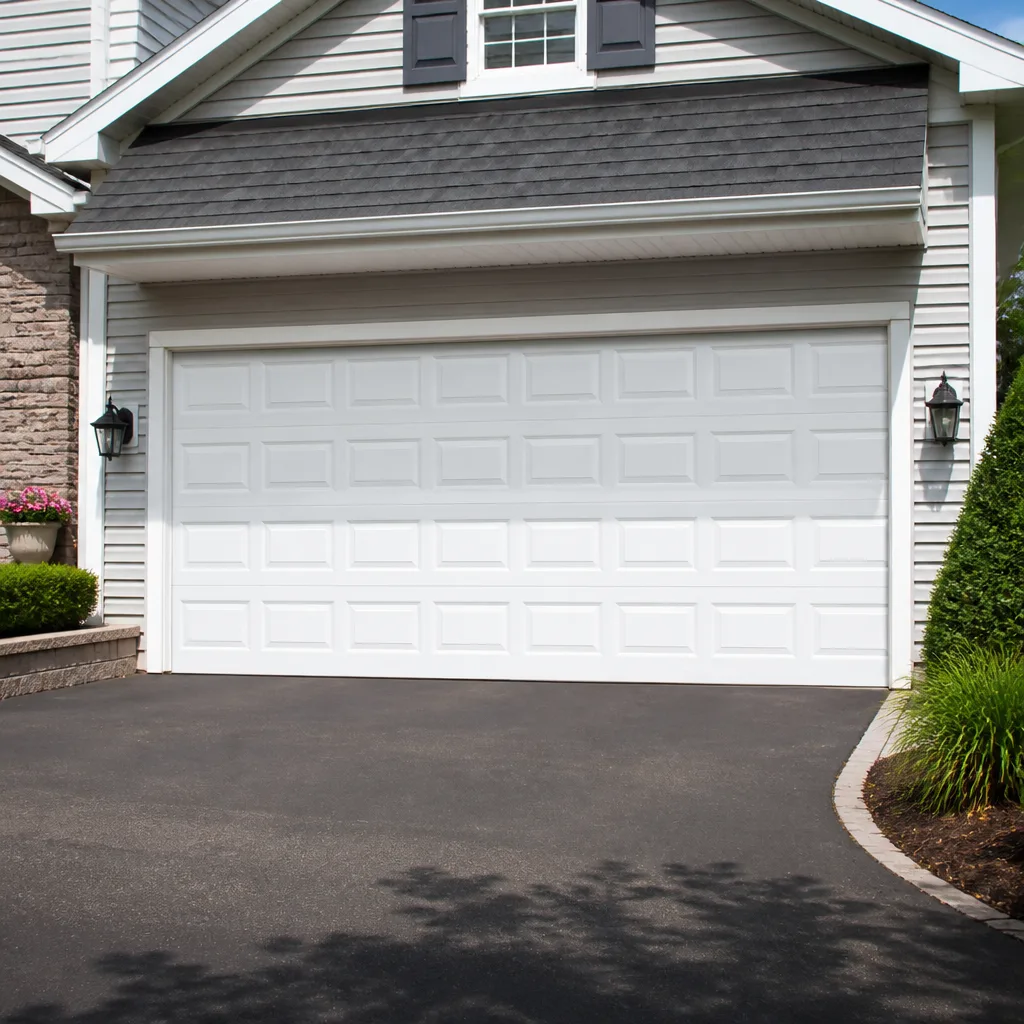 Raised-panel steel
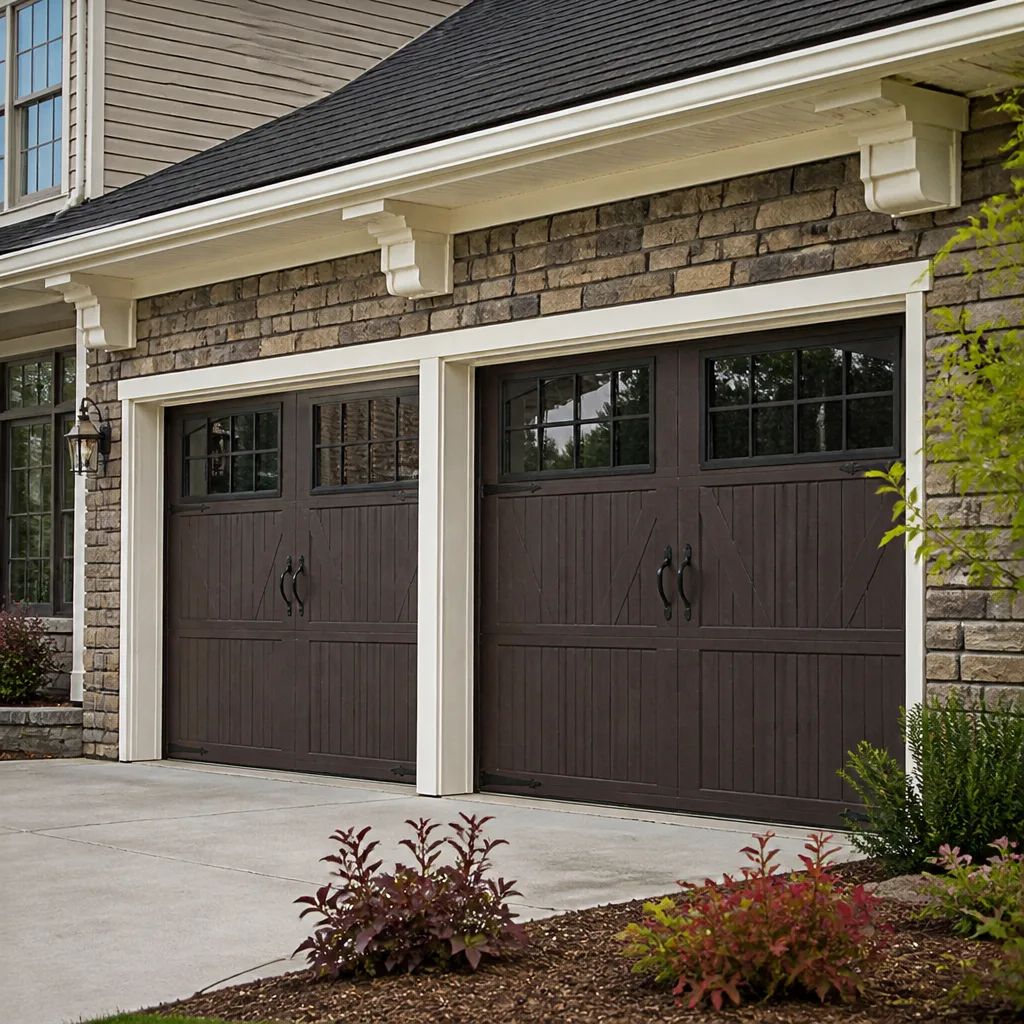 Carriage house
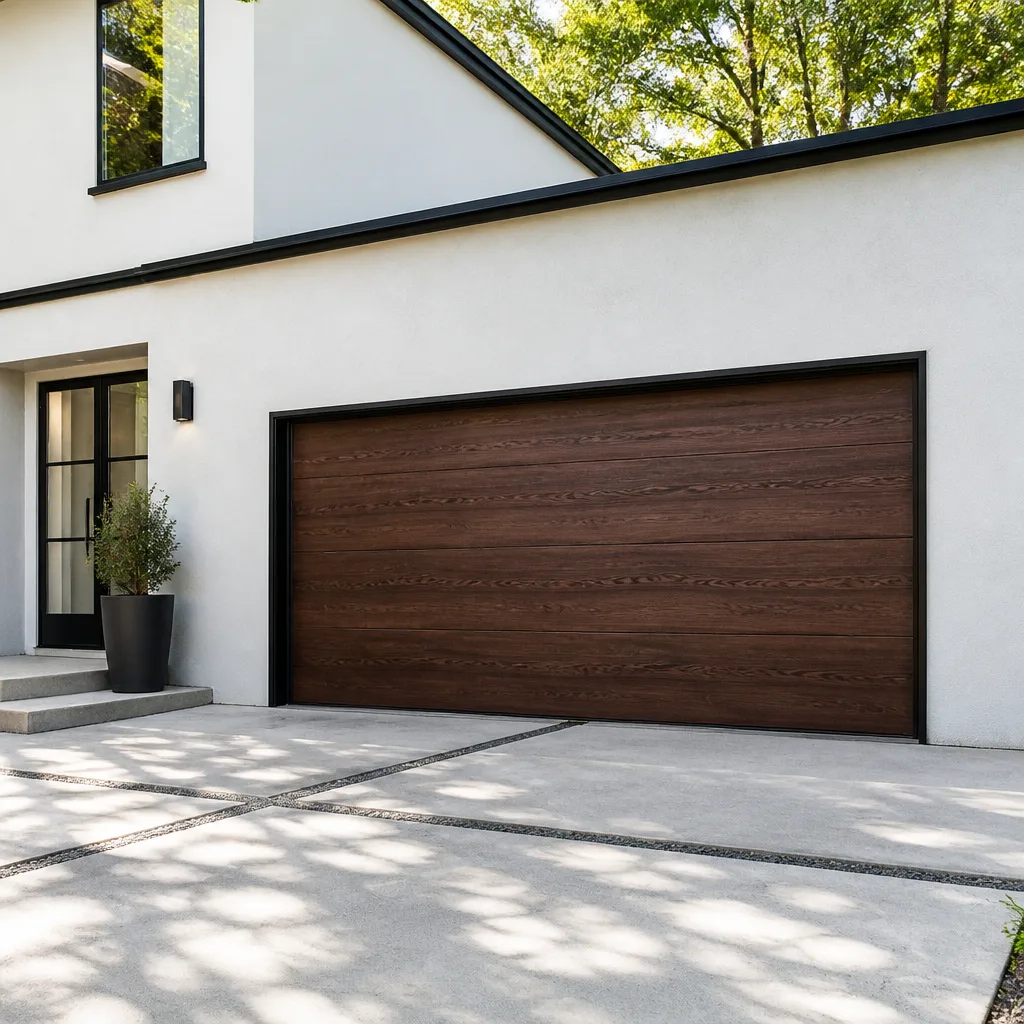 Modern flush
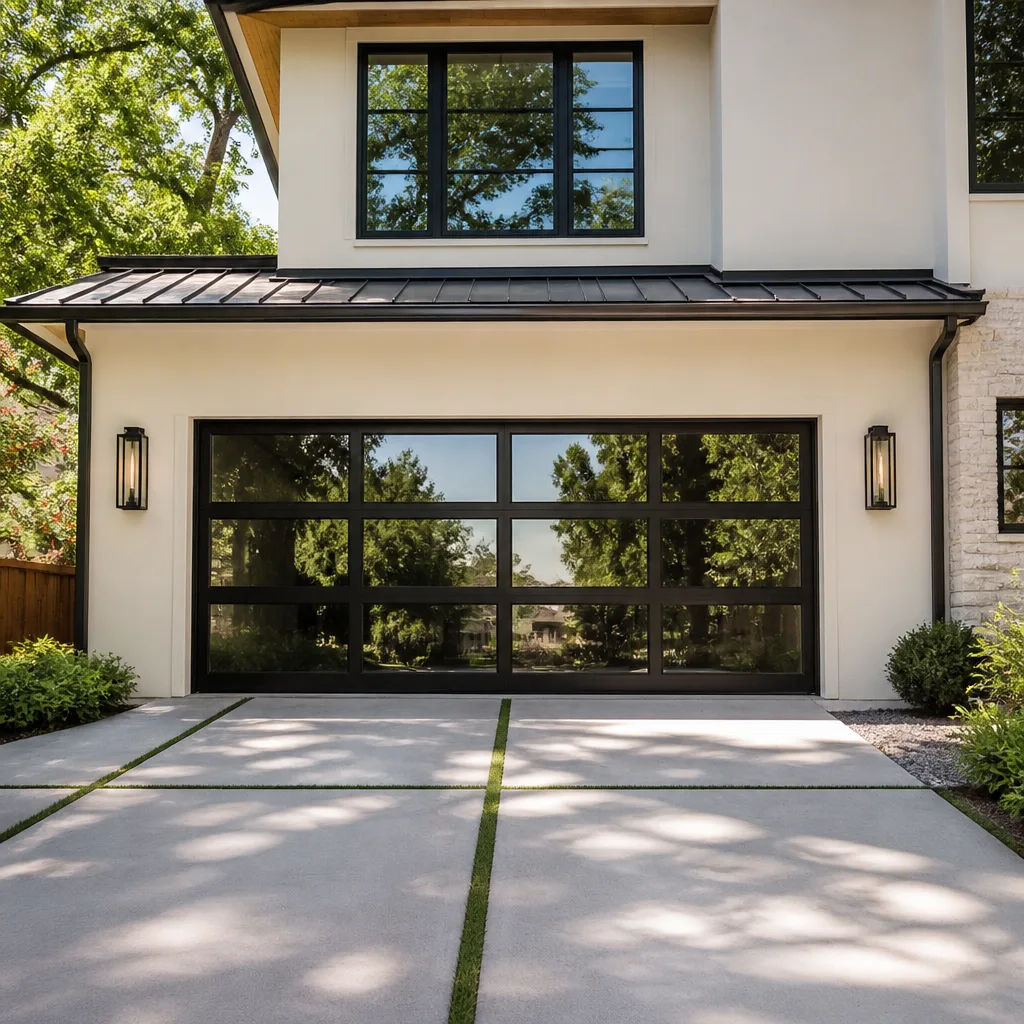 Full-view glass
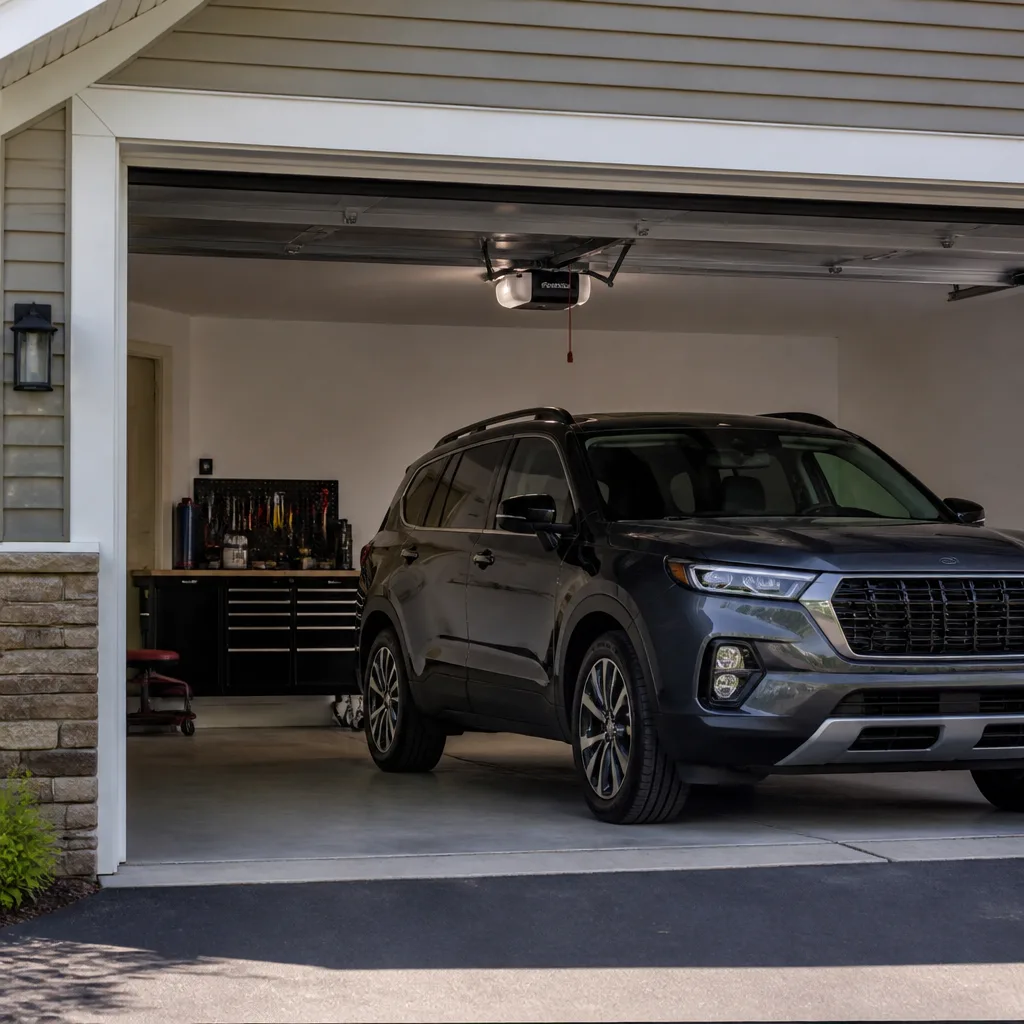 LiftMaster openers
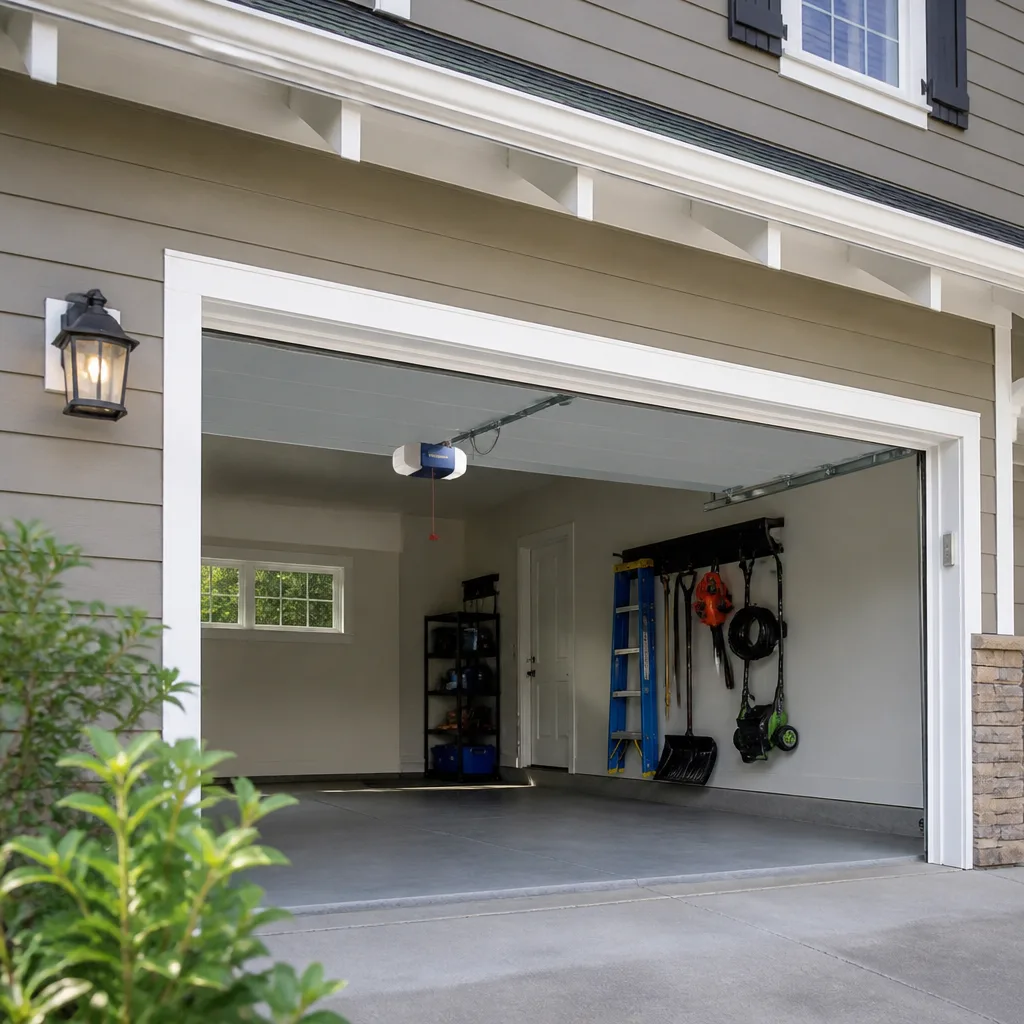 Chamberlain openers
Full 25-point door and opener safety check with every visit - springs, cables, rollers, tracks, and your LiftMaster or Chamberlain opener included
You get a price before we start. It does not change when the pro arrives.
Get your free estimateGarage Door Repair Troubleshooting in Beaumont: Common Problems and How to Fix Them
A garage door makes seven distinct sounds when something is wrong, and each one points to a different part. If you’ve ever described yours as “just acting up,” you’ve already lost half the diagnostic battle. Most homeowners in Beaumont chase the symptom – a loud bang, a door that moves slowly, a gap at the bottom – instead of tracing it back to the component that actually failed. That’s the difference between a vague repair estimate and a precise one. This guide teaches you to read what your door is telling you, separate the handful of fixes you can safely handle yourself from the three that need a trained technician, and describe your problem accurately before you call. It’s written for Beaumont homeowners who want to understand their door before they spend money on it.
Quick Answer
Most garage door problems in Beaumont trace back to five components: springs, cables, rollers, tracks, and the opener or its safety sensors. You can safely handle sensor alignment, remote batteries, and the manual release yourself. Broken springs, snapped cables, and bent or separated tracks should only be handled by a trained technician because of the stored tension involved. The more precisely you describe the symptom before calling, the more accurate your quote will be.
Styles & brands we work with
- Raised-panel steel
- Carriage house
- Modern flush
- Full-view glass
- LiftMaster openers
- Chamberlain openers
Table of Contents
- The Symptom-to-Cause Matrix: What Your Door Is Telling You
- How Beaumont’s Climate Affects Garage Doors
- What You Can Safely Fix Yourself
- The Three Repairs That Always Need a Technician
- Visual Inspection Checklist: Most to Least Common Failure Points
- Why Your Door Reverses Before Closing
- How to Describe Your Problem Before You Call
- Reading the Seven Sounds of a Failing Door
The Symptom-to-Cause Matrix: What Your Door Is Telling You
A symptom is not a diagnosis. “The door won’t close” could mean a misaligned safety sensor, a bent track, a failing limit switch in the opener, or a jammed roller. Before you call anyone, match what you’re observing to what it usually means. This matrix covers the failures Beaumont homeowners report most often. Note the difference between the symptom and the mechanical cause; that gap is where accuracy happens.
| Symptom | Most Likely Cause | Safe to Check Yourself? |
|---|---|---|
| Door reverses before closing | Misaligned or dirty safety sensor, or an obstruction | Yes |
| Loud bang, door won’t lift | Broken torsion or extension spring | No |
| Door opens a few inches then stops | Broken spring, or opener limiter set wrong | Check the spring visually |
| Door is crooked or uneven | One spring broken on a pair, or a snapped cable | No |
| Door won’t move at all, not even by hand | Opener dead, or emergency release pulled | Check the release first |
| Grinding or scraping while moving | Dry or worn rollers, track misalignment | Inspect visually, don’t adjust |
| Gap along the bottom or side | Damaged weather seal or track out of plumb | Inspect seal |
| Opener runs but door doesn’t move | Broken cable, stripped gear, or released trolley | No |
If your symptom isn’t on this list, the garage door repair service page covers less common failure patterns. What matters most is that you observe carefully before picking up the phone. “The door reverses” gives a technician nothing to prepare for. “The door reverses at exactly six inches above the floor, and it started after our humid week” gives them a direction.
How Beaumont’s Climate Affects Garage Doors
Beaumont’s humidity and summer heat put unusual pressure on garage door hardware that national troubleshooting guides almost never address. Two specific failure patterns stand out. First, humidity swells wood door frames and expands metal track fasteners enough to shift alignment by fractions of an inch. Those fractions matter: a track that’s half a centimeter out of plumb can cause your rollers to bind and your safety sensors to drift out of alignment. Second, the heat across southeast Texas causes the metal in your door’s panels to expand and contract slightly throughout the day, and that movement affects how your torsion springs sit. A door that opens cleanly in the morning may grumble by mid-afternoon. It’s not your imagination – it’s physics.
Humidity also attacks the non-hardware components: weather seals along the bottom begin to warp and fail first, letting Bayou humidity into the opener housing. Rollers take on moisture and start squealing before they’re actually worn. The sensor lenses fog, causing intermittent reversals. These are slow failures, which is why they’re so often misdiagnosed as “the opener is broken.” In Beaumont, a door that fails in the middle of August is more often a victim of accumulated heat and humidity damage than a real mechanical break.
What this means practically: your maintenance cycle is shorter than a homeowner in a dry climate would expect. If you haven’t had a door inspected in a couple of years, you may already be running on borrowed time regardless of whether you notice a problem. If you’re on your second opener in a decade, ask a technician to trace whether the climate is accelerating wear or whether something else is at fault. Our technicians have up to 9 years of experience working in the Gulf Coast environment and will know what to check first.
What You Can Safely Fix Yourself
Some fixes are genuinely safe and worth doing yourself. The boundary is whether the fix requires you to de-tension any part of the door’s counterbalance system. Anything below is fine for a reasonably capable homeowner. Here are the five fixes that fall clearly into that category:
- Aligning the safety sensors. The two sensors on either side of the door near the floor must face each other at the same height. A small alignment error will cause your door to reverse mid-close. Check that nothing is blocking the beam and that the small LED on each sensor is lit. Occasionally wipe the lenses – important in Beaumont’s humid season.
- Replacing the remote battery. If your remote stops working but the wall-mounted control still does, it’s almost always the battery. A fresh CR2032 or equivalent usually fixes it. If the remote still fails, it may need re-pairing to the opener, which is in the manual.
- Engaging the manual release. If the opener is dead or the door is stuck, the manual release cord (usually red, hanging from the trolley) disconnects the opener from the door so you can lift it by hand. Only do this when the door is fully closed and you are confident in its balance.
- Clearing the photo-eye beams. Cobwebs, fallen leaves, and sometimes even a small insect between the sensors will trip the reversal. It’s the single most common cause of a “spontaneously reversing” door. A quick visual check catches it most times.
- Inspecting and replacing weather seals. The rubber seal along the bottom can tear or warp. If it’s visibly damaged, replacement is straightforward and safe.
If your fix doesn’t clear the problem on the first attempt, stop – don’t keep adjusting things. A misaligned sensor that you keep tweaking can end up worse. And if at any point you notice a broken spring or a cable hanging slack, stop entirely. Those aren’t DIY repairs.
The Three Repairs That Always Need a Technician
Three repairs should never be attempted by a homeowner, no matter how capable you are. Each involves stored mechanical energy or a safety system you should never defeat:
- Broken torsion or extension springs. A garage door spring holds hundreds of pounds of tension. If it snaps under load it can cause serious injury. Never attempt to remove or replace a spring yourself. If you hear a loud bang and your door won’t lift, the spring has failed; leave the door alone and call a technician.
- Snapped or slack cables. Cables work with springs to lift the door. A cable that has snapped and is whipping around is dangerous – don’t touch it, and don’t try to lower or raise the door until a technician is there.
- Bent or separated tracks. Track alignment looks simple but a misaligned track under door weight can cause a panel to fall, or the roller to come off and bind. The repair must also verify that the underlying cause (often a damaged roller that started it) is resolved.
The safety caveat here isn’t scare-mongering – it’s that these components store and release a lot of energy. A trained technician uses the right tools and has the experience to work with that energy safely. Our Beaumont team has diagnosed these failures across the widely installed brands – LiftMaster, Chamberlain, Genie, Craftsman – and knows the difference between what each manufacturer specifies for spring tension and cable routing versus what an improvised substitute might allow. If you’d prefer to keep this work in one place, Lantern Garage Door Repair handles repair, opener service, and installation, so a spring repair doesn’t become a spring repair plus a separate door replacement.
Visual Inspection Checklist: Most to Least Common Failure Points
If you want to understand your door’s condition before something fails, walk through this checklist in order. It’s organized from the most common failure points in Beaumont’s climate to the least:
- Springs. Look at the torsion bar above the door, or the extension springs along the sides. Any visible gap in a coil, or a spring that has visibly separated, is a failure. Don’t test it by lifting.
- Cables. Run your eye from the bottom corners up the sides. A slack cable, one that’s jumped its drum, or one that’s chewed through the guide is a problem. Don’t touch it.
- Rollers. Rollers should roll freely and look round, not flat-spotted. In Beaumont’s humidity they can also rust or squeal before they’re worn.
- Track alignment. Stand back and look at the tracks. They should be parallel and plumb. If one side has shifted – even slightly – that will show up as binding or a scraping noise.
- Safety sensors. Both sensors must be aimed squarely at each other from the same height. A small LED on each should be steadily lit. Monthly check is reasonable in the humid season.
- Weather seal. Look along the bottom edge. Warped, cracked, or torn rubber lets moisture reach the opener housing. This is your first line of defense.
- Opener and its connections. Check that the power cord is firmly plugged in and the manual release is engaged fully (not halfway). If the opener is making grinding noises, it’s likely a stripped gear – a technician-level repair.
If any item above fails your visual check, don’t proceed to testing. Note what you see and call. For a deeper walk-through of what the technician will do on a service call, the garage door opener repair page covers diagnostic steps.
Why Your Door Reverses Before Closing
A door that reverses before closing is almost never actually a problem with the door closing mechanism itself. It’s almost always one of the two safety systems doing its job correctly:
- Photo-eye sensor blockage or misalignment. This is the most common cause by a wide margin. Something is interrupting the beam between the two sensors at the base of the door. A cobweb, a fallen leaf, a bag of potting soil, or a slight misalignment of the sensor itself. If your door closes fully when you hold the wall control, but reverses on its own, the photo-eye is almost certainly the culprit.
- Force-limit setting. The opener also has a force-sensitivity setting. If the door meets resistance (a misaligned track, a bent roller, an obstruction), the opener’s force limit identifies that resistance and reverses. A door that’s slightly out of alignment can produce this.
- Obstruction in the track. A piece of debris, a broken roller, or a loose bolt can cause the door to jam before fully closing. In severe cases this can look like an intermittent reverse.
What most homeowners assume: the door is “broken” or the opener needs replacing. What’s often actually happening: the safety system is preventing a jammed door from doing damage. In our experience, the fix is usually sensor alignment or obstruction removal, not a new opener. Check the photo-eyes first, and if that doesn’t solve it, call for an inspection to check for force-limit or track issues.
How to Describe Your Problem Before You Call
The quality of your quote depends on the quality of your description. A vague description gets you a wide estimate range. A precise description gets you a quote you can budget against. Here’s the information a technician needs to prepare and quote accurately:
- The exact symptom and when it started. “The door won’t open at all, and it started after a loud bang yesterday” is precise. “It’s broken” is not.
- What the door looks like. If the door is hanging by one side, that’s a snapped spring or cable. If it’s at the bottom, it’s still fully closed but the opener isn’t engaging. Say which.
- What you’ve already checked. Confirm whether you’ve checked the safety sensor LEDs, whether the wall control still works, whether the manual release is engaged. This saves diagnostic time and helps the technician skip steps.
- The brand and model. If you can see the opener’s label or you know the door’s brand from the installer’s sticker, mention it. Knowing whether it’s a LiftMaster, Chamberlain, or Genie system means the right parts are on hand. For doors, the brand might be on a label inside the jamb or visible on the panel edge – Amarr, Wayne Dalton, Craftsman, and Raynor are commonly installed in the area.
- What you were doing when it failed. Did the door fail mid-open, mid-close, or when it was already fully closed overnight? That timing narrows the cause significantly.
With a precise description, you should get a firm quote rather than a broad range. We can also tell you the price before any work starts; the estimate we quote is what we charge, and our written estimate sets the final number. If you’re ready to describe what you’re seeing, call (833) 549-9776. We answer 24/7.
Reading the Seven Sounds of a Failing Door
Garage doors don’t just stop working; they announce their failure over days or weeks through sound. Learning to distinguish them is one of the most useful skills a homeowner can develop. Here are seven sounds and what each one usually means:
- A loud bang, like a gunshot. That’s a torsion spring snapping. It’s a sudden failure, not a progression. Don’t attempt to lift the door; call for repair.
- Grinding metal on metal. Worn rollers or dry torsion bar hardware. Occasionally a failing opener gear. Usually needs a technician for the gear or the rollers.
- Squealing or high-pitched whistling. Dry rollers or hinges. Sometimes a sign of track binding. Lubrication might help temporarily, but persistent squeal means something is under stress.
- Rattling or clanking when operating. Loose hardware, worn rollers, or a door out of track alignment. Worth a visual check; not usually urgent but accelerates wear.
- Thumping or hammering. A loose torsion bar or a loose spring drum. Can be serious – call for inspection.
- Buzzing from the opener unit itself. Usually indicates a capacitor, relay, or control board issue. The door may still work temporarily; the opener is on its way out.
- A faint click but nothing else. The safety sensor is likely misaligned or an obstruction is blocking the beam. It’s the simplest of the seven: check the photo-eyes before assuming an opener replacement.
None of this is guesswork once you know what each sound points to. If you hear a sound you can’t place – or if the door has started making a different sound than usual – describe it to the technician when you call. Our technicians will walk you through exactly what failed and what it takes to fix it before they start work.
Common Mistakes to Avoid
- Trying to force a door with a broken spring. If the door won’t lift cleanly, the spring has likely failed. Continuing to run the opener bends the door panels and stresses the opener.
- Adjusting the safety sensors by eyesight alone. The sensors need to be perfectly level and aimed at each other. A full adjustment requires placing a level on the sensor bracket, not just eyeballing it. In Beaumont’s humidity the problem is often dust and warped mounts rather than alignment.
- Ignoring a slow starting door. If the door hesitates on opening, that’s usually a tired spring or a failing opener. It’s typically a preview of a bigger failure two weeks down the road.
- Calling a generalist contractor. A handyman may get the door working temporarily. They rarely diagnose the underlying cause (often a spring, track, or opener issue), which usually comes back. Specialists diagnose the problem the first time.
- Not matching the part to the system. Over-the-counter springs, rollers, or gears are tempting. On a LiftMaster or Chamberlain opener, an improvised substitute can fail prematurely or fail to meet manufacturer specification. Pairing the correct part matters for how long the repair lasts.
- Pooling the humidity problem on your own. Beaumont’s climate makes the maintenance cycle shorter than you might expect. A homeowner in a dry climate can go years without a door checkup; a Beaumont homeowner should be more attentive to seals, rollers, and tracks.
- Buying a new opener when the door’s mechanism is the problem. Sometimes it’s the spring, not the opener. Diagnosing properly saves money.
See the difference
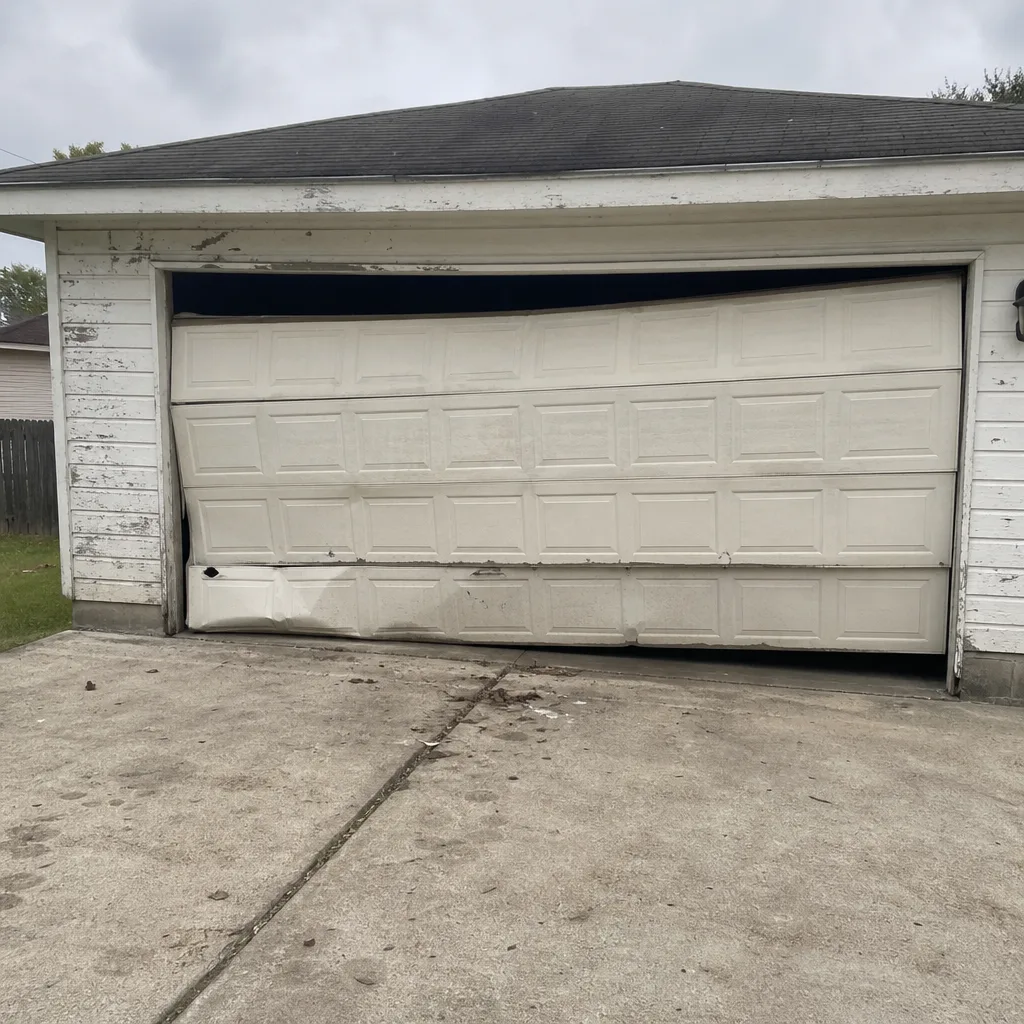 Before
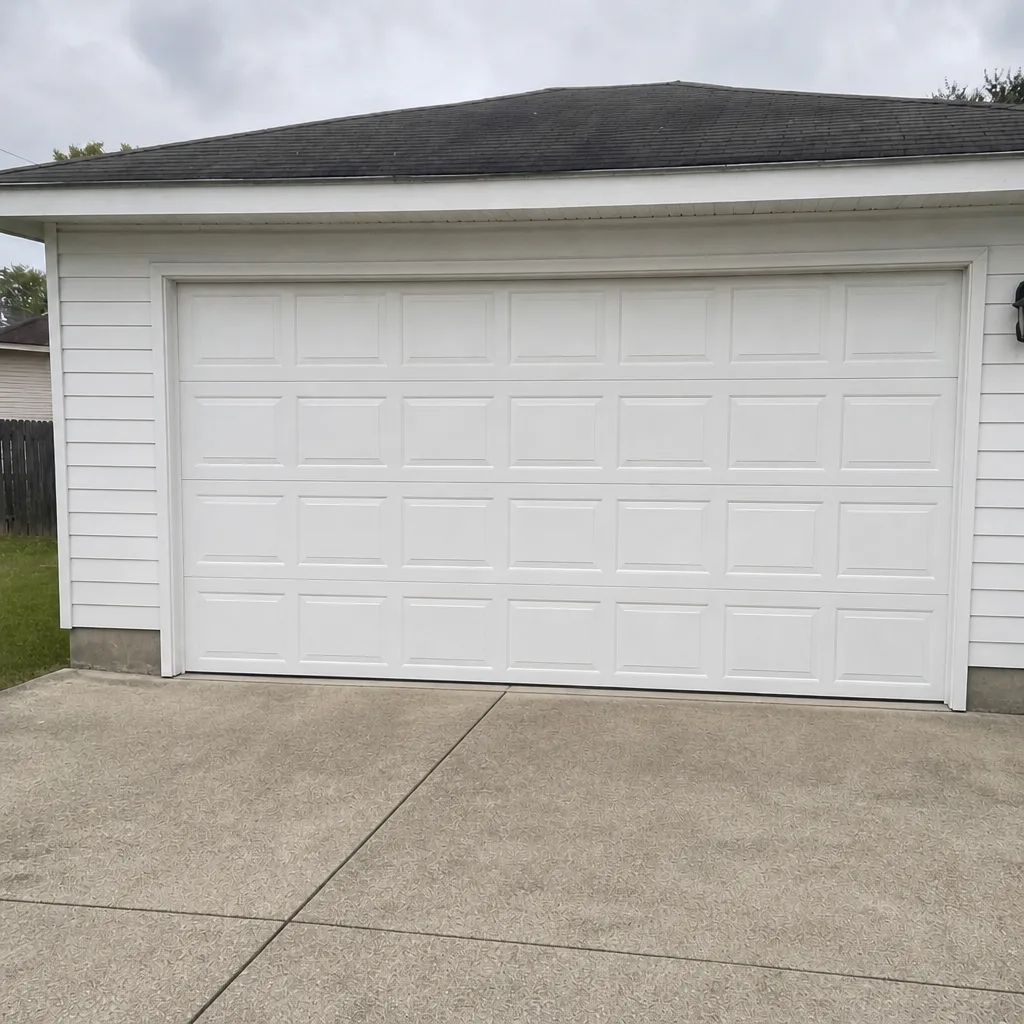 After
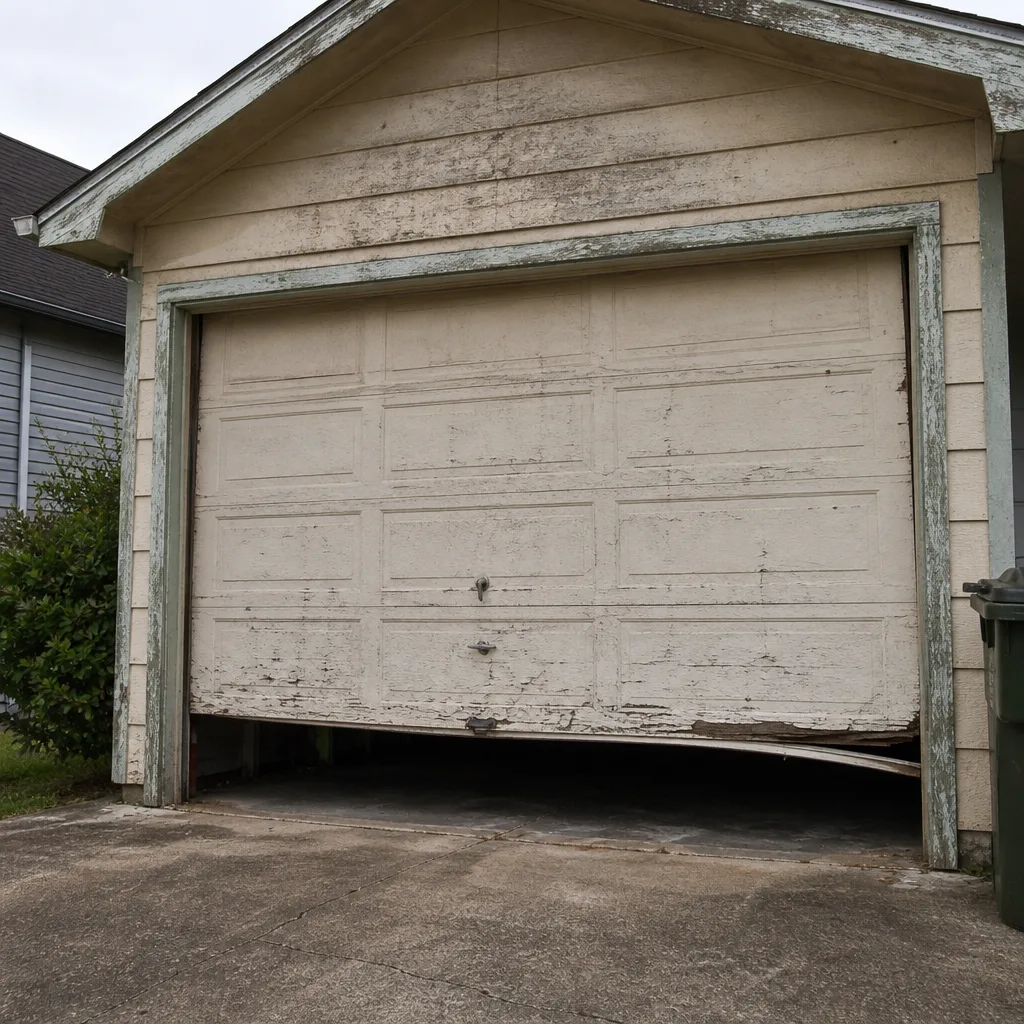 Before
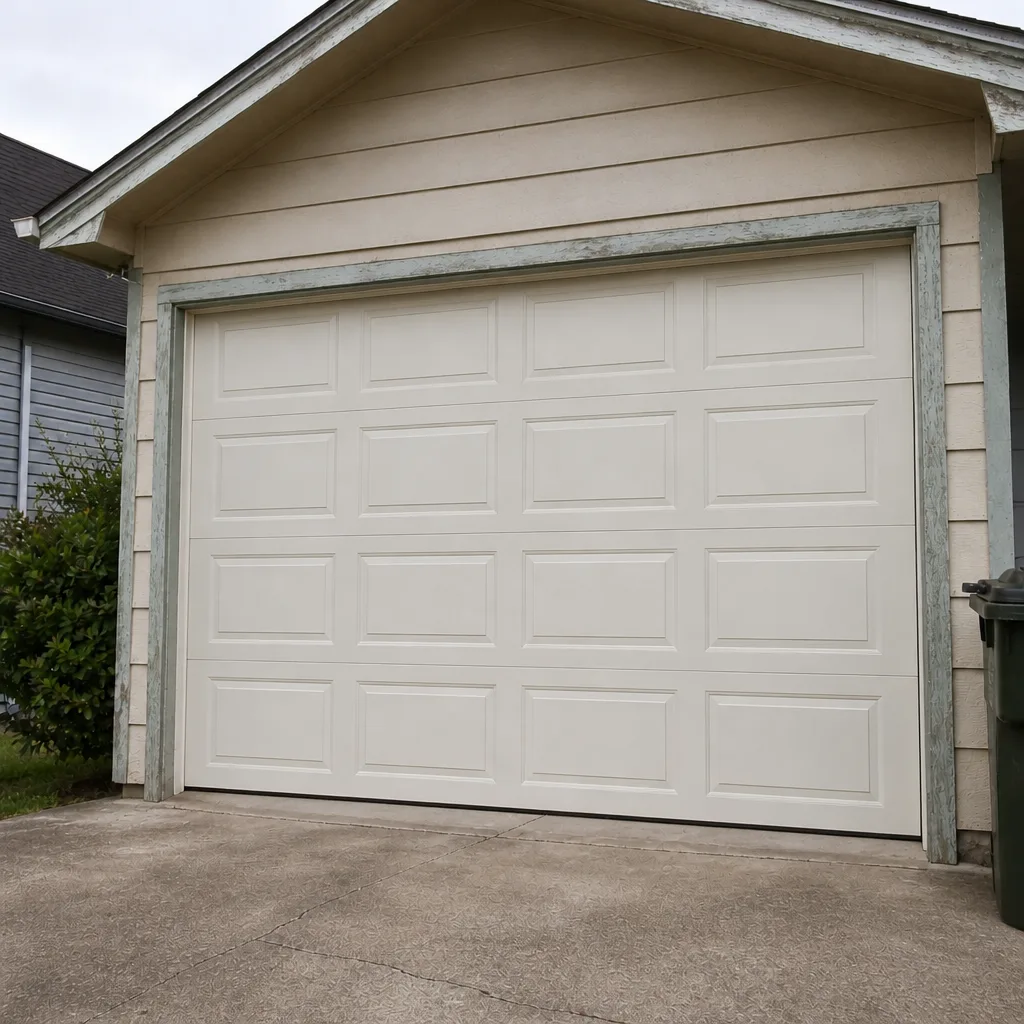 After
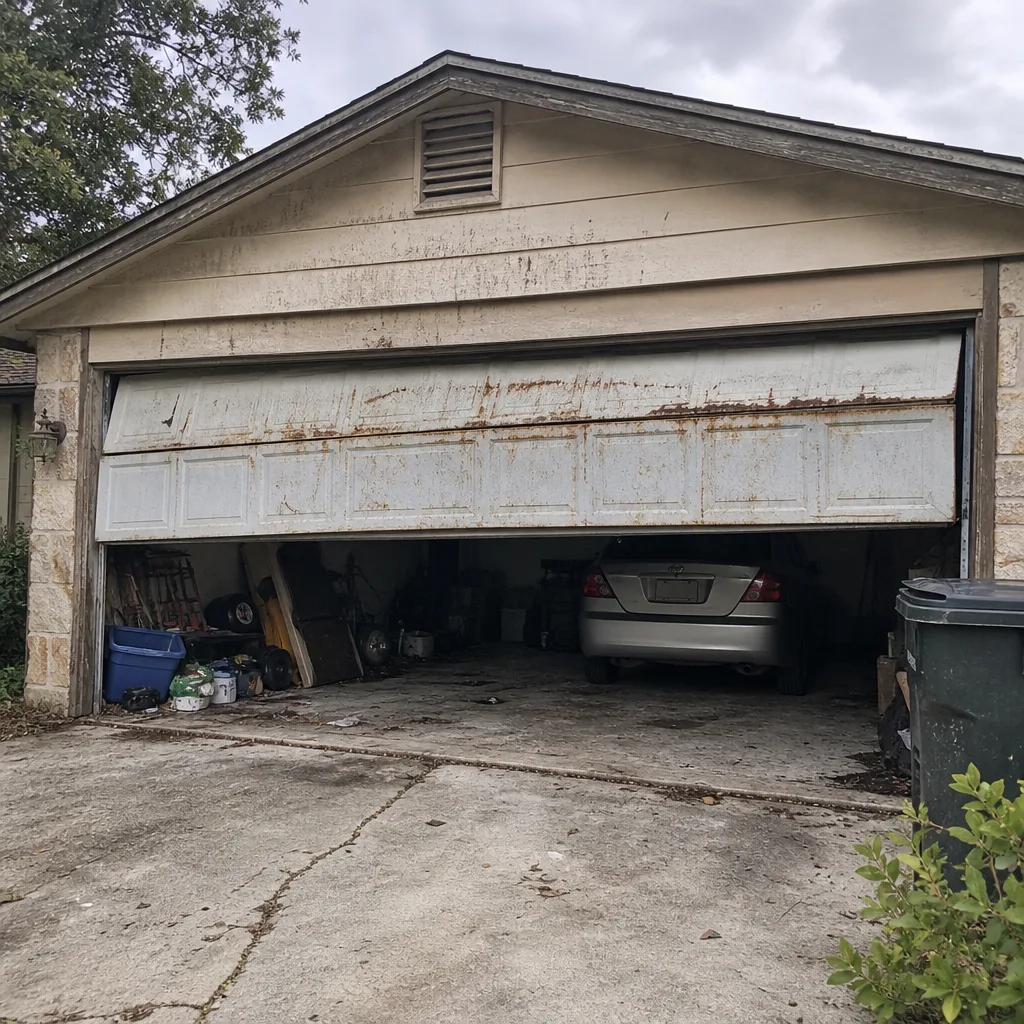 Before
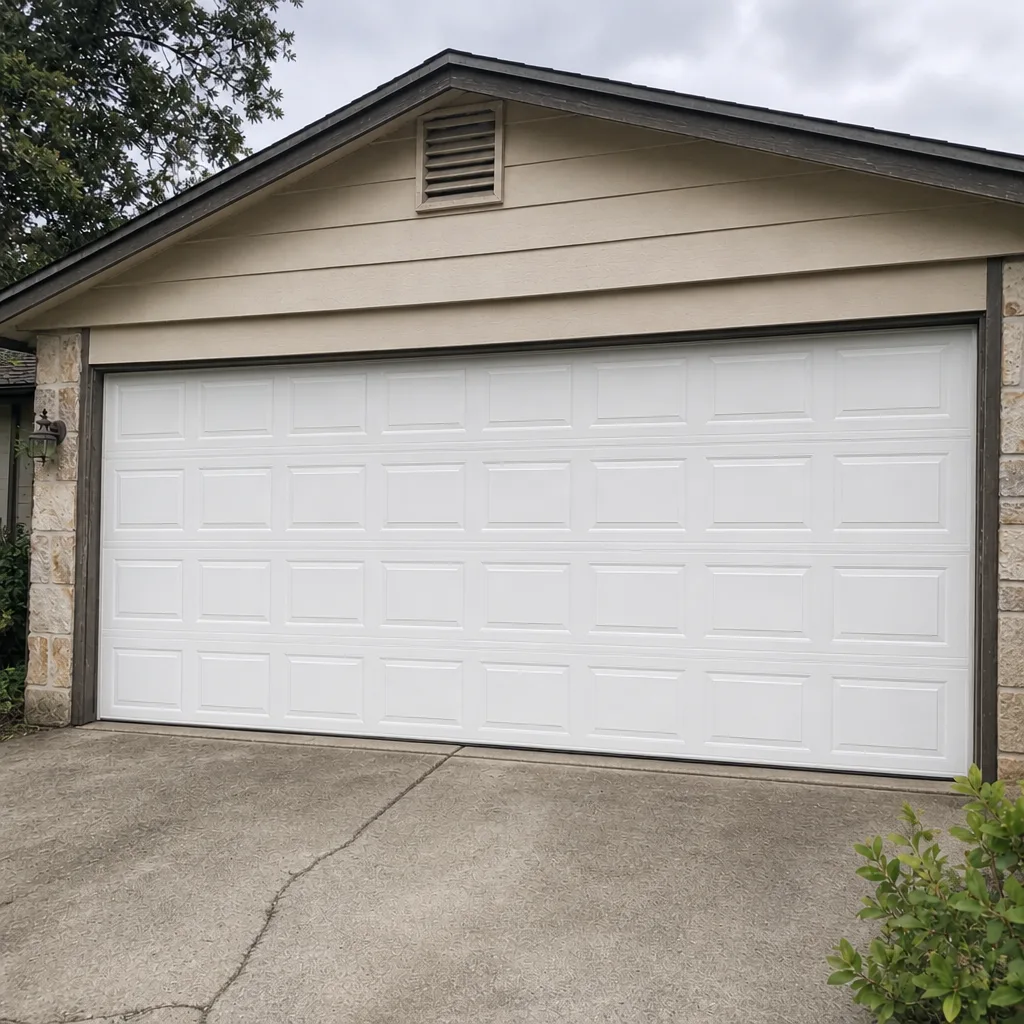 After
When to Call a Professional
You should call a technician the moment any of these are true: you see a gap in a spring coil, a cable has snapped or is slack, the door is hanging crooked, or the opener is grinding and the door won’t lift by hand. Call immediately if the door has fallen off its tracks or if any component looks bent under load – the danger is real. For everything else, a call is worthwhile if you’ve tried the basic fixes (sensor alignment, remote battery, photo-eye clearing) and the problem persists. Lantern Garage Door Repair offers free estimates in Beaumont, call (833) 549-9776. We answer 24/7. Fast dispatch from 7am to 7pm, Sunday through Friday.
Frequently Asked Questions
Repair costs in Beaumont vary by what failed and what parts are needed. A sensor alignment or weather seal fix is the lowest end of the range. A broken spring, cable replacement, or track adjustment sits in the middle. A full opener replacement or panel replacement is typically the higher end. Because humidity here causes more frequent weather seal and roller repairs than in dry climates, door maintenance in Beaumont runs a different pattern. Call (833) 549-9776 for an exact quote, estimates are free.
Same-day repair is often possible for common failures like broken springs, snapped cables, and dead openers. The technician needs the symptom details first to know what parts to prepare. Call with your description and we can tell you the earliest available window. Call (833) 549-9776. We answer 24/7. Fast dispatch from 7am to 7pm, Sunday through Friday.
No, not if the diagnosis matches the description you gave on the phone. If the technician finds a different underlying cause, we explain the new problem and the new quote before any work starts. The written estimate sets the final price, and nothing is done without your approval.
Our technicians are experienced and state-licensed. We’re insured and bonded. We service LiftMaster, Chamberlain, Genie, Clopay, Amarr, Wayne Dalton, Craftsman, and Raynor systems, so the parts we order match manufacturer specification for your system rather than substituting a generic part. Call (833) 549-9776 for an exact quote, estimates are free.
A door that reverses at the same spot every time usually indicates a force-limit issue or a physical obstruction in that spot. Check the photo-eye sensors first. If they’re clean and aligned and the door still reverses at the same point every time, the opener’s force-sensitivity setting may need adjustment or there may be a bent roller or track binding at that height. That’s a technician call. Call (833) 549-9776 for an inspection.
Usually just a repair. Opener failure often turns out to be a failed part (capacitor, relay, or gear) rather than the whole unit, and if the door itself is failing, the opener isn’t the problem at all. A diagnostic visit can confirm which. Call (833) 549-9776 for an exact quote, estimates are free.
The Bottom Line
Most garage door problems in Beaumont are diagnosable by observing the symptom before you pick up the phone. A loud bang is a spring, a repeated reverse is a photo-eye sensor, a grinding noise is a roller or an opener gear, and a door that hesitates on opening is a failing spring. The three components you should never touch yourself are the springs, cables, and tracks – everything else can be safely checked by a careful homeowner. The more precisely you describe what you’re hearing and seeing, the more accurate your quote will be. If you’re in doubt, in the middle of a failure, or planning a repair you’re not sure about, that’s when to call: Lantern Garage Door Repair offers free estimates in Beaumont, call (833) 549-9776. We answer 24/7. Fast dispatch from 7am to 7pm, Sunday through Friday.
Written by the team at Lantern Garage Door Repair.