
Last updated November 14, 2026
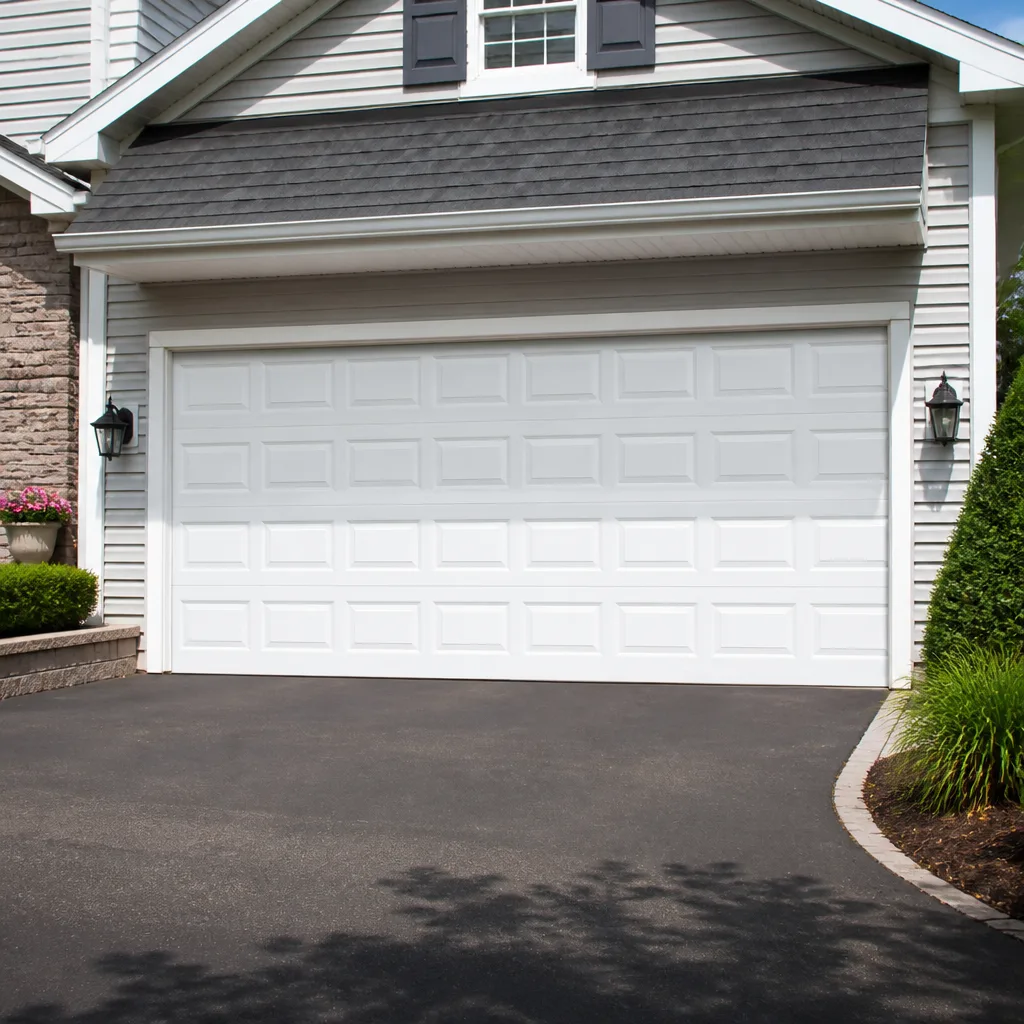 Raised-panel steel
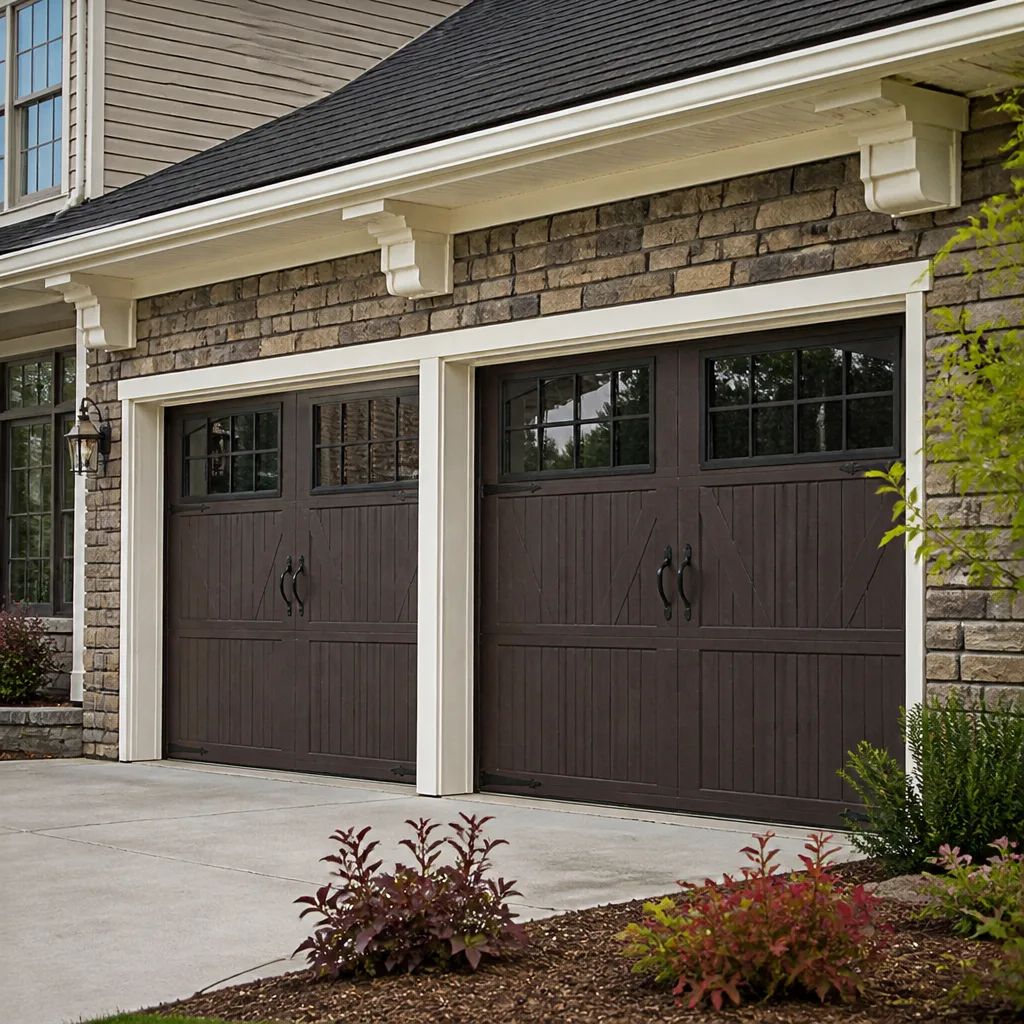 Carriage house
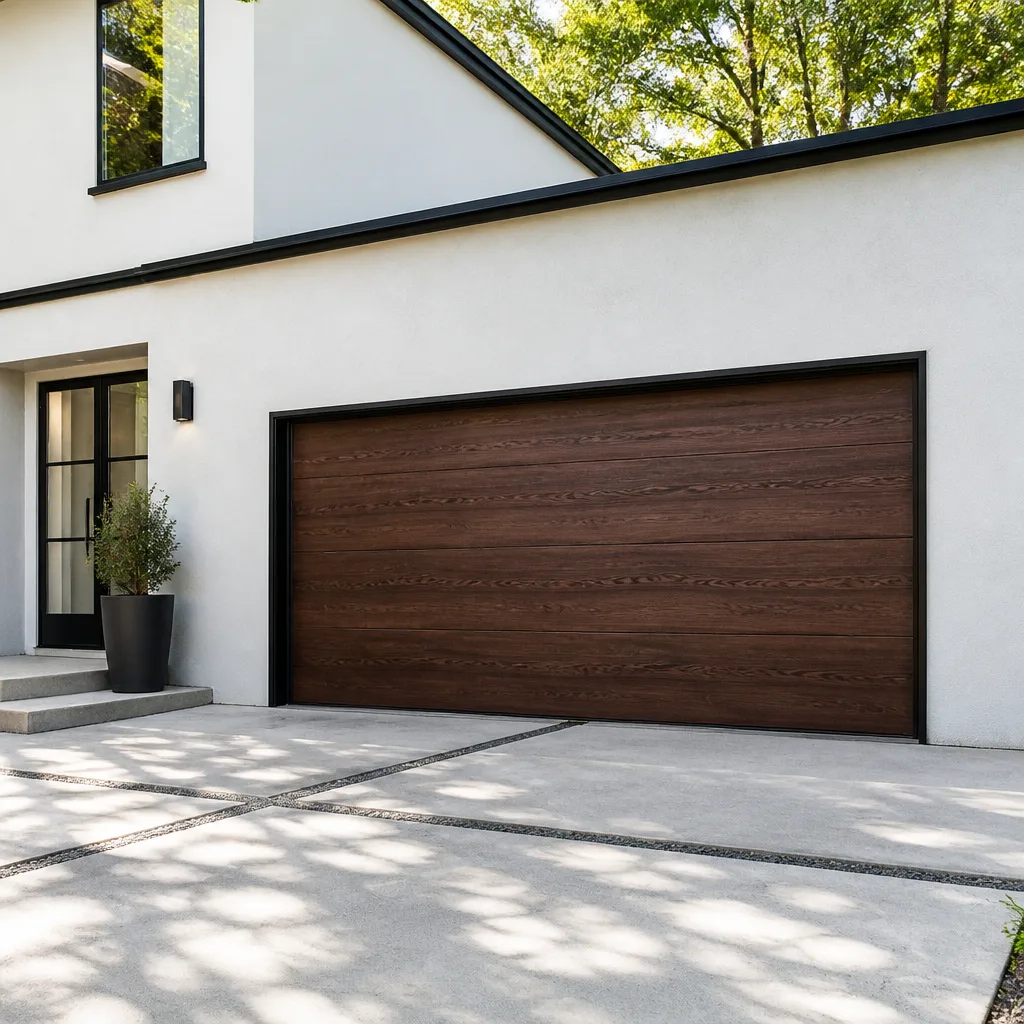 Modern flush
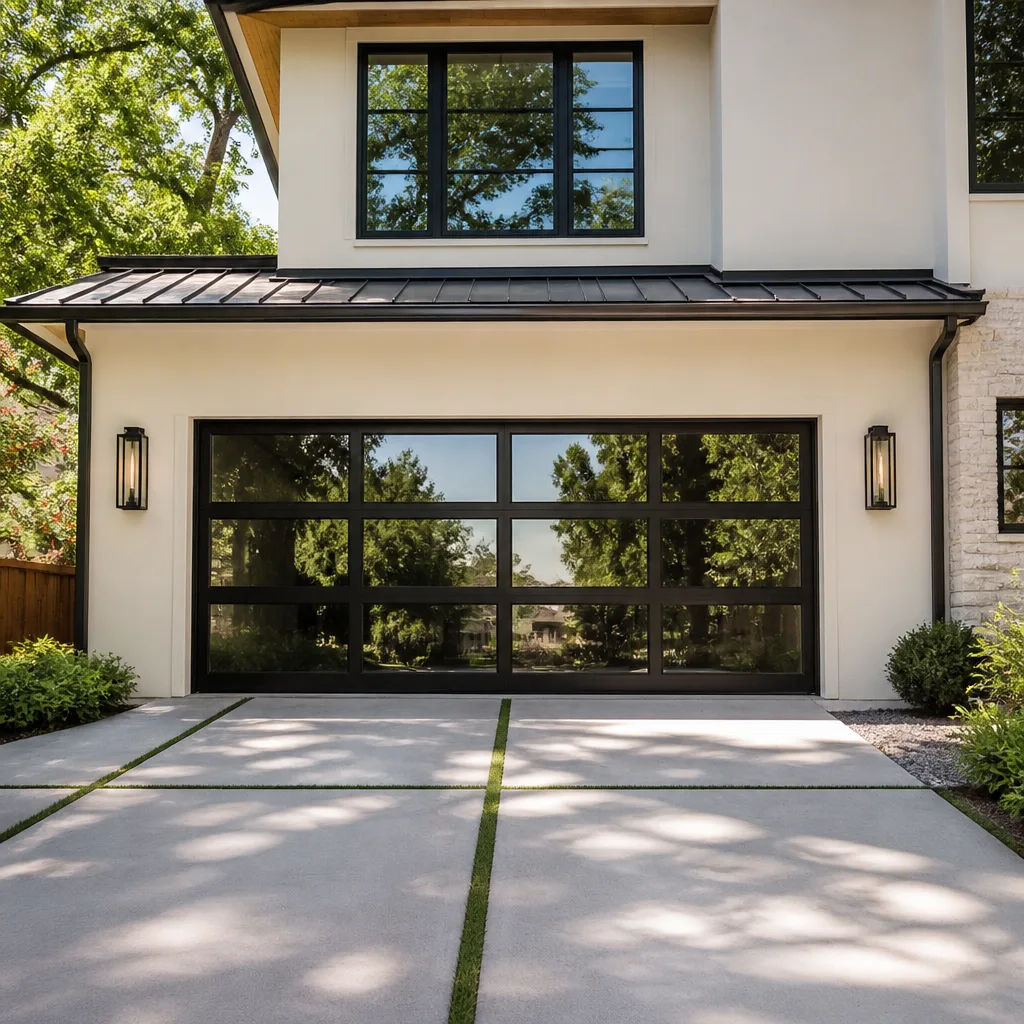 Full-view glass
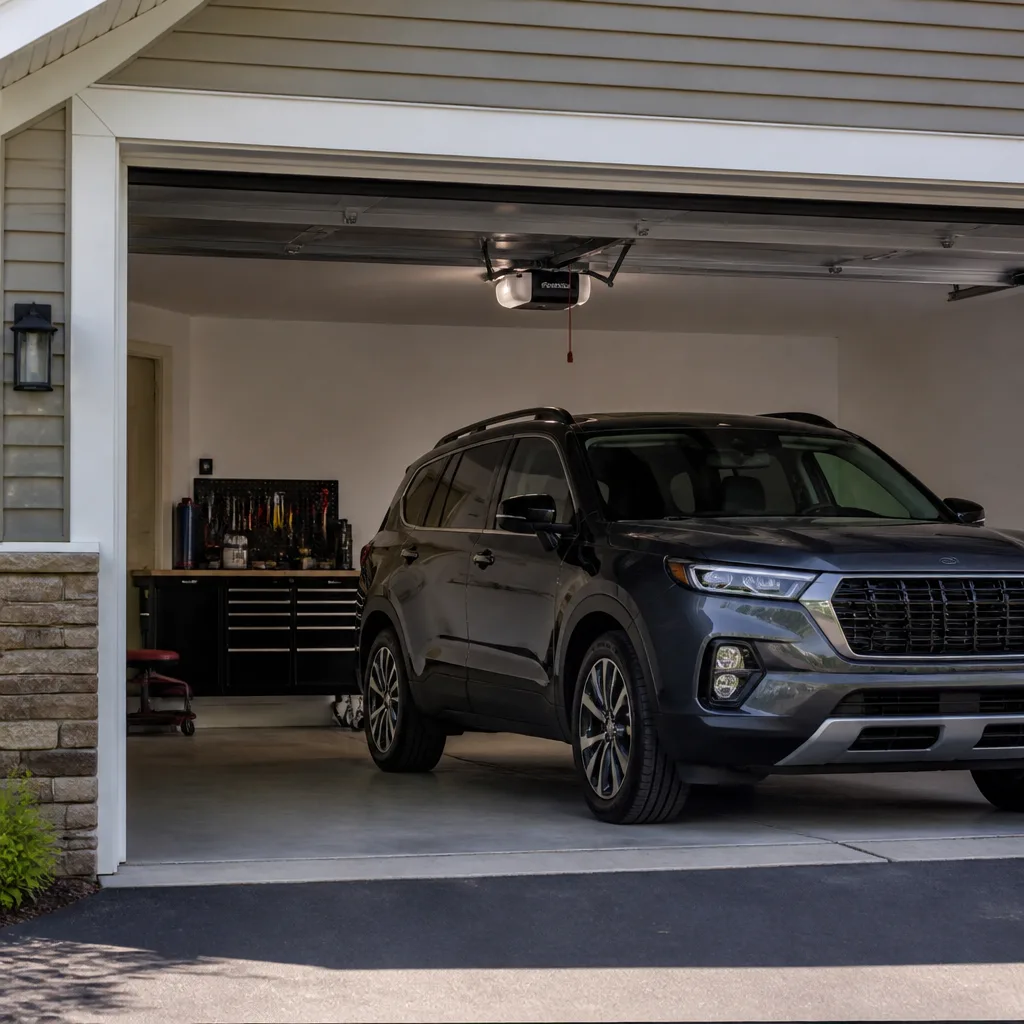 LiftMaster openers
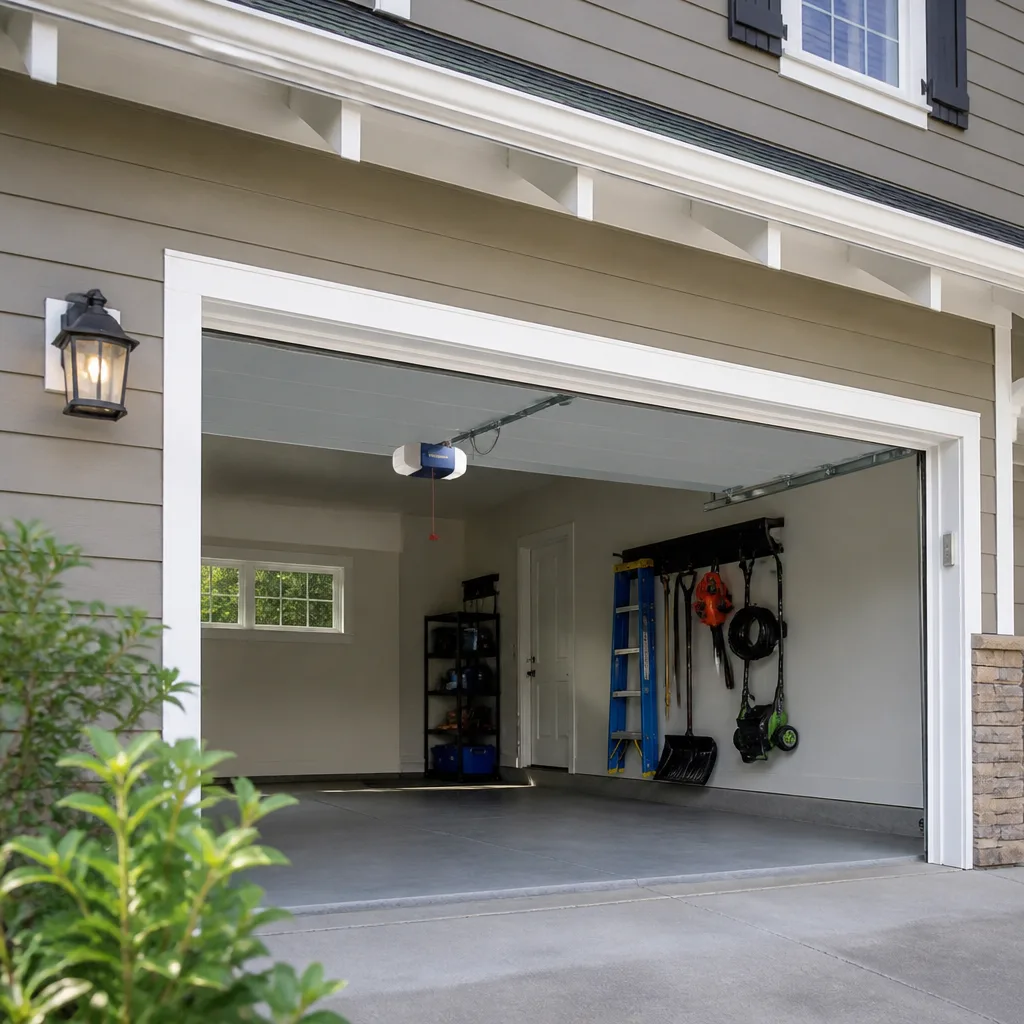 Chamberlain openers
Full 25-point door and opener safety check with every visit - springs, cables, rollers, tracks, and your LiftMaster or Chamberlain opener included
You get a price before we start. It does not change when the pro arrives.
Get your free estimateGarage Door Warning Signs: A Beaumont Homeowner’s Reference Guide
A garage door that hesitates for two seconds before moving in the summer heat is a different problem than the same hesitation in December. And treating them the same way is how small repairs turn into full replacements. Most homeowners in Beaumont assume a slow, noisy, or slightly crooked door is just part of an aging house. It usually isn’t. The door is telling you something specific about a spring, a cable, a roller, or a board inside the opener. This guide walks through the warning signs we see most often in Beaumont, what each one actually points to, which ones can wait a week and which ones need attention now, and how to run a simple test yourself before you ever pick up the phone.
Quick Answer
The main garage door warning signs in Beaumont are a door that reverses before closing, uneven movement from one side, grinding or popping noises, visible gaps between the door and frame, and a door that a homeowner can lift by hand (which usually means a broken spring). Signs that need a professional right away are a snapped torsion spring, a frayed or dangling cable, and a door off its tracks. Everything else can generally wait for a scheduled appointment, but in Beaumont’s humid, clay-soil climate, several of these signs accelerate faster than they do in drier parts of the country.
Styles & brands we work with
- Raised-panel steel
- Carriage house
- Modern flush
- Full-view glass
- LiftMaster openers
- Chamberlain openers
Table of Contents
- Why Garage Doors Age Differently in Beaumont
- The Symptom-to-Cause Matrix for Southeast Texas
- The Manual Release Test: Separating Opener Problems from Door Problems
- What the Sound Is Telling You: Grinding, Popping, Squealing, and Rattling
- Where Rust and Oxidation Show Up First on Jefferson County Homes
- Urgent Signs vs. Signs That Can Wait
- Warm-Weather vs. Cool-Weather Failure Patterns
- When to Call a Professional
Why Garage Doors Age Differently in Beaumont
Garage doors are steel, wood, aluminum, and rubber exposed to the outdoors on a moving frame. In Beaumont, three things change how those materials wear: sustained humidity, heavy seasonal rainfall, and the region’s shrink-swell clay soils. Each of these affects a different part of the system, and the interaction is why a sign you’d read as cosmetic in a dry climate can be structural in Beaumont.
Humidity is the big one. Wood sections and wood-composite panels take on moisture and expand; when they dry out, they shrink back. That cycle over a few seasons distorts panel frames enough that the door no longer sits perfectly square. A Clopay or Amarr steel door with a wood-look finish isn’t immune either, because the steel skin is attached to a frame that can shift with the substrate. When the door is no longer square, the rollers bind, the tracks take a side load, and the opener has to push harder to close it. A slow opener isn’t always an opener fault.
Clay soil matters for the tracks. Foundation and driveway movement are normal in Beaumont, and the garage slab goes with it. A track bolted to a wall in 2010 that was plumb then may not be plumb now. That’s why we look at wall anchors and track gaps before we look at the opener. Uneven movement that appears over weeks rather than suddenly usually traces back to a track that is out of alignment, not a broken part.
Rainfall drives the corrosion timeline. Doors facing the weather side of a house take far more moisture than doors under a deep carport, and Jefferson County homes often have a garage on the windward side of the lot. That’s why we treat rust as a diagnostic detail rather than a cosmetic one. If rust is showing up on a hinge pin, the roller bearing is usually close behind it. The Lantern Garage Door Repair approach to every call starts here: read the environment first, then the hardware.
The Symptom-to-Cause Matrix for Southeast Texas
Two garage doors can look identical when they fail and have entirely different root causes. The table below pairs the most common symptoms we hear about in Beaumont with their likely cause in this specific climate, and with what that means for urgency.
- Sagging or bowed panel: Usually a swollen wood frame or a fatigued hinge, less often a bent track. Warped frames are common after a humid Beaumont summer on wood-composite doors. Urgency: schedule it, don’t ignore it.
- Door binds or drags on one side: Typically a track that has moved off plumb from slab shift, or a roller that has lost its bearing. Urgency: schedule within a week or two.
- Uneven movement (one side lags): Usually a stretched lift cable, a stretched spring on one side of a two-spring setup, or a bound roller. Urgency: urgent if the lag is more than a couple of inches.
- Door reverses before closing: Almost always a safety sensor alignment issue or an opener logic fault, not the door itself. Urgency: schedule; the door is not dangerous but the sensor needs attention.
- Door lifts easily by hand: A broken torsion spring. This is the number one sign of a snapped spring and it is urgent.
- Visible gaps around the door perimeter: Suspended panel, bent track, or a worn bottom seal. Beaumont rainfall finds every gap. Urgency: schedule; water intrusion is the reason.
- Metal-on-metal scraping when moving: Roller failure or a misaligned track. Urgency: schedule quickly, before the roller damages the track.
- Door falls fast when closing: Counterbalance problem, usually a failing spring. Urgency: urgent, do not operate the door.
The pattern to notice: most Beaumont cases that look cosmetic trace back to the humid climate causing warping, or clay soil causing track shift. In a drier region those would stay cosmetic for years. Here they don’t. This is the reason garage door repair in Beaumont tends to catch problems later than in other markets unless homeowners know what to look for.
The Manual Release Test: Separating Opener Problems from Door Problems
Before you call anyone, you can separate an opener problem from a mechanical door problem in about a minute. This is the single most useful diagnostic a homeowner can do, and it saves a service call in both directions. Here is the test, step by step:
- Close the door and disconnect the opener. There is a pull handle on a cord hanging from the opener rail. Pull it straight down and toward the door. You’ll hear a click and the door will be decoupled from the opener.
- Lift the door by hand to about waist height. A healthy door should lift with modest effort, roughly the weight of a heavy bag of groceries. A door that lifts as if weightless is a broken spring. A door that will not lift at all is a seized roller or a bent track.
- Let go of the door gently at waist height. It should stay put, or drift down slowly. If it drops fast, the counterbalance is failing.
- Push the door down by hand. It should move smoothly and quietly. Grinding, popping, or squealing here means the door itself is the problem, not the opener.
- Reconnect the opener. Pull the release cord again or run the opener briefly. Then watch the door move under power. If it moved smoothly by hand but struggles under power, the opener is the problem.
That last distinction is the one most people miss. A door that moves fine by hand but doesn’t close means the opener’s force limits, sensors, or logic board need attention, and you can book garage door opener repair directly. A door that struggles by hand means the opener is being asked to do too much, and continuing to run it will burn the opener out. That’s a mechanical repair.
Safety note: the torsion spring and its cables above the door are under extreme tension, and a cable that releases can cause serious injury. Never try to adjust, lubricate, or remove anything on the spring shaft or the cables. The test above is hands-on-door only. Everything above the top panel is a job for a trained technician.
What the Sound Is Telling You: Grinding, Popping, Squealing, and Rattling
Garage doors talk. The four sounds we hear most in Beaumont each point to a different part of the hardware chain, and knowing which one you have helps you describe the problem accurately on the phone. Accuracy on the phone cuts a diagnostic visit and gets the right parts on the first trip.
Grinding is metal against metal, usually a roller or a hinge point that has lost its lubricant. If it grinds on one side only, the track or the roller on that side is the suspect. Grinding in Beaumont is often paired with rust, and rust is a sign of a moisture-exposed door. Left alone, grinding rollers chew up the track.
Popping is a different sound. Popping that happens at the start or end of travel, or when the door reverses direction, is often a lifted hinge plate or a torsion spring cable that’s slipping. Popping near the spring shaft is the one to take seriously. Stop using the door and get it looked at.
Squealing is a high, bright sound. It usually comes from a dry bearing, a dry nylon roller, or a motor inside the opener that is running hot. If the squeal comes from the ceiling unit rather than the door, it’s an opener problem. If it comes from the door, it’s a lubrication and hardware problem.
Rattling is loose hardware, plain and simple. Hinge bolts, track bolts, opener mounting brackets. Rattling on its own is usually cosmetic, but rattling combined with any other sign on this page is a reason to schedule a full inspection. A stamped steel door from Wayne Dalton or Craftsman with a loose panel is a common example, since the panels themselves can rattle against each other when a hinge works loose.
Sound diagnosis is part of every call we take, because match the sound to the section and you’re 80% of the way to the cause before you’re on site. Our technicians have up to 9 years of experience listening to Beaumont doors, and they’ll walk you through exactly what failed and what it takes to fix it.
Where Rust and Oxidation Show Up First on Jefferson County Homes
Rust is a diagnostic, not a cosmetic detail. On a Beaumont door, the first place it appears tells you where the door is being stressed. That matters because a rust bloom on a hinge pin and a rust bloom on a bottom panel come from different things and lead to different repairs.
Hinge pins and roller stems are the first places to show rust on most Jefferson County doors, because they’re small, exposed, and move. A rusty hinge pin usually means the lubricant has been washed away and the hinge is dry. Move quickly and a dry hinge is a five-minute fix. Ignore it for a season and the hinge seizes and the roller rides hard against the track.
Bottom rails and bottom seals are the second place. Not because of salt air (Beaumont inland homes are far from it), but because rain splash hits the bottom edge of the door every time it storms. A galvanized bottom rail on a Clopay or Amarr door resists moisture longer than a painted rail, but on a door facing the weather side of the lot, both eventually show rust at the seal. A rusted bottom rail is a reason to schedule a spring inspection, because tension can pull a weakened rail out of alignment.
Track and hardware bolts rust wherever the finish has chipped. On doors facing the weather side of the house, the bolts at the lower track stand plate rust first because every rain drives water against them. If the bolt heads show orange, the anchor is worth checking.
Panels themselves rarely rust first on a factory-finished door, but they can oxidize on the exposed face if the finish has been scored by a scratched bumper or a low branch. In Beaumont, a small scratch on a south- or east-facing panel grows a rust bloom faster than homeowners expect. Treat a scratch as an early warning, not a cosmetic blemish.
The rule we use: rust on a moving part means the moving part needs attention. Rust on a stationary part means the finish needs attention. They point to different followups, and getting the followup right the first time is the difference between a hardware repair and a door replacement. If the door is older and the paint is failing broadly, a service call is the right time to talk about whether to repair or replace. Our Beaumont technicians have seen both sides of that decision and will say plainly which one makes sense for your door.
Urgent Signs vs. Signs That Can Wait
The most common mistake homeowners make is treating every warning sign with the same urgency. Some need a same-day call. Some can wait a week or two. Being able to tell the difference is what saves you a towed door and an emergency repair.
Signs that are genuinely urgent (call now, don’t run the door):
- A broken torsion spring. If the door lifts by hand as if weightless, the spring has failed. Do not operate the door with the opener. The opener will lift the door and drop it, and the drop can damage the opener, the panels, or both.
- A frayed or dangling cable. Lift cables on a torsion system are under tension. A visible fray or a cable lying loose at the side of the door means the cable has snapped or is about to. Don’t touch it and don’t run the door.
- A door off its tracks. If the door is visibly angled, sitting out of the track, or stuck partway, stop. Trying to force it will bend the panels.
- The door drops fast when closing. Same cause as a broken spring: the counterbalance has failed.
- A car or lawnmower has hit the door. Any impact means the panels, tracks, and springs all need inspection, even if the door appears to work.
Signs that can wait for a scheduled appointment (days to weeks, with a working door):
- Grinding, squealing, or rattling on a door that still opens and closes normally.
- A single panel with minor sagging but no binding.
- Slightly uneven movement where both sides still track together.
- Opener remote not working but wall switch working (usually a safety sensor or board fault).
- Rust on hinges, rollers, or bolts.
When in doubt, describe the sign accurately on the phone. We answer 24/7, and if the sign is on the urgent list we’ll get a technician out. If it’s a scheduled matter, we’ll book the earliest opening, Sunday through Friday, 7am to 7pm.
Warm-Weather vs. Cool-Weather Failure Patterns
Garage door problems cluster around the seasons in Beaumont, but not the way most homeowners expect. The usual assumption is that cold weather is when doors fail. In Beaumont, the summer is when openers fail, and the shoulder seasons are when mechanical problems surface.
Summer: openers and electrical faults dominate. An opener that runs hot in a Beaumont garage in August will trip its thermal cutoff before it burns out, which reads as “the opener died” to a homeowner. A LiftMaster or Chamberlain unit that hesitates for two seconds in the heat is often not dead at all: it’s a logic board that is overheating in a garage that isn’t ventilated. The fix is sometimes as small as tracking the thermal cycle and scheduling an opener repair.
Spring and fall: mechanical problems surface. The swing between a humid spring and a drier fall is when swollen wood panels shrink back, when tracks shift on clay soil, and when a stretched spring finally gives out under steady use. A door that worked all summer may suddenly need a repair because the panel that was tight in March has dried and the door no longer sits square. That’s the season to schedule a full inspection.
Winter: mild here compared to northern markets, but the drop in temperature still contracts metal and pulls on springs. A spring that has been slowly fatiguing all summer is more likely to fail in December or January. If you’ve noticed any of the warning signs above during the year, winter is the season that catches up with them.
The practical rule: if your door is showing any of the warning signs above in Beaumont, don’t wait for a specific season. The signs cluster differently here, but the sequence is the same.
Common Mistakes to Avoid
We hear the same list of mistakes from Beaumont homeowners over and over. Each one is easy to avoid once you know what it is.
- Treating a slow door as an opener problem. A slow door usually means the door itself is binding, and running the opener harder burns it out. Run the manual release test before you replace anything.
- Replacing the spring yourself. Torsion springs are under tension that can cause serious injury if a cable releases. This is the single most dangerous part of a garage door. It is not a homeowner job, no matter what a video claims.
- Oiling the tracks. Tracks should never be lubricated with regular oil; it catches dust and turns into grinding paste. Rollers, hinges, and springs get lubricated. Tracks get wiped clean.
- Ignoring rust on a hinge pin. A rusty hinge in Beaumont is a dry hinge, and a dry hinge seizes within a season. A five-minute fix becomes a hardware repair.
- Waiting on a sagging panel in a humid Beaumont summer. A sag that appears in June looks the same in September, but the frame has warped much further by then. Catch it in June.
- Forcing a door that has come off its track. Panels bend, tracks deform, and a small repair becomes a full replacement. Stop and call.
- Assuming a new door is the answer to a rust problem. Rust on hinges and rollers is a hardware repair, not a reason to replace the door. Only a rusted-through panel or a warped frame is a real replacement trigger.
See the difference
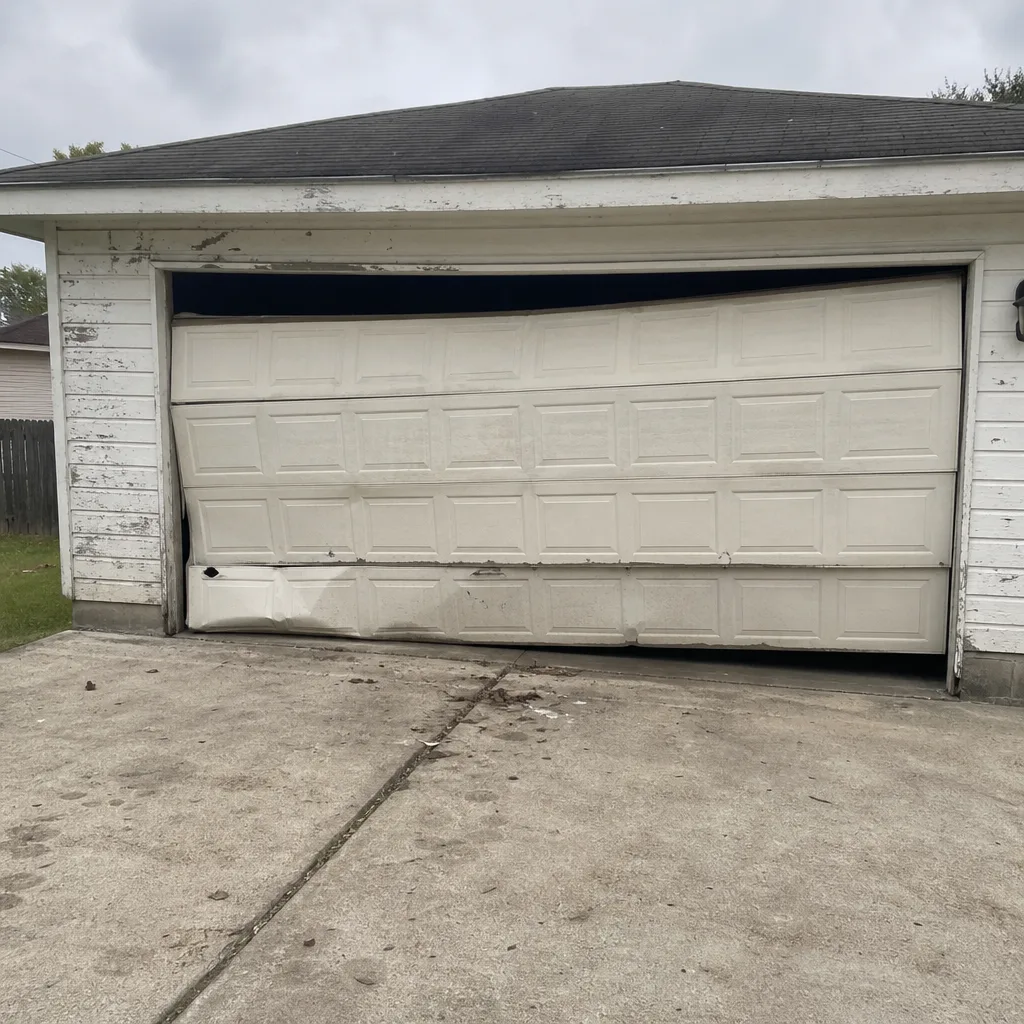 Before
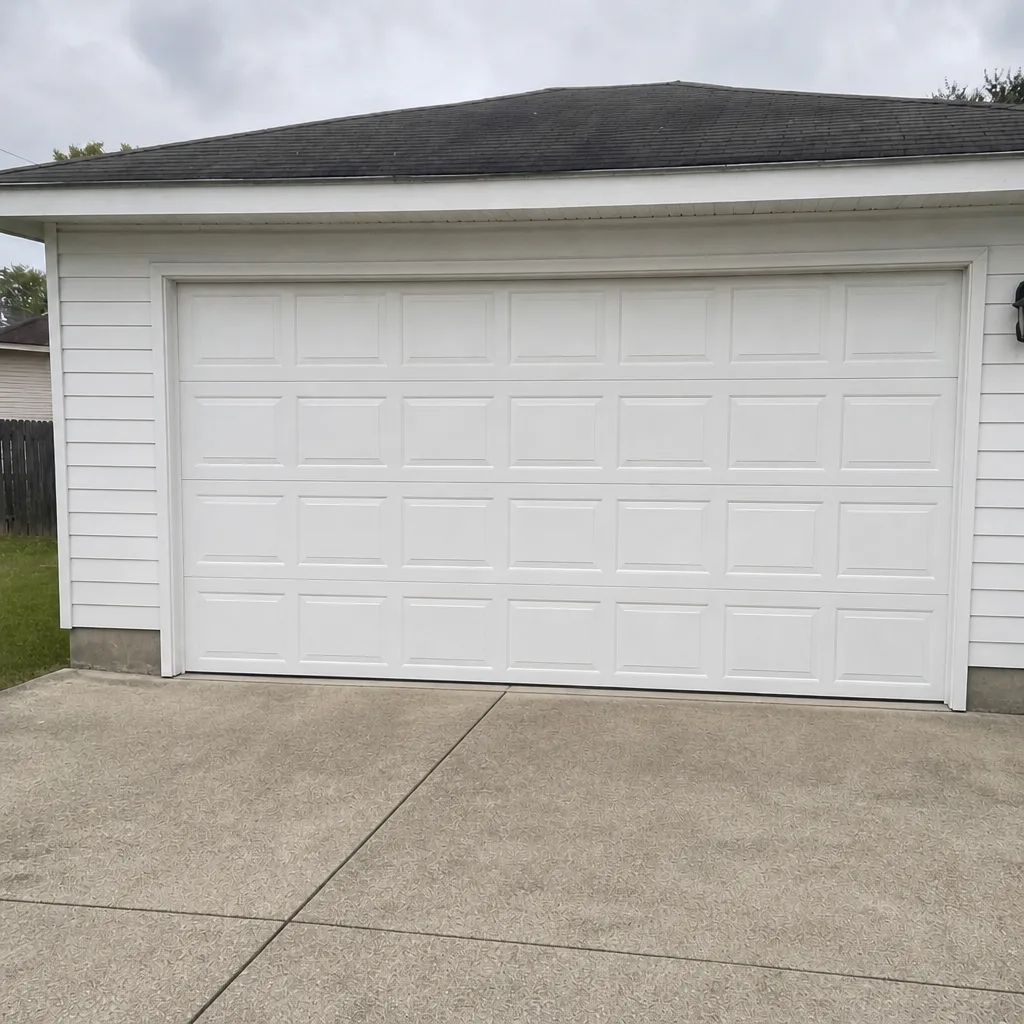 After
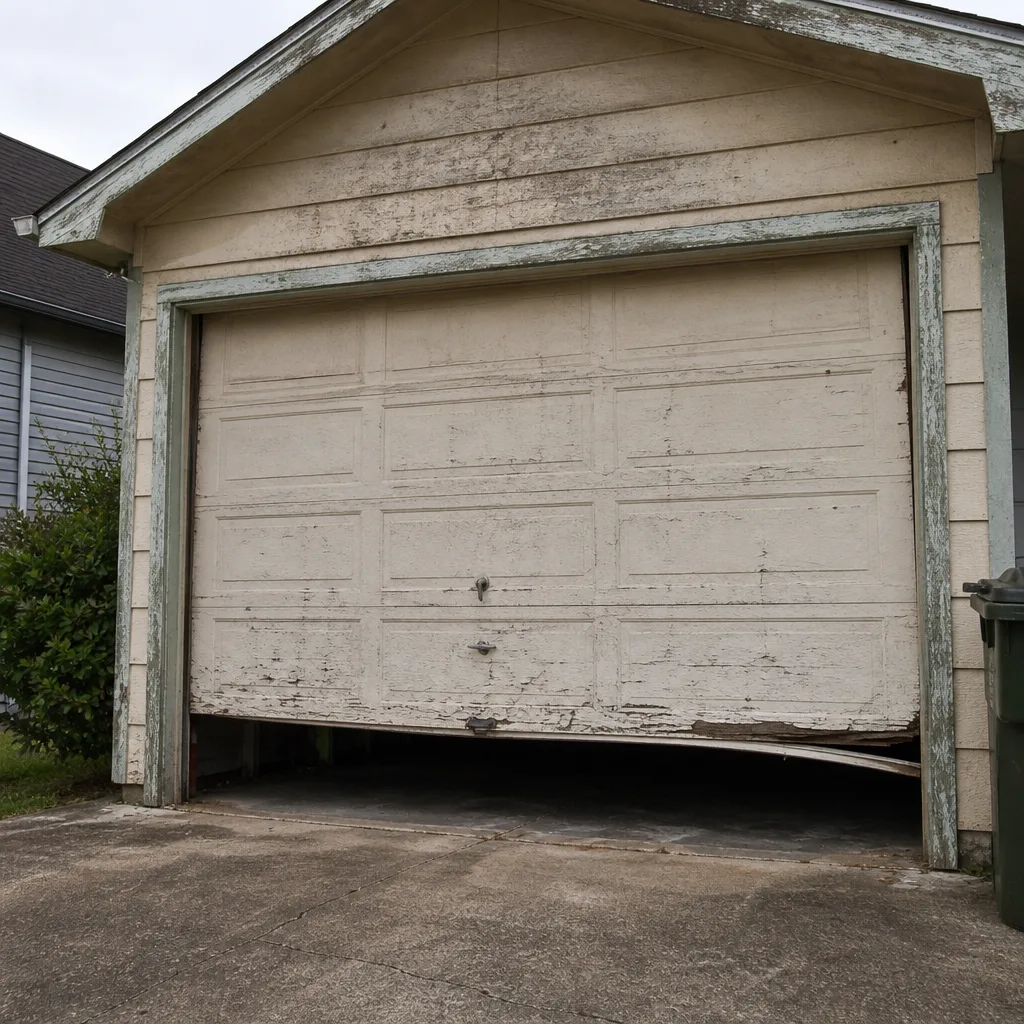 Before
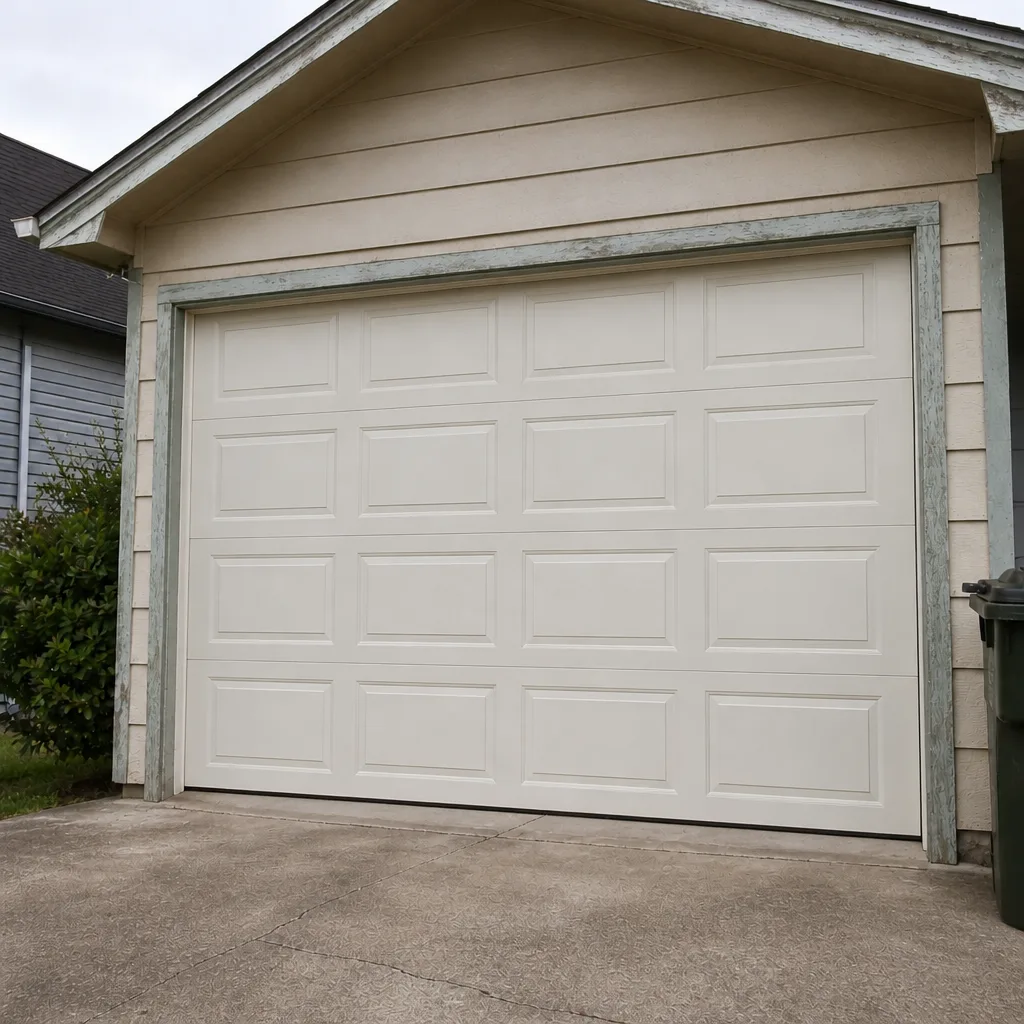 After
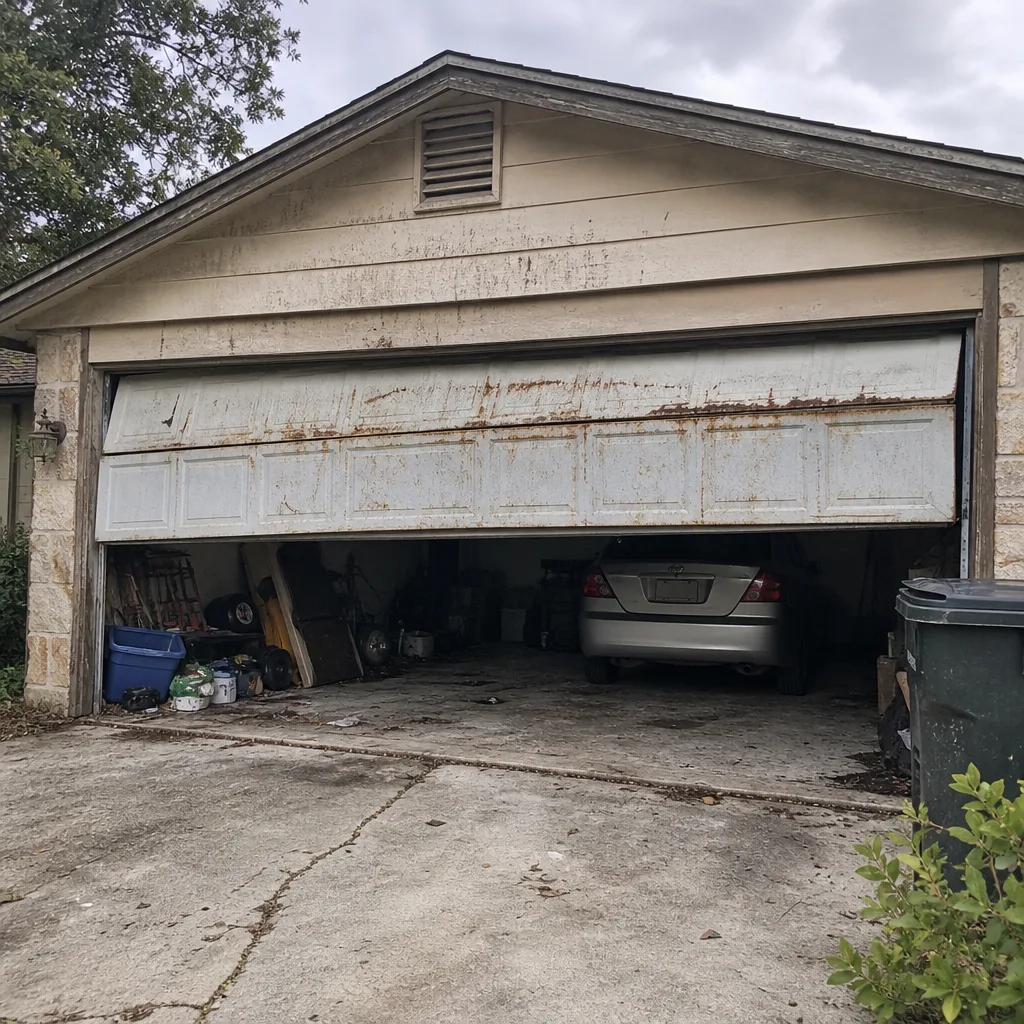 Before
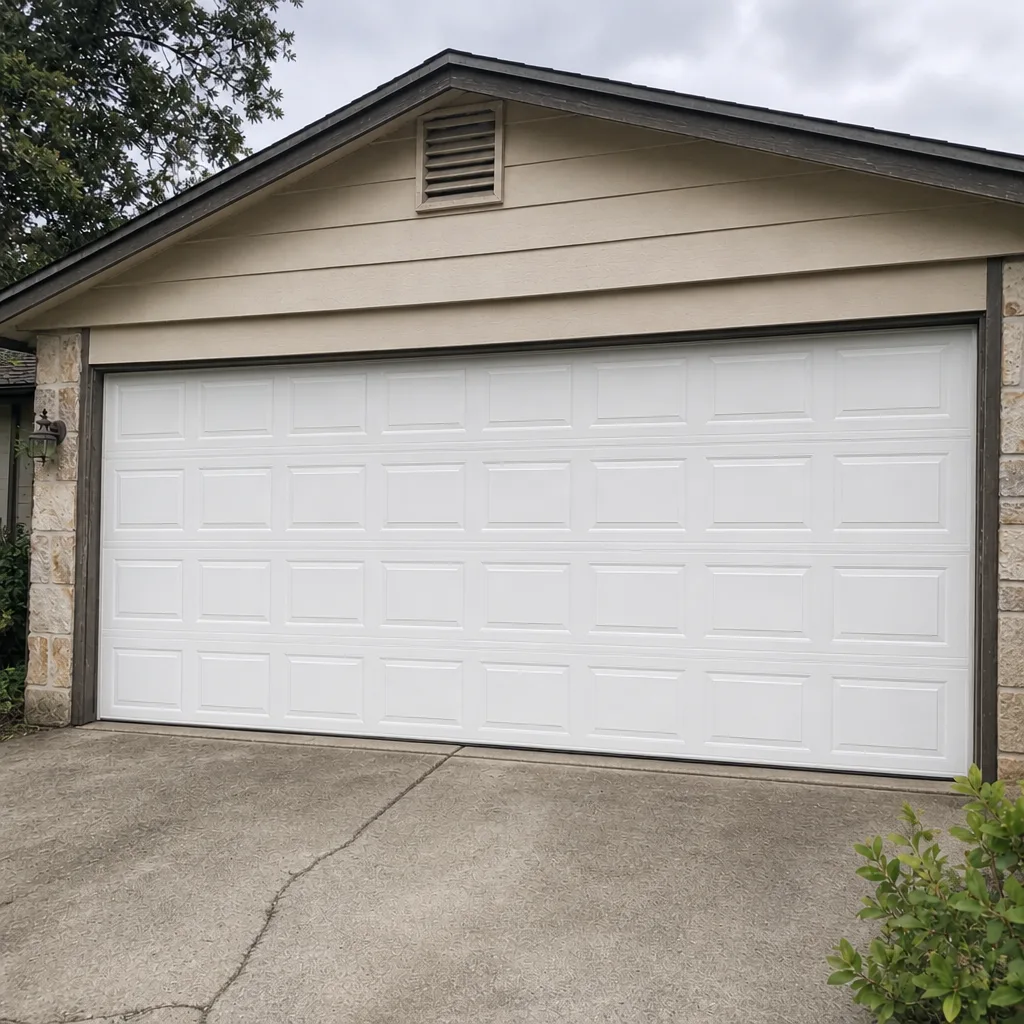 After
When to Call a Professional
Call for any warning sign you can’t confidently explain. If you don’t know why the door hesitates, why the hinge is grinding, or why the opener reverses before closing, that is the right time to get a specialist out. Call sooner if the sign is on the urgent list above: a broken spring, a frayed cable, a door off its tracks, a fast drop when closing, or a hit from a vehicle. Any of those can turn a small repair into a big one fast, and a drop can injure anyone under it. Our technicians have up to 9 years of experience across every major system, so a call on a LiftMaster opener and a call on a Wayne Dalton panel get to the right diagnosis faster than a generalist who rotates between trades. If the system is fine and you’re ready for a new door, the same call covers a measure and a written price before you commit.
Lantern Garage Door Repair offers free estimates in Beaumont. Call (833) 549-9776. We answer 24/7. Fast dispatch from 7am to 7pm, Sunday through Friday.
Frequently Asked Questions
The most common sign we see in Beaumont is a door that reverses or hesitates before closing, which is almost always a safety sensor or opener logic fault rather than a door problem. The second most common is grinding on one side, which usually comes from a dry roller or a track that has shifted on clay soil. Neither is dangerous on its own, but both are early warning signs that get worse if ignored. Call (833) 549-9776 for a free estimate, or run the manual release test first to tell us which way the problem leans.
You know a spring is broken if the door lifts easily by hand, as if it weighs nothing, or if you see a visible gap in the spring coil above the door. Do not run the door with a broken spring. The opener will lift it and drop it, and the drop can damage the panels or the opener itself. Call (833) 549-9776 and we’ll get a technician out. Never try to replace a torsion spring yourself; the tension in the cable is enough to cause serious injury.
Run the manual release test. If the door moves smoothly by hand and struggles under power, the opener is the problem. If it struggles by hand as well, the door is binding and the opener is being asked to do too much. A slow door that hesitates for a second or two in Beaumont summer heat is often an overheating opener logic board, not a dead opener. Call (833) 549-9776 for a diagnosis before replacing anything.
Faster than in a drier region, but not overnight. A dry hinge in Beaumont is usually seized within a season. A warped panel from humid summer air is noticeably worse by the end of the fall. A track that has moved off plumb from slab shift will develop a hard bind within a few months if the rollers are also wearing. The general rule here: signs that look cosmetic in March are worth scheduling in June.
Door replacement involves springs, cables, and a moving panel that can weigh several hundred pounds. The spring and cable assembly is the dangerous part and is not a homeowner job. Repairing hardware, replacing rollers, and diagnosing a slow door are reasonable for a homeowner who is careful, but the moment the work touches the spring shaft or the lift cables, it needs a trained technician. Call (833) 549-9776 for a free measure and written price before you buy.
Most repairs (springs, openers, rollers, hinges) do not require a permit in Beaumont, but full door replacements sometimes do depending on the scope. Ask the city’s building department to confirm before you schedule a replacement, and ask whether wind-rated hardware matters for your address. We’ll flag the question during the free estimate so you’re not caught out at the end of the job. Call (833) 549-9776 to schedule.
The Bottom Line
Most garage door warning signs in Beaumont come down to three ambient causes: humidity warping wood and composite panels, clay soil shifting tracks, and rainfall driving corrosion. The urgency ladder is simple. A broken spring, a frayed cable, or a door off its tracks is a call-now situation; those can fail catastrophically and are dangerous. Grinding, squealing, rattling, and slow movement are scheduled-appointment signs, as long as the door still tracks properly. The manual release test is the one diagnostic worth learning, because it separates opener problems from door problems before a technician arrives. And the seasons matter: summer fails openers, spring and fall fail mechanics. Match the sign, the sound, and the season, and you’ll get the right repair at the right time. Lantern Garage Door Repair is a dedicated garage door specialist, not a generalist. When you’re ready for a diagnosis or a door, call (833) 549-9776 for a free estimate.
Written by the team at Lantern Garage Door Repair.