
Last updated November 14, 2026
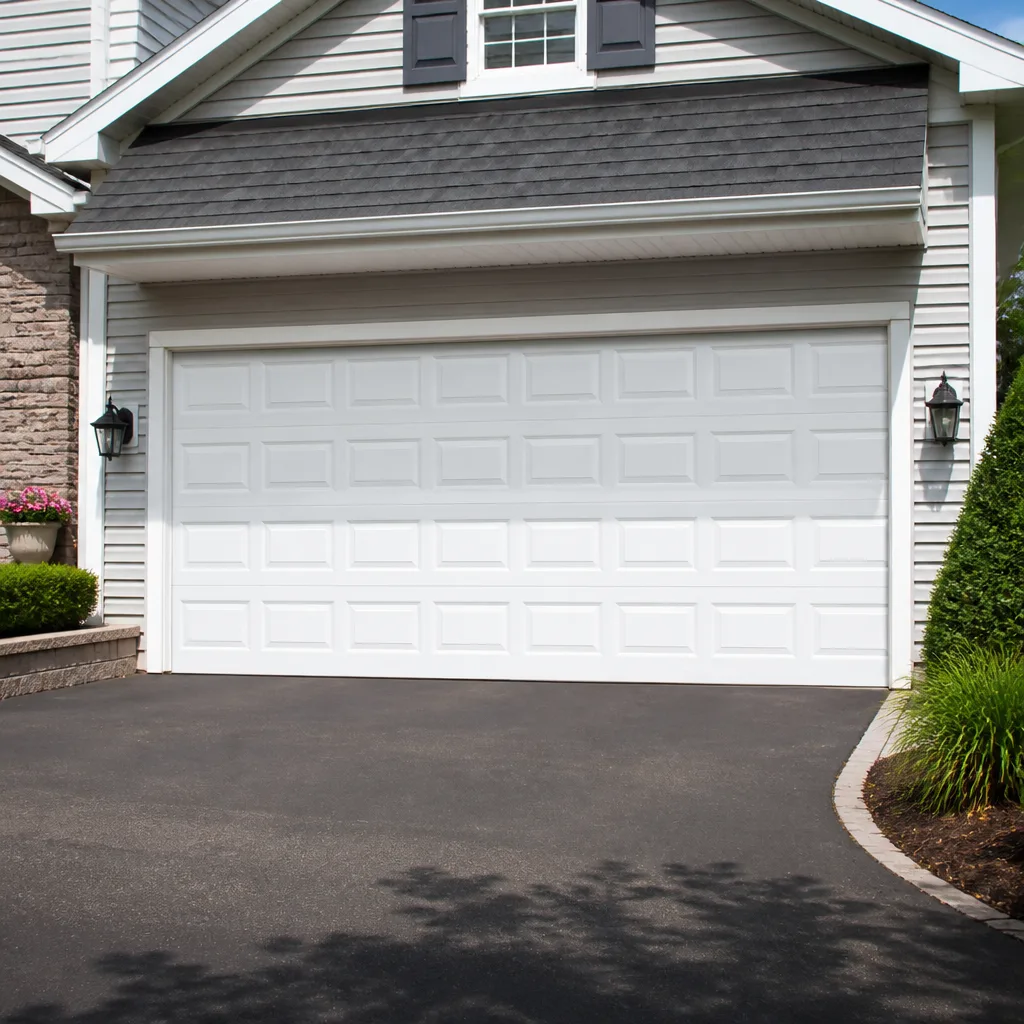 Raised-panel steel
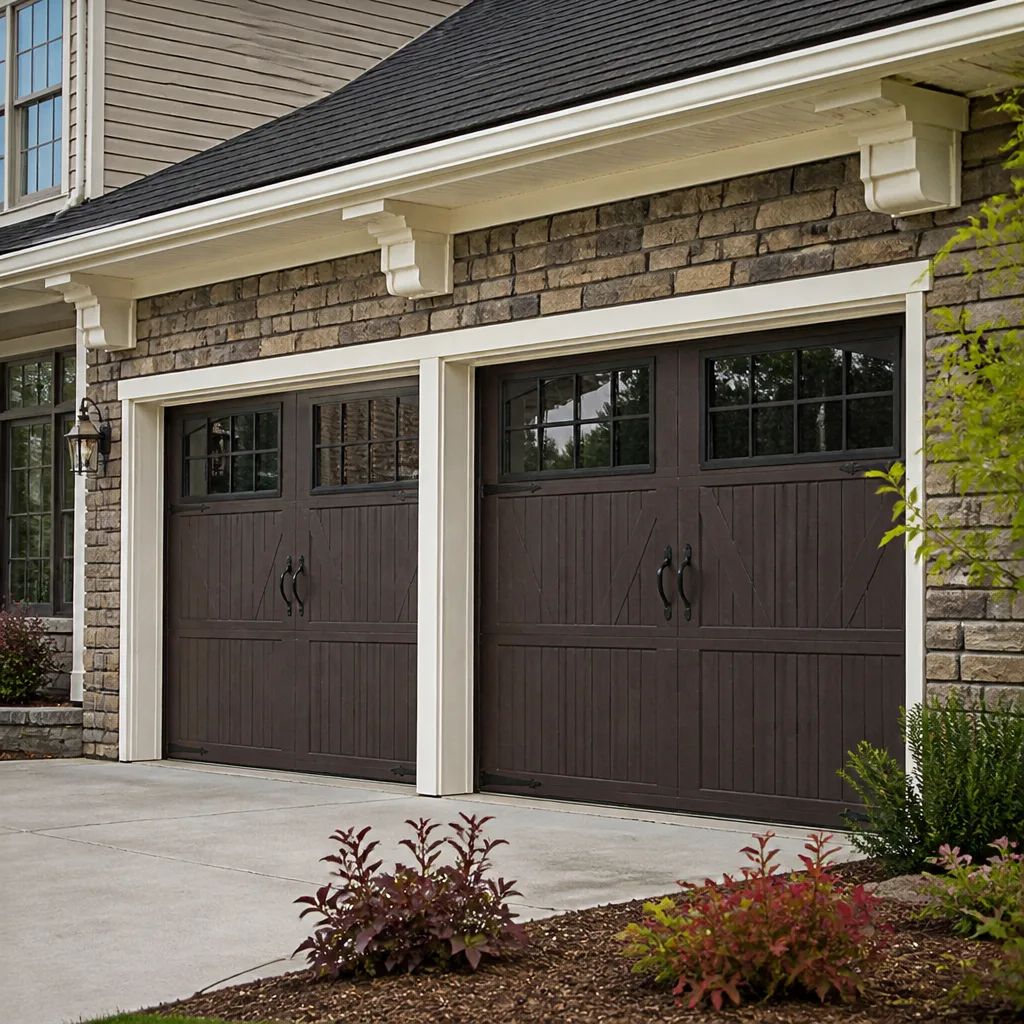 Carriage house
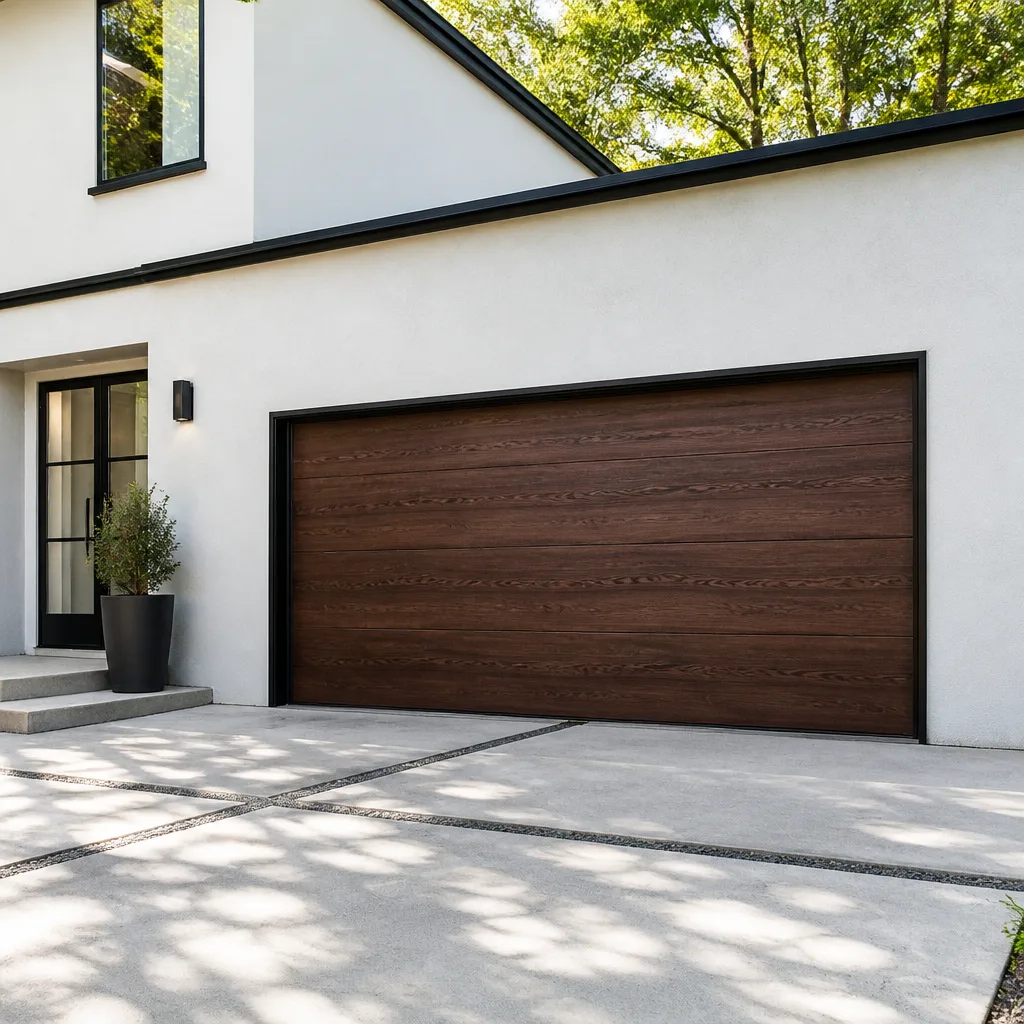 Modern flush
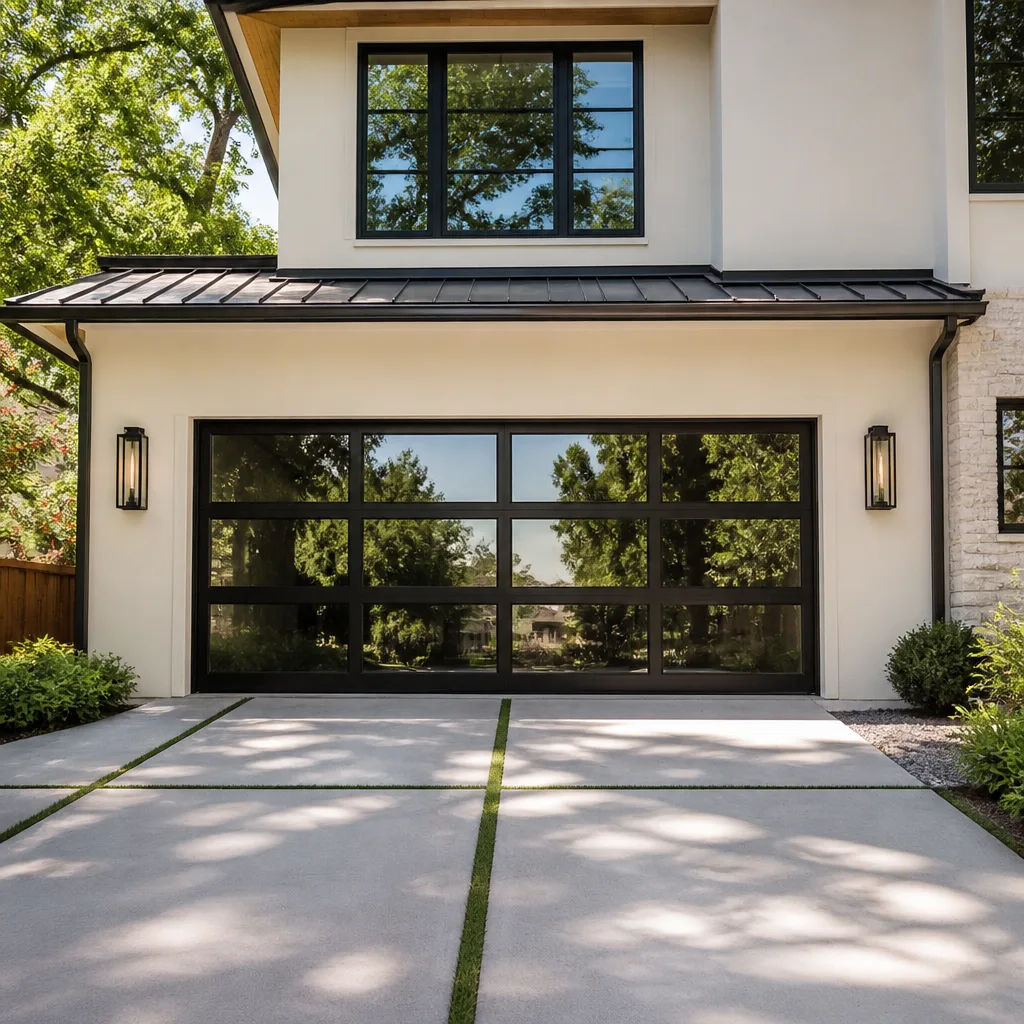 Full-view glass
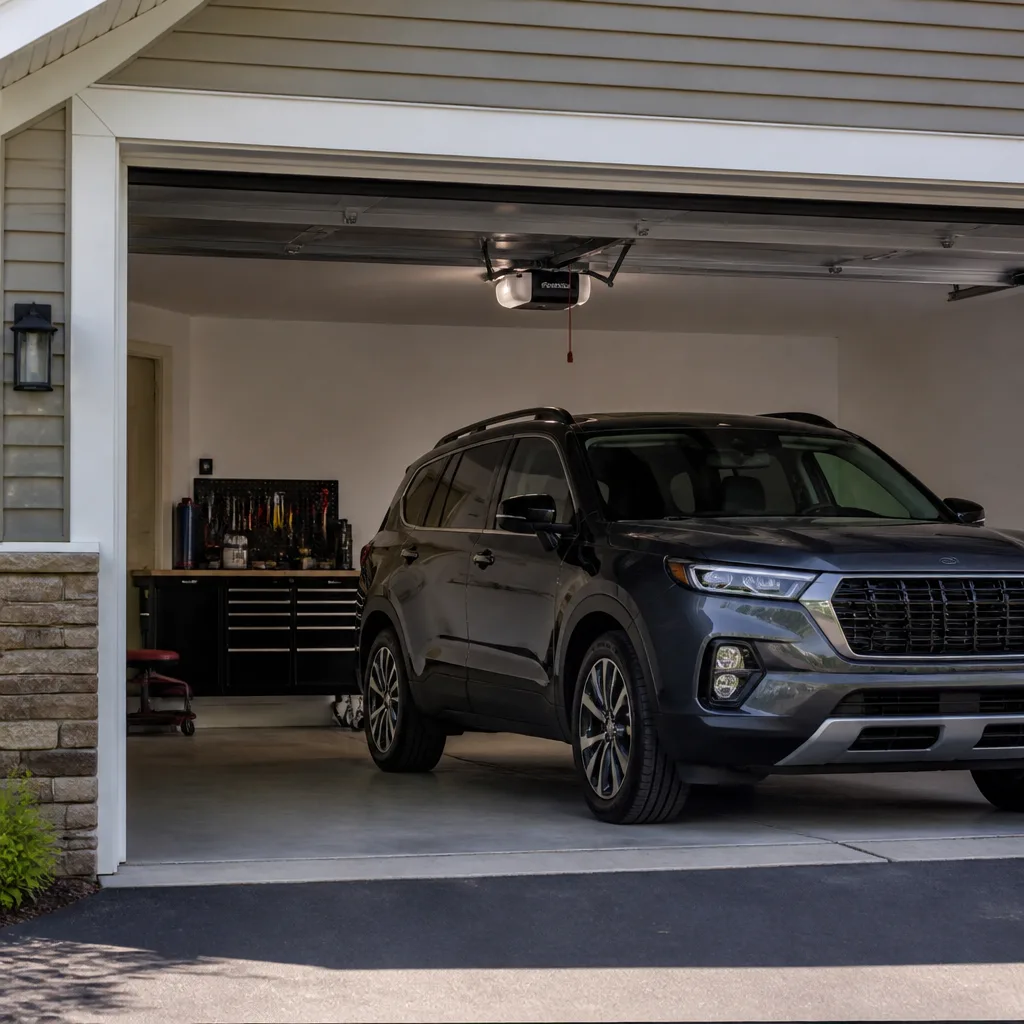 LiftMaster openers
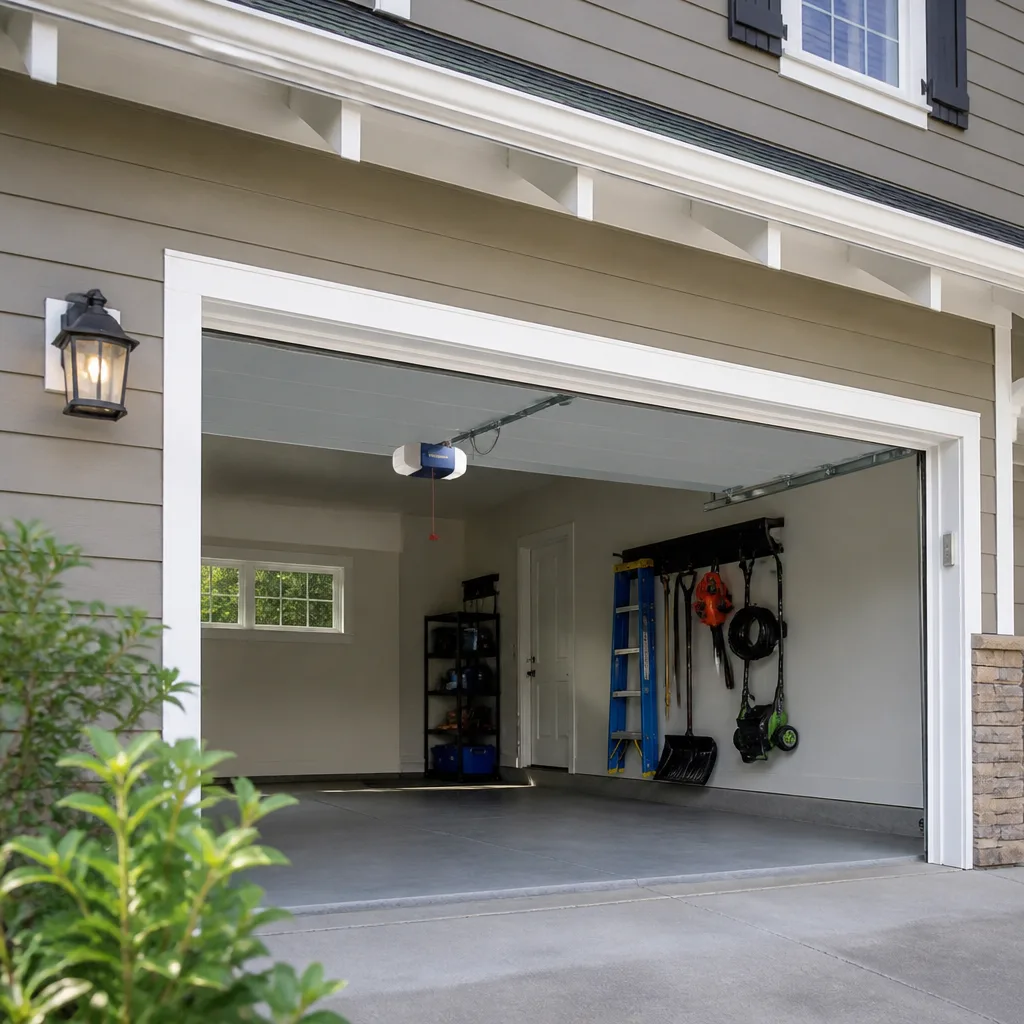 Chamberlain openers
Full 25-point door and opener safety check with every visit - springs, cables, rollers, tracks, and your LiftMaster or Chamberlain opener included
You get a price before we start. It does not change when the pro arrives.
Get your free estimateSeasonal Garage Door Care for Beaumont: Year-Round Homeowner’s Guide
Most garage door care guides assume four equal seasons: a snowy winter, a wet spring, a hot summer, a crisp fall. Beaumont doesn’t work that way. Our so-called winter rarely freezes a door at all, while an August afternoon regularly pushes the heat index past 110°F. That flips the usual advice on its head. The season that damages your springs, panels and weatherstripping here isn’t the cold one – it’s the long, humid summer, bookended by two volatile transition periods that do the most quiet harm. This guide walks through how a Beaumont garage door actually ages across the calendar year, what to check in each phase, and when to fix it yourself versus call a specialist.
Quick Answer
Seasonal garage door care in Beaumont means front-loading prevention in summer, when heat and humidity accelerate spring fatigue and weatherstrip failure, and using the mild winter as your maintenance window for lubrication and opener testing. The two riskiest stretches are the July-to-October storm overlap and the March-to-May temperature swings, when you should inspect seals, tracks and hardware before problems compound.
Styles & brands we work with
- Raised-panel steel
- Carriage house
- Modern flush
- Full-view glass
- LiftMaster openers
- Chamberlain openers
Table of Contents
- Why Beaumont’s Seasons Don’t Match the Standard Advice
- Summer Phase (June-September): Heat and Humidity
- Storm Season (July-October): Pre- and Post-Storm Checklist
- Mild Winter (November-February): Your Maintenance Window
- Spring Transition (March-May): Swings and Rainfall
- Garage Interior Temperature and Humidity Management
- A Simple Beaumont Care Calendar
- Common Mistakes to Avoid
Why Beaumont’s Seasons Don’t Match the Standard Advice
Been to a big-box store in December and seen a garage door guide promising “winter prep”? Most of that checklist – ice buildup, frozen hinges, snow-load concerns – simply doesn’t apply in Beaumont. Our winters are brief and mild, and the door hardware rarely sees freezing temperatures long enough to matter. What actually stresses a garage door along the Gulf Coast is sustained humidity and prolonged heat, plus the swings in between.
So when we tell a homeowner what to focus on, the priorities shift. A few things stand out about how a door lives through a Beaumont year:
- Heat dominates. The summer stretch from June through September keeps garages at oven temperatures for months on end. Metal fatigues faster, panels expand, and adhesives give up.
- Humidity does slow damage. Moisture in the air works on steel hardware, hinges and springs, wearing them down long before any frost would.
- Transition months are volatile. March through May brings sharp temperature swings and heavy rain, and that combination is hard on bottom seals and thresholds.
- Storm season overlaps peak heat. July through October is when wind-borne debris threatens panels and tracks, so your pre-storm checks matter.
If you understand these phases, you can plan maintenance around them instead of reacting to a spring snapping in the middle of July. When something does fail, our garage door repair team can walk you through it.
Summer Phase (June-September): Heat and Humidity
Summer is the season that asks the most of your garage door in Beaumont. The heat index regularly climbs past 110°F, and garages hold that heat even after the sun drops. Three parts of the door take the brunt: torsion or extension springs, the panels themselves, and the weatherstripping around the perimeter.
What the heat actually does
- Springs fatigue faster. Spring steel is under constant tension, and repeated heat expansion and contraction over months shortens its working life. A spring that might last years in a mild climate can fail sooner in a hot garage.
- Panels expand and can warp. Steel and aluminum expand with heat. On a poorly insulated door, that expansion can encourage panel bowing, especially if the tracks are slightly out of alignment.
- Weatherstripping loses adhesion. The rubber and vinyl seals around the door are glued or fastened on, and sustained heat softens the adhesive. Once a seal starts peeling, it lets water and pests in and stresses the bottom edge of the door.
Summer maintenance tasks
- Listen to the door. A new groan, a squeak, or a slower rise on a hot afternoon is worth noting. Heat can hide an emerging problem until it fails outright.
- Check the weatherstripping by hand. Run your fingers along the bottom and side seals. If they’re cracked, brittle, or pulling away, they need replacing now, not after they fail.
- Look at the springs (from a safe distance). Don’t touch torsion springs – more on that below – but glance for obvious sagging, gaps in the coils, or rust.
- Give the door a manual test. Disconnect the opener and lift the door by hand. It should move smoothly and stay open around four feet. If it feels heavy or won’t hold, the balance may be off.
If any of this raises a red flag, our Lantern Garage Door Repair specialists can diagnose it before it becomes a big repair. Brand matters here: whether you’re running a Clopay panel system or an Amarr door, correct manufacturer-spec parts make the difference in how a replacement holds up to another Beaumont summer.
Storm Season (July-October): Pre- and Post-Storm Checklist
Beaumont’s storm season overlaps the hottest part of the year, and that combination means wind-borne debris hitting a door that’s already stressed by heat. A little preparation before a named storm or a strong front moves through can save you a panel replacement.
Before a storm: the lockdown checklist
- Lower and lock the door completely. A fully closed door is far stronger against wind than a partially open one. Engage the manual lock or slide the opener’s lock bar if it has one.
- Clear the area around the door. Move loose objects – trash cans, planters, garden tools – away from the door so wind can’t drive them into the panels.
- Check that the door is centered in its tracks. If a panel is already slightly bowed, note it; a bent panel is more vulnerable to further damage.
- Disconnect and note the opener status. If you expect to lose power, know how to manually release the opener so you’re not stuck if you need to move a vehicle.
After the storm: the inspection sequence
- Stand back first. Look for visibly bent panels, doors off their tracks, or hanging debris. If you see a door that’s crooked or jammed, don’t operate the opener until you’ve had it looked at.
- Test the door by hand before using the opener. If it moves smoothly and stays balanced, try the opener once.
- Inspect the tracks. Debris or a shifted track will show as the door rubbing, catching, or running unevenly.
- Check the weatherstripping and thresholds. Storm rain can loosen seals, and a gap you didn’t have before is a sign to fix it.
If a storm leaves your door off-track or a panel dented, call us at (833) 549-9776. We answer 24/7, and our fast dispatch from 7am to 7pm, Sunday through Friday, can get a technician out to assess it.
Mild Winter (November-February): Your Maintenance Window
Here’s the good news about a Beaumont winter: it’s your best window to actually do the maintenance most people skip. The door isn’t fighting heat or storm threats during these months, so this is when you want to tackle the tasks that keep everything running smoothly the rest of the year.
Lubricate the moving parts
A garage door has a surprising number of moving parts: hinges, rollers, the track, the springs, and the opener’s rail. A dedicated garage door lubricant (not WD-40, which is a solvent) on the hinges, rollers, and springs keeps them moving smoothly and slows wear. Apply it once during this window and note how much smoother the door runs.
Test and adjust opener force settings
Your opener is set to a force limit that determines how hard it can push before reversing. Over months, that setting can drift. Winter is the time to test both the open and close force – most modern openers like Genie or LiftMaster models have a test procedure in their manual, or you can place a firm object under the closing door and confirm it reverses. If it doesn’t reverse, get it looked at before using it again.
Schedule non-urgent repairs
Because the weather is calm, this is when you want to get small things fixed: a slightly noisy roller, a slow opener, a track that needs aligning. Booking a repair during the mild months beats waiting until it turns into an emergency in the heat of July.
Check for rust
Humidity doesn’t stop in winter here. Give the hinges, track and any exposed steel hardware a look for rust spots, and treat them early. For a Wayne Dalton door or any other model with steel tracks, this check pays off.
Spring Transition (March-May): Swings and Rainfall
Spring in Beaumont is a transition, not a season, and that’s what makes it tricky. Temperatures swing fast, and rainfall picks up. Both of these put pressure on the parts of the door that seal it: the bottom seal and the threshold gasket.
How the swings stress the seals
- Rapid temperature changes make rubber and vinyl expand and contract. A seal that’s nearing the end of its life will crack or pull away faster with those swings.
- Rain and standing water at the threshold work their way into a worn bottom seal, keeping the door’s bottom edge wet and encouraging rust and rot.
- Wind-driven rain from spring storms can push water into small gaps, which is why a loose threshold gasket becomes obvious in spring.
When to replace rather than patch
Not every seal needs replacing. A small tear can sometimes be patched. But if the bottom seal is cracked across its length, has lost its flexibility, or is pulling away from the door, replacing it is the better call. A patch on an already stiff, cracked seal just delays the failure. The threshold gasket – the seal the door presses against on the floor – is the same story. Once it’s flattened or torn, replacement prevents water intrusion and keeps the door’s seal tight.
While you’re inspecting seals, check the opener too. If your door has started to reverse on contact before it’s actually closed, or the opener runs but the door barely moves, that’s a sign something needs attention. Our garage door opener repair team can look at the drive system and force settings.
Garage Interior Temperature and Humidity Management
There’s a benefit to thinking about the whole garage, not just the door. The interior temperature and humidity affect how comfortable the garage is, but they also affect the door’s hardware and opener motor. In Beaumont’s climate, a sealed, insulated garage holds up better.
How an insulated door helps
- Reduces heat gain. An insulated door (like a polyurethane-filled Clopay or Amarr model) resists heat transfer, keeping the garage cooler in summer and easing the load on any HVAC equipment or appliances inside.
- Eases the opener motor. A cooler, drier environment is easier on the opener motor’s electrical components than a garage that bakes in humidity.
- Cuts condensation. Insulation and good sealing reduce the moisture that condenses on steel parts, which is a big part of what wears hardware here.
Sealing the gaps
Check the perimeters: the bottom seal, the side seals, and the gap where the door meets the frame. A well-sealed garage stays drier, and that protects the spring, hinges and opener. If you’re noticing condensation on the door or hardware, it’s time to revisit your seals and consider whether your door’s insulation is adequate for the space.
Not sure whether your door is insulated or how well it seals? A free estimate is a good place to start. Call (833) 549-9776 and we’ll walk you through it.
A Simple Beaumont Care Calendar
Pulling all of this together, here’s how a year of garage door care looks in Beaumont:
- June-September (summer): Watch for heat-related symptoms; inspect weatherstripping and springs; listen for new noises.
- July-October (storm overlap): Do the pre-storm lockdown checklist; inspect after events; don’t force a jammed door.
- November-February (mild winter): Lubricate hardware; test opener force settings; check for rust; book any non-urgent repairs.
- March-May (spring transition): Inspect and, if needed, replace bottom seals and threshold gaskets; check opener behavior.
- Year-round: Keep the garage sealed and insulated; test the door manually every few months; address small issues early.
Our technicians have up to 9 years of experience across brands like Genie, Chamberlain, Clopay, Amarr, Wayne Dalton, Craftsman, Raynor and LiftMaster, so they’ll recognize the quirks of your specific system, not just garage doors in general.
Common Mistakes to Avoid
- Waiting for a failure to schedule maintenance. In Beaumont, the heat does slow damage to springs and seals for months before anything visibly breaks. That’s why the mild winter window is worth using.
- Ignoring a peeling weatherstrip. A seal that’s just starting to peel away seems minor, but in summer heat it fails fast, letting in water and pests.
- Using the wrong lubricant. WD-40 and similar solvents actually attract dirt and dry out the parts. Use a garage door lubricant, not a general-purpose spray.
- Operating a storm-damaged door. If a panel or track is bent after a storm, running the opener can make the damage worse. Inspect first, and don’t force it.
- Trying to replace a torsion spring yourself. Torsion springs are under extreme tension and can cause serious injury. This is a job for a trained professional, every time.
- Patching a worn seal instead of replacing it. A patch on a cracked, stiff bottom seal just delays the inevitable. Replace when it’s lost flexibility.
- Setting the opener force too high to “get it working.” If the door is binding, cranking up the force setting hides the problem and can damage the door and opener. Find and fix the cause instead.
See the difference
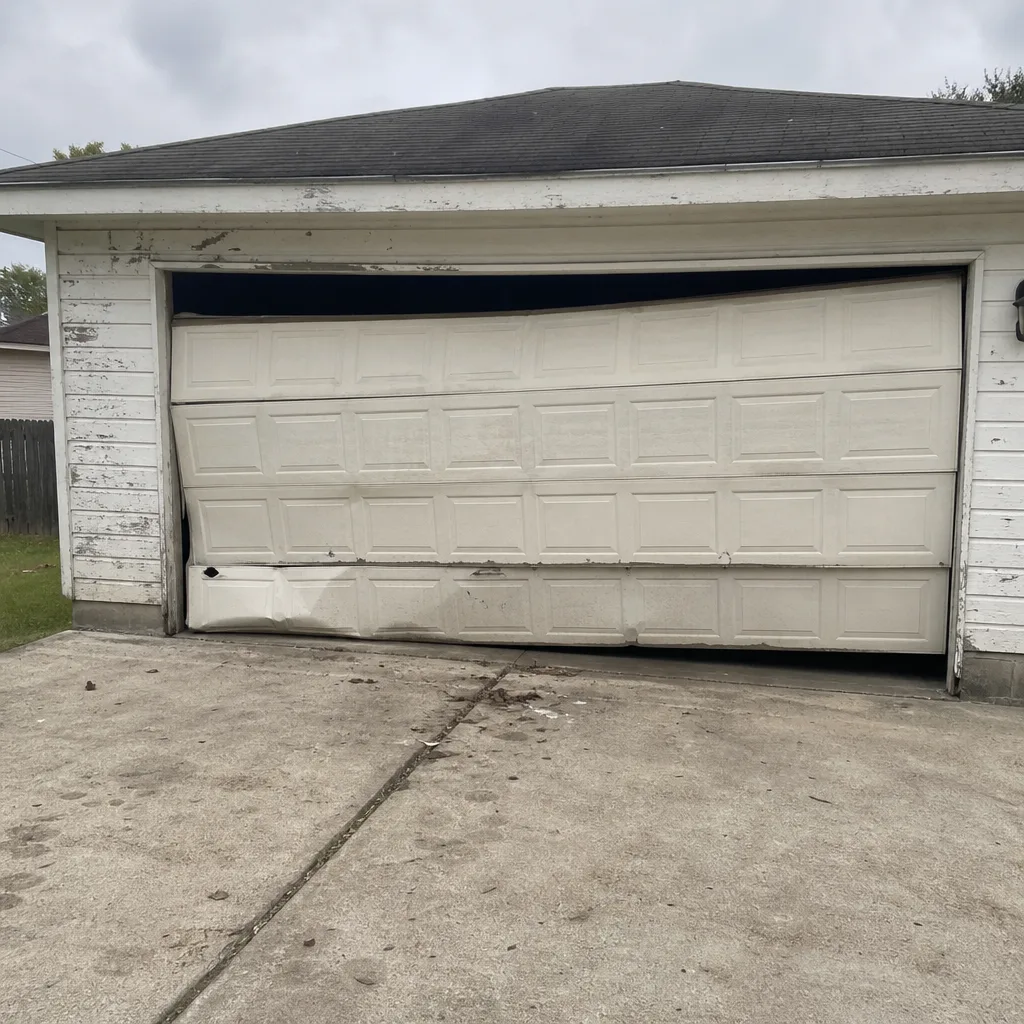 Before
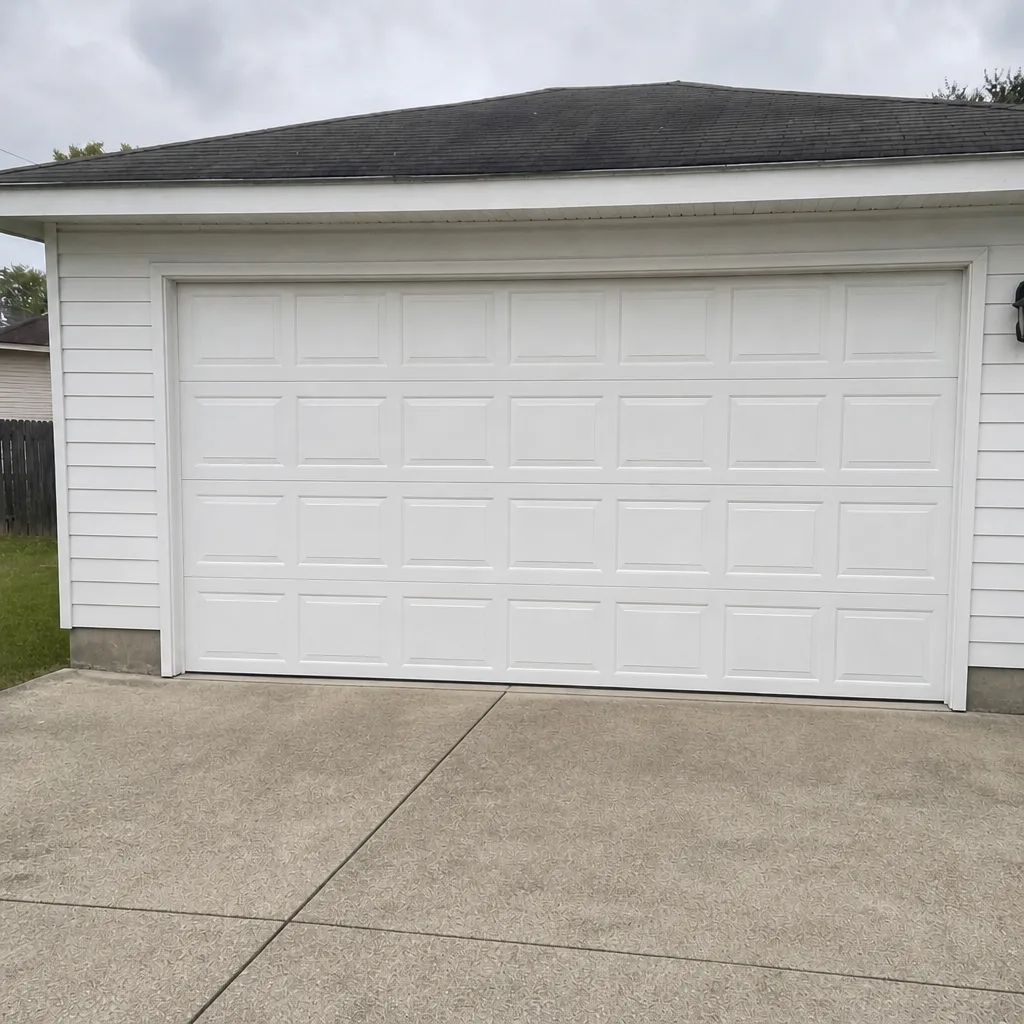 After
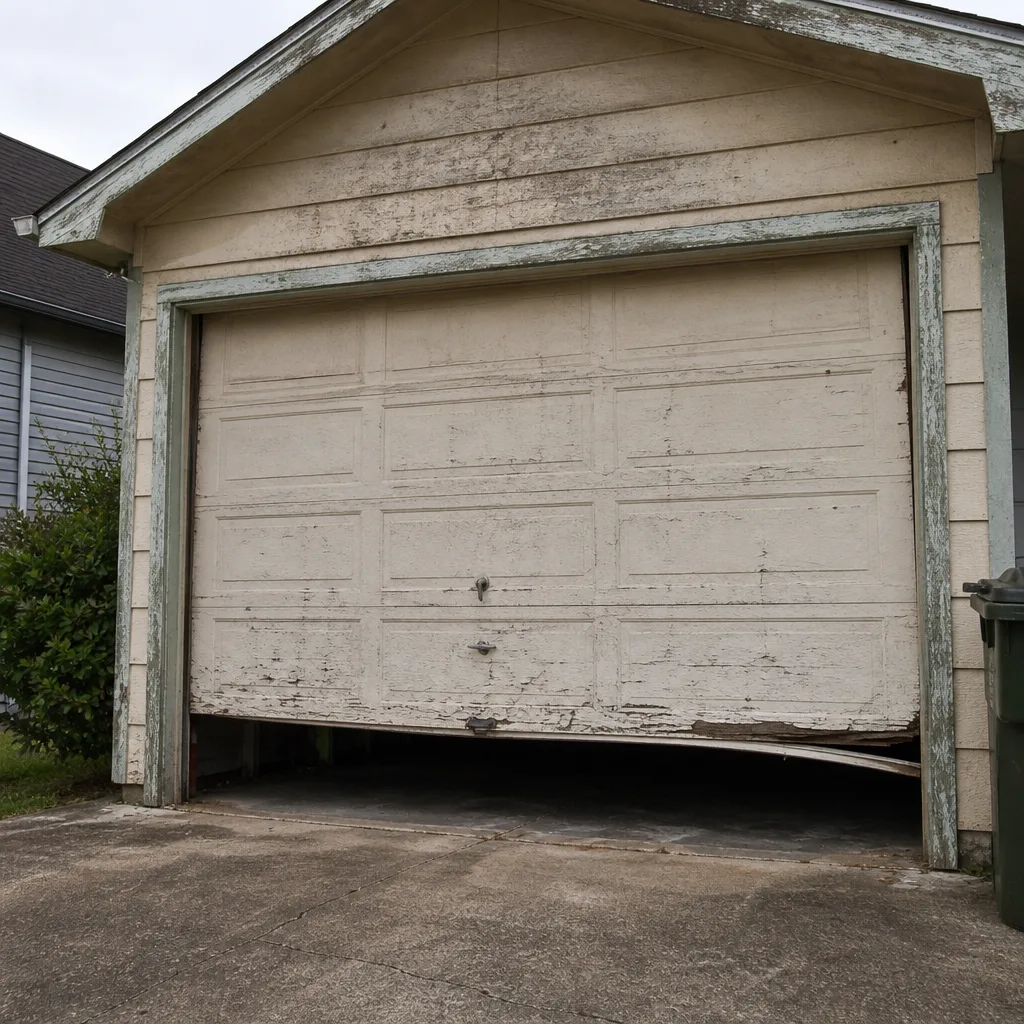 Before
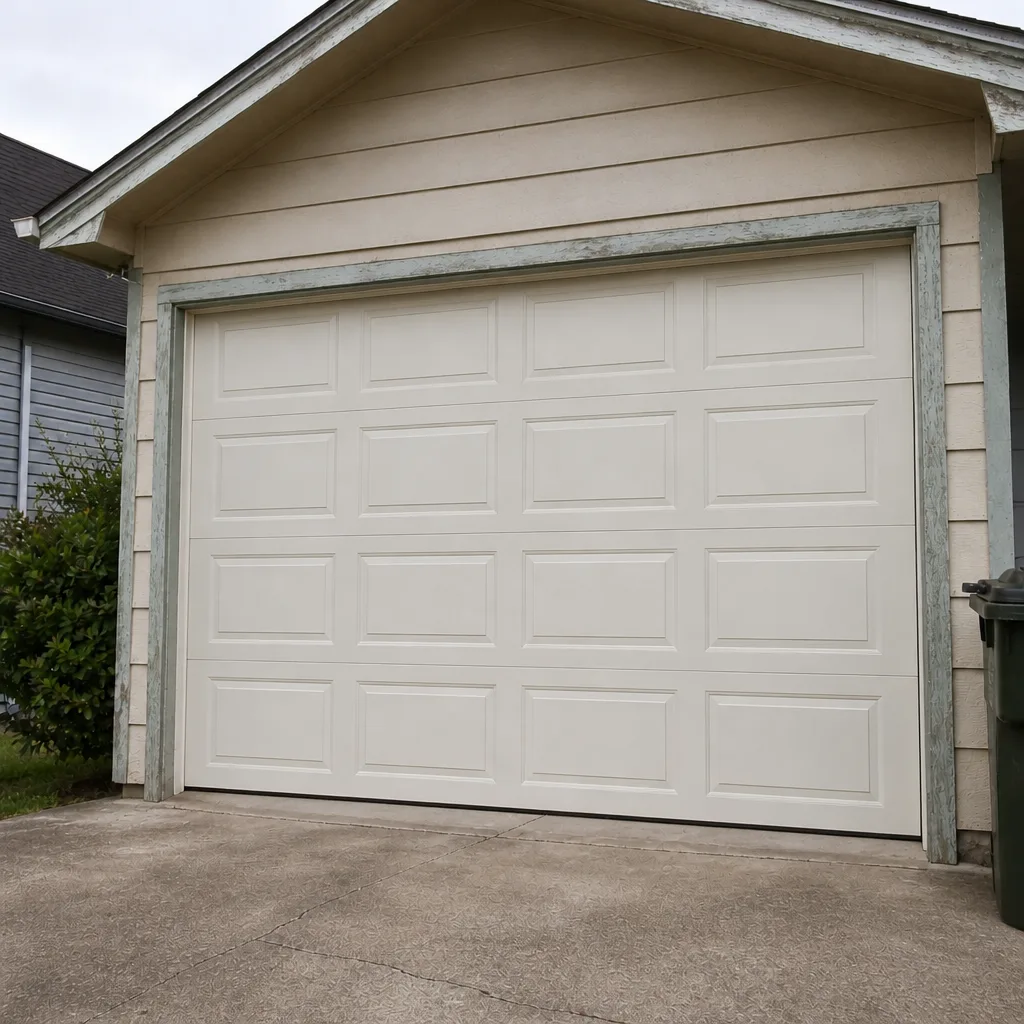 After
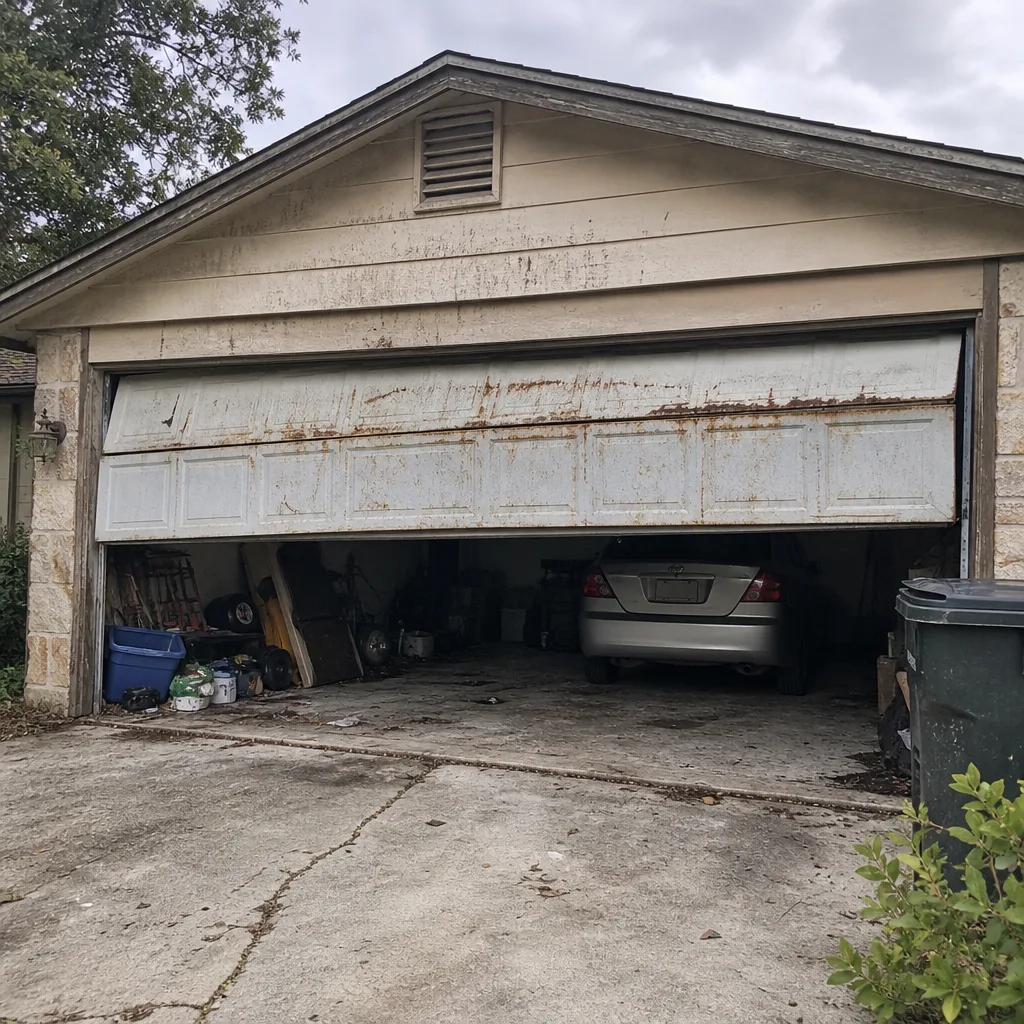 Before
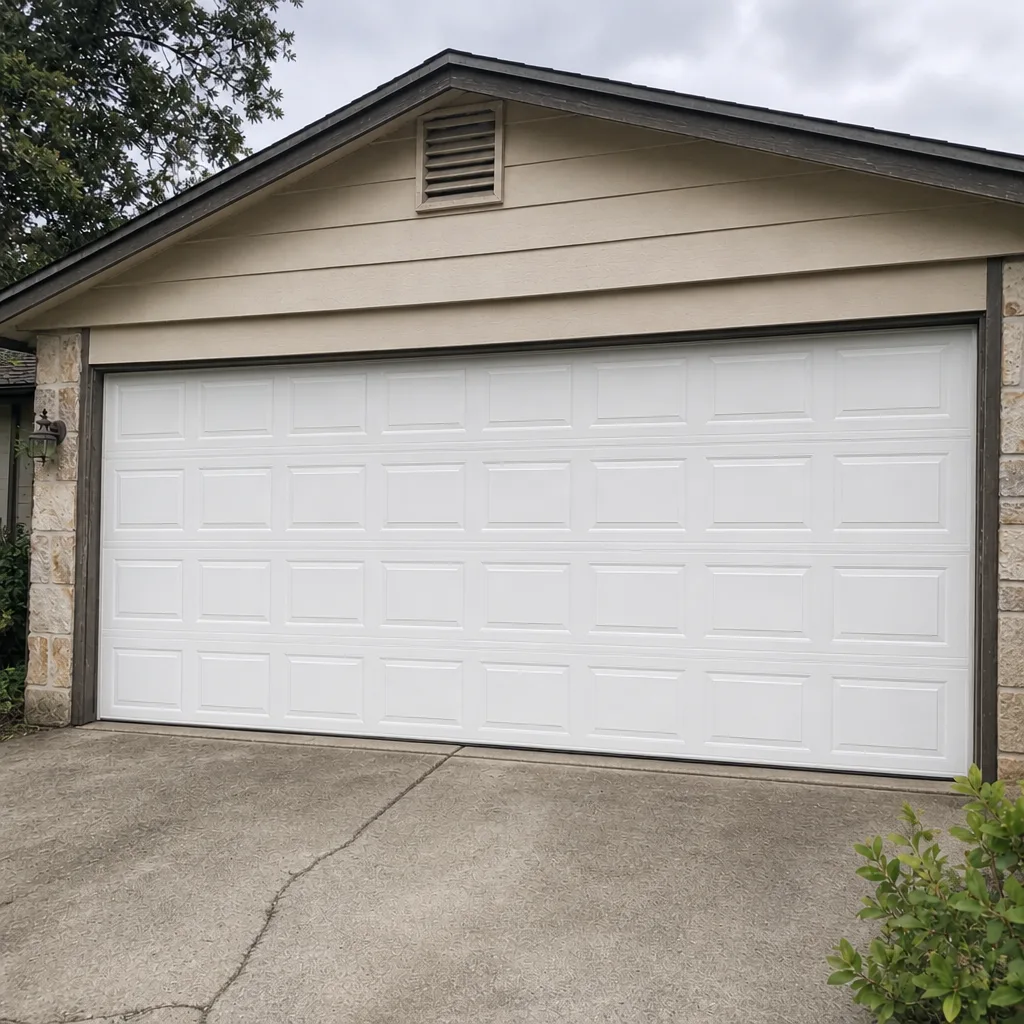 After
When to Call a Professional
Most seasonal care – lubricating, testing, inspecting seals – you can do yourself. But some situations call for a specialist. If you hear a loud crack from the garage, see a broken spring, find the door off its tracks, or notice the door won’t reverse on contact, stop using it and call. Torsion springs and the high-tension parts of the door are genuinely dangerous to work on without the right tools and training. If your opener is older and misbehaving, or a storm has left the door visibly bent, that’s a pro job too. In any of these cases, don’t force the door. Lantern Garage Door Repair offers free estimates in Beaumont – call (833) 549-9776. We answer 24/7, with fast dispatch from 7am to 7pm, Sunday through Friday. We’ll walk you through exactly what failed and what it takes to fix it, with a clear diagnosis before any work begins.
Frequently Asked Questions
Twice a year is a good rhythm here: once during the mild winter for lubrication and opener testing, and once in late spring to inspect seals and thresholds before the summer heat. Between those, a quick visual check after storm events keeps you ahead of problems.
The mild winter months, November through February, are the best window for non-urgent repairs because the door isn’t under heat or storm stress. That said, if something is broken or unsafe, don’t wait – call us at (833) 549-9776. We answer 24/7, with fast dispatch from 7am to 7pm, Sunday through Friday.
No. Torsion springs are under extreme tension and can cause serious injury if they slip or release unexpectedly. Leave spring work to a trained technician. If you suspect a broken spring, keep the door closed and call a professional.
Heat causes metal to expand and lubricants to thin, and it can make an already-stressed spring feel sluggish. If the door seems noticeably harder to open in Beaumont’s summer, that’s worth an inspection – it may be a sign of spring fatigue or a balance issue.
Not necessarily. Replace it when it’s cracked, brittle, losing flexibility, or pulling away from the door. In Beaumont’s heat, the seals age faster than in a mild climate, so check them each spring and fall.
Yes. An insulated door like a polyurethane-filled Clopay or Amarr model reduces heat transfer and helps the garage stay cooler and drier, which eases the load on your opener motor and slows moisture damage to hardware. It’s worth considering if your current door is uninsulated.
Close and lock the door fully, clear loose objects away from it, and check it’s centered in its tracks. After the storm, inspect for bent panels or a door off its tracks before running the opener. Our Beaumont team is here if anything looks wrong.
The Bottom Line
A Beaumont garage door doesn’t fail because of a hard winter – it fails because of a long, hot, humid summer and two volatile transition periods. Plan your care around those real phases: front-load prevention in summer, lock down for storm season, use the mild winter to lubricate and test, and check seals and thresholds in spring. Small, timely attention beats an emergency repair every time, and when something is beyond a DIY check, a specialist can diagnose it before it gets worse. That’s what we do here at Lantern Garage Door Repair – one trade, done thoroughly. Call (833) 549-9776 for a free estimate, and we’ll walk you through exactly what’s going on with your door.
Written by the team at Lantern Garage Door Repair.