
Last updated November 14, 2026
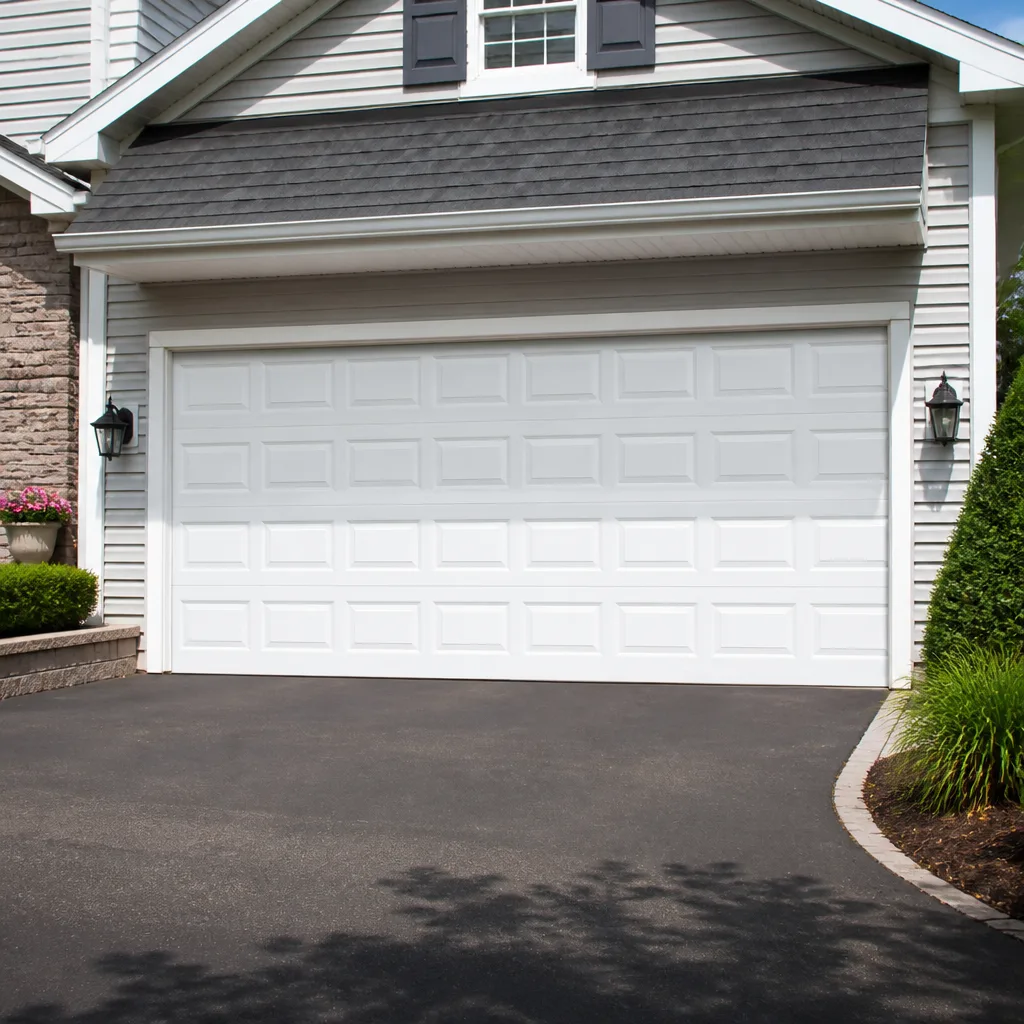 Raised-panel steel
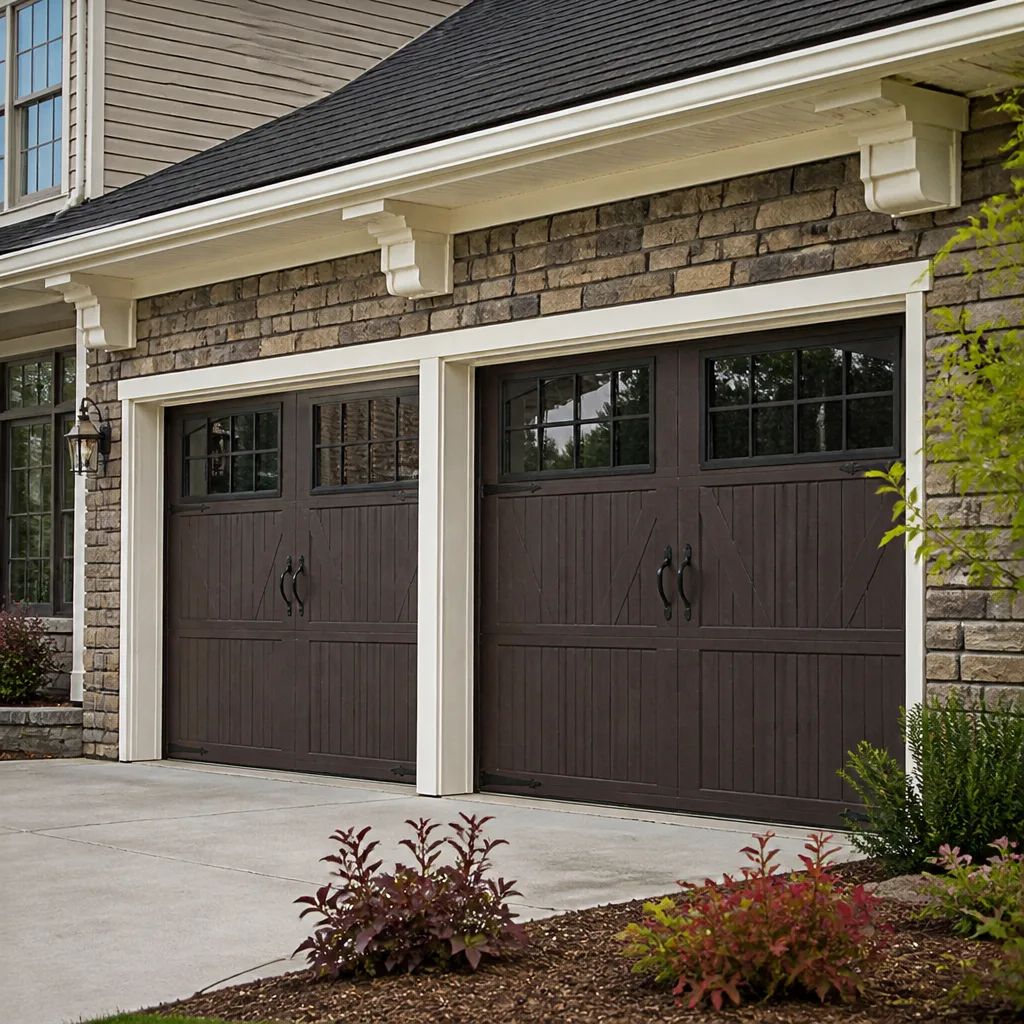 Carriage house
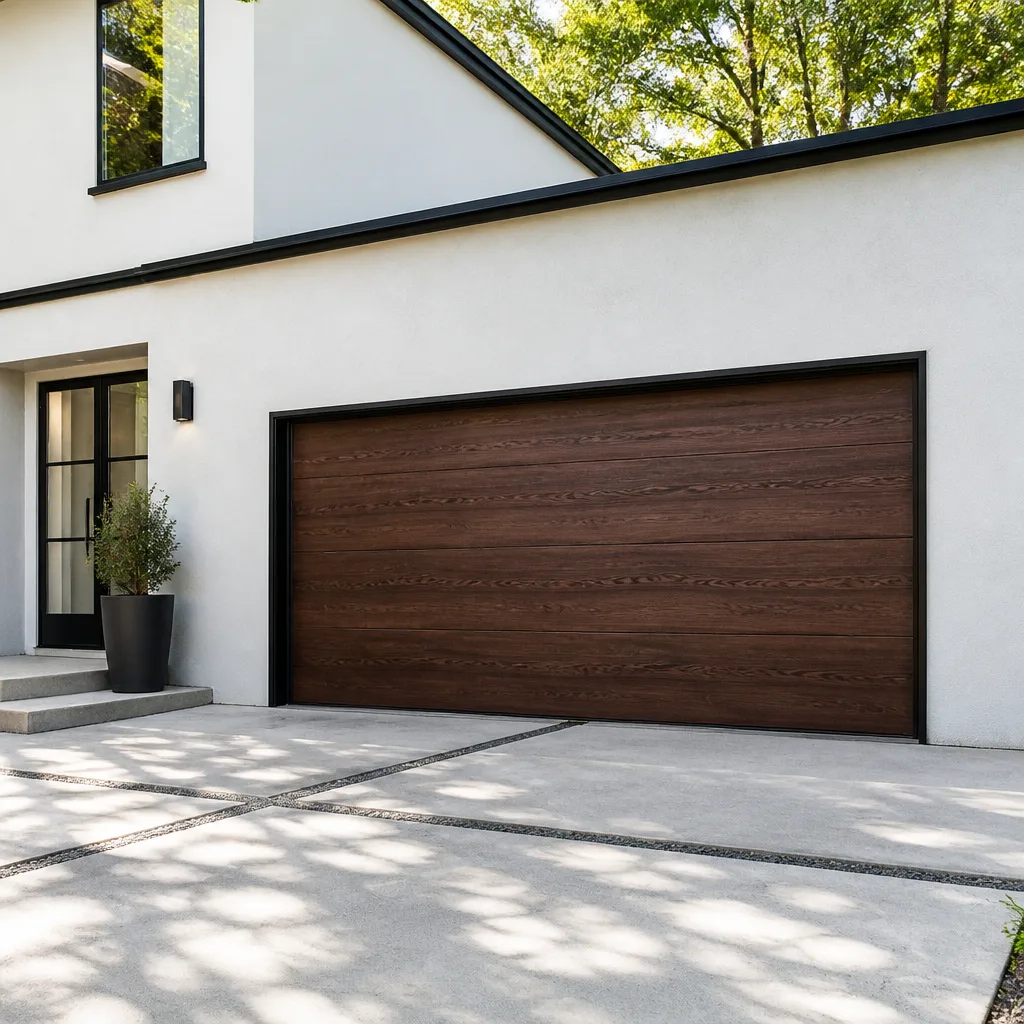 Modern flush
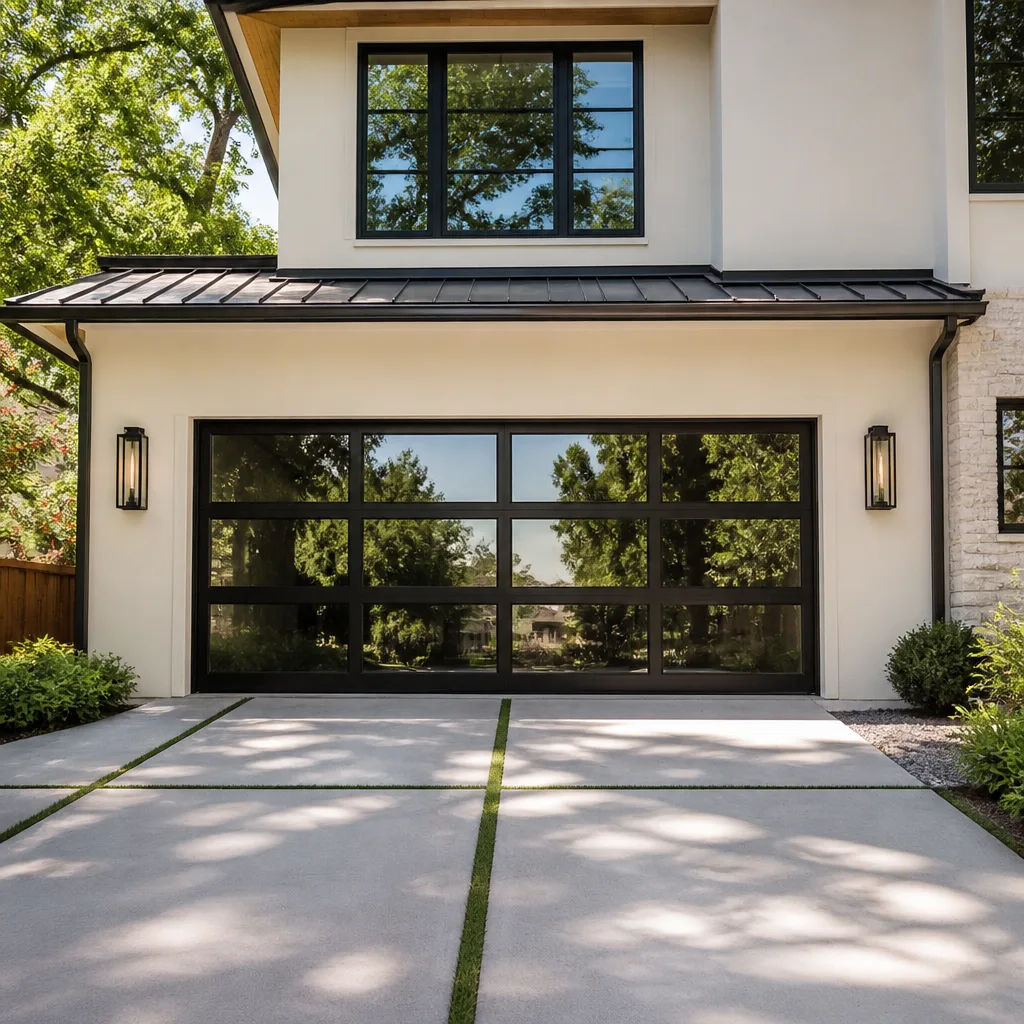 Full-view glass
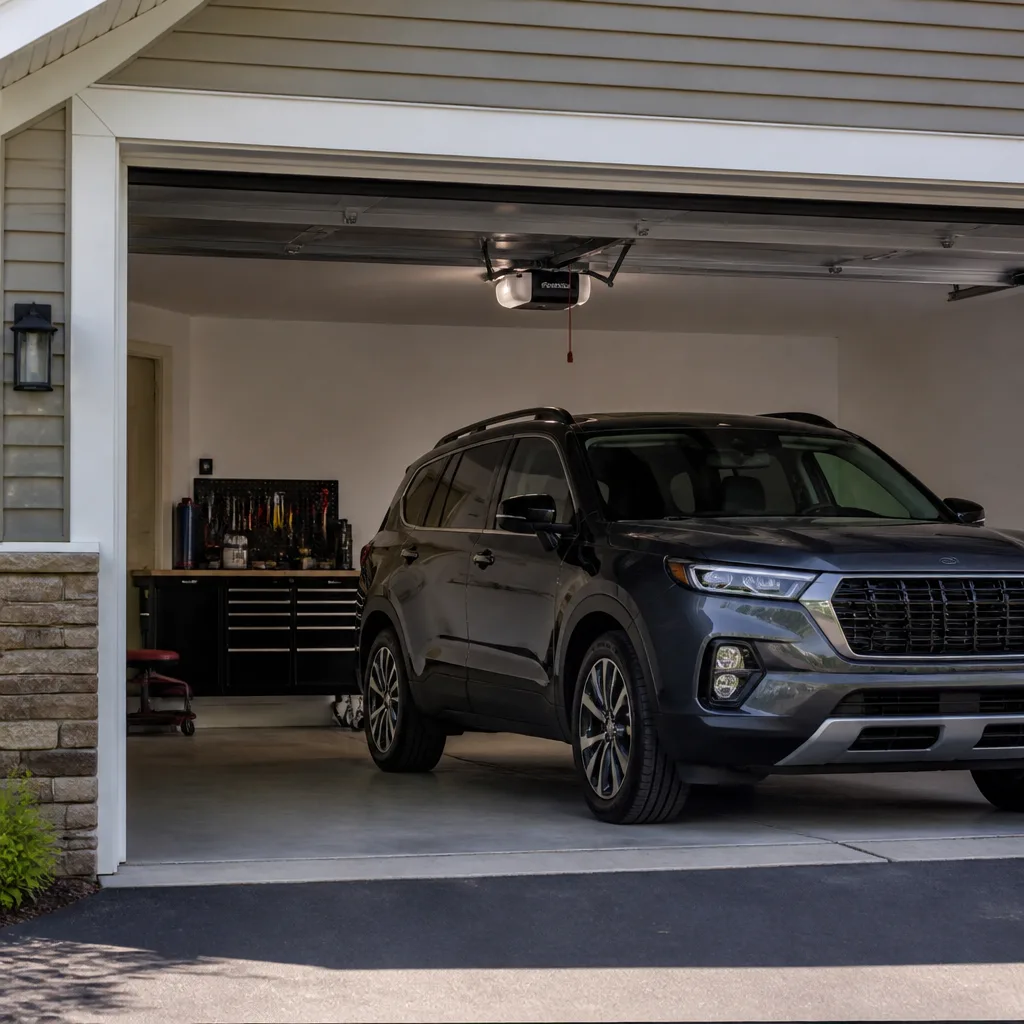 LiftMaster openers
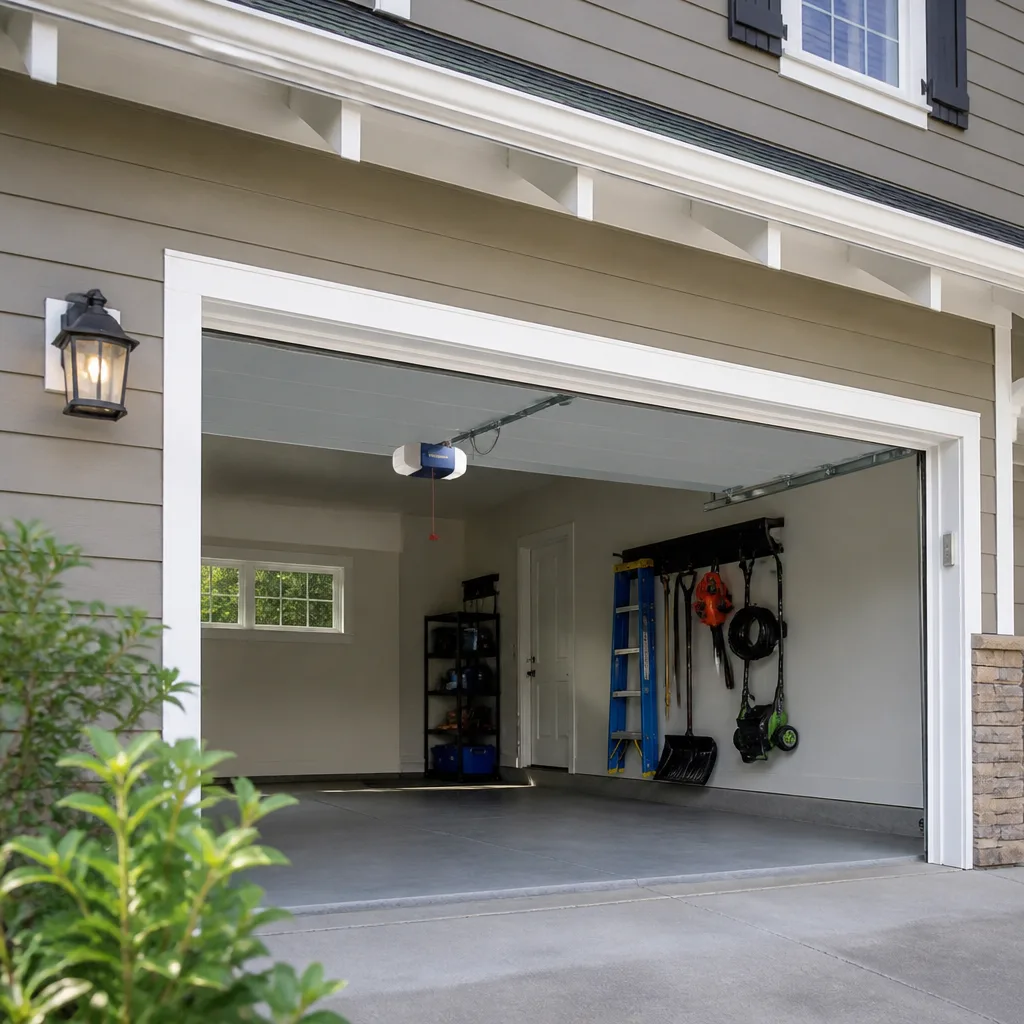 Chamberlain openers
Full 25-point door and opener safety check with every visit - springs, cables, rollers, tracks, and your LiftMaster or Chamberlain opener included
You get a price before we start. It does not change when the pro arrives.
Get your free estimateHow to Hire a Garage Door Contractor in Beaumont: A Step-by-Step Guide
Most homeowners hire a garage door contractor the way they hire a tow truck: something breaks, they call the first number they find, and they hope for the best. That works for a tow. It does not work for a torsion spring carrying enough stored tension to bend steel. In Beaumont, the market makes this harder, because it fills with generalists and storm-chasers after every major weather event, and a garage door looks simple enough that almost anyone will quote it. This guide walks you through how to verify a contractor’s credentials, read a written estimate properly, ask questions that separate experienced technicians from order-takers, and spot the red flags that show up in this part of Southeast Texas.
Quick Answer
To hire a garage door contractor in Beaumont, verify their licensing and insurance through the Texas Department of Licensing and Regulation and the Texas Department of Insurance, confirm they specialize in garage doors rather than general handyman work, and insist on a written estimate that lists part brands, labor terms, and disposal before any work begins. Skip anyone who knocks on your door unsolicited, quotes in cash only, or promises to install a new door faster than a permit can be pulled.
Styles & brands we work with
- Raised-panel steel
- Carriage house
- Modern flush
- Full-view glass
- LiftMaster openers
- Chamberlain openers
Table of Contents
- Step 1: Verify Licensing and Insurance in Under Five Minutes
- Step 2: Choose a Specialist Over a Generalist
- Step 3: Recognize the Post-Storm Contractor Surge
- Step 4: Read the Written Estimate Line by Line
- Step 5: Ask the Questions That Reveal Experience
- Step 6: Understand What Makes Garage Door Work Dangerous
- Common Mistakes to Avoid
- When to Call a Professional
Step 1: Verify Licensing and Insurance in Under Five Minutes
Verification is the single fastest filter you have. It takes minutes, and it eliminates most of the wrong contractors before you’ve spent a dollar or invited anyone into your garage. Texas does not license garage door installers under a separate trade classification, so the check has a couple of moving parts. Start with the Texas Department of Licensing and Regulation’s online license search. Any contractor offering structural or electrical work tied to your door or opener should show a current, active license, and you should confirm the name on the license matches the name on the estimate and the company’s signage.
Then move to the Texas Department of Insurance. Ask the contractor for a certificate of general liability insurance naming their business, then call the number on the certificate to confirm the policy is active and the coverage dates include the day of your job. Do the same for workers’ compensation coverage. The fields you’re looking for:
- Business name and license number – does the name on the license match the one on the estimate?
- License status – “Active” is the only acceptable entry, not “Expired” or “Pending”.
- Insurance carrier and policy number – confirm with the carrier, not just the folder.
- Policy effective and expiration dates – the job must fall inside them.
- Coverage type – general liability for property damage, workers’ comp for injuries on your property.
Any contractor who hesitates to give you this information, or tells you it’s “not necessary” for a two-hour spring job, has just told you everything you need to know. A legitimately licensed and insured contractor in Beaumont will hand these documents over without a fight, because they know a homeowner asking is a homeowner protecting themselves, and they’ve been asked a hundred times.
Step 2: Choose a Specialist Over a Generalist
Generalist home-service companies quote garage doors on the way to their next job. They’re not bad people. They’re just spread across plumbing, siding, drywall, and a rotating list of trades, which means their working knowledge of torsion springs, cable drums, opener logic boards, and bottom-seal tolerances is thinner than that of a company whose entire day is spent on doors. For a panel replacement or a hinge adjustment, that may be fine. For high-tension spring and cable work, the difference matters.
Here’s why specialization changes the job. Torsion springs are wound with a torque load specific to your door’s weight and height. A replacement spring has to be matched to that load, and the cycle rating of the spring you install determines how long it lasts. A technician who works on garage doors every day carries a mental catalog of those ratings across brands. They’ll recognize that a panel on an Amarr door needs different hardware than the equivalent on a Clopay, or that a LiftMaster opener and a Chamberlain unit share electronics but differ in wall-control wiring. That’s the value of single-trade focus: accurate diagnosis and the correct parts the first time, instead of a guess-and-try approach.
Ask a direct question on the phone: “What percentage of your work is garage doors?” If the answer is under half, consider it a red flag for spring and opener work. A dedicated specialist exists to diagnose, repair, and install garage doors, and that’s the entire job description. Our technicians at Lantern Garage Door Repair have up to 9 years of experience working exclusively on doors and openers, which is the reason our diagnostic work moves as fast as it does.
Step 3: Recognize the Post-Storm Contractor Surge
Beaumont sits in a part of the Gulf that gets hit hard by weather, and after any major storm the contractor landscape changes overnight. Crews from out of state appear with magnetic signs on rented trucks. Door-to-door salespeople knock with clipboard quotes. Cash-only bids get offered for “next-day install” with no paperwork. Some of these people are legitimate and just passing through to help. Many are not, and the homeowner bears the risk when the truck pulls out of Jefferson County and the door stops working a month later.
The red flags unique to this environment are worth memorizing:
- Unsolicited door-to-door solicitation. A reputable specialist doesn’t need to knock on doors after a storm. They’re booked from the calls that already came in. Someone who approaches you first is selling, not diagnosing.
- Cash-only bids. Cash leaves no paper trail, no written warranty, and no leverage if the work fails. Any legitimate contractor accepts a check or card and provides a receipt.
- An install timeline that skips the permit. Most cities require a permit for structural work on a garage door opening, and any contractor willing to skip that step to save a few days is also willing to skip correct hardware, proper anchoring, and disposal.
- No local business presence to verify. A physical address you can look up, a business phone number that isn’t a cell, and a license that traces to the company name all matter. A storm-chaser has none of these.
- Pressure to sign “today”. Real estimates hold. A contractor who says the price expires in an hour is telling you the price isn’t real.
None of this means you should distrust every unfamiliar face in Beaumont. It means you should verify first, and verify fast, before anyone gets near your spring system.
Step 4: Read the Written Estimate Line by Line
A written estimate is not a favor to you. It’s the document that protects you from an invoice three times the verbal quote. The vague version you’ll see from some contractors says nothing more specific than “replace spring – $X” with a phone signature. The detailed version tells you exactly what’s happening to your door.
Here’s what a legitimate written estimate must include in Beaumont:
- Parts origin and brand. Which spring, which opener, which panel. If your door is a Clopay or an Amarr, the replacement hardware should match the manufacturer’s spec, not a universal substitute sourced from a bin.
- Labor warranty. How long the installation labor is covered, in plain language. A week? A month? The written term matters more than the handshake.
- Cycle rating on springs. Replacement torsion springs come in different cycle ratings. The estimate should state which one is being installed, because a higher cycle rating costs more upfront and lasts dramatically longer.
- Disposal of old hardware. Springs, cables, panels, and old openers don’t disappear on their own. Confirm whether removal and haul-away is included or billed separately.
- Line-item pricing. Not a single lump sum. Each part, each labor task, and the disposal line should be visible.
- Written price confirmation. The price quoted should be the price charged. Any contractor who hedges with “we’ll see what we find” is signaling a potential invoice surprise.
At Lantern Garage Door Repair, we give you a clear diagnosis and the plain-language explanation of what failed, what it takes to fix it, and what it costs before any work is approved. You don’t sign until you understand the document. If a contractor’s estimate is too vague to read line by line, that’s your cue to get a second opinion. You can also ask about garage door repair on a specific brand, since a specialist should be able to tell you the correct part spec without looking it up.
Step 5: Ask the Questions That Reveal Experience
The questions you ask on the phone tell you more than any review count on a website. An order-taker will read a script. An experienced technician will answer with detail, and will correct you when your premise is wrong, which is the single best sign you’ve found someone who knows what they’re doing.
Try these and listen for the specifics:
- “What cycle rating are you proposing for my replacement spring?” A real technician will ask you the door’s weight and height and tell you what rating makes sense for how often you use the door.
- “What’s the track gauge on my door?” Track gauge is a standard measurement of steel track thickness, and it affects how the door performs over time. A specialist knows it matters; a generalist will blink.
- “Will my existing opener handle a door this weight?” Opener horsepower has to match the door it’s lifting. A heavier replacement panel on a marginal opener burns out the motor, and a contractor who doesn’t ask the question is setting you up for a second repair.
- “Do you service the manufacturer of my door and opener?” A specialist can name the brands they work on. If your door is a Wayne Dalton or a Raynor and the contractor has never heard of it, that’s information.
- “What’s your warranty on parts and labor, in writing?” A timeframe and a document. Not “we stand behind our work”, which is a phrase, not a commitment.
- “Is a permit required for this job, and who pulls it?” A specialist will know the local requirement and tell you who’s responsible for it in writing.
If you’re being asked about an opener specifically, this is a good time to look at garage door opener repair options, since opener specialists and door specialists aren’t always the same conversation. Our work at Lantern covers both, including LiftMaster, Chamberlain, and Genie systems where drive logic and wall controls matter. It’s also worth asking a general contractor what happens if the diagnosis is wrong and the door has to come back down.
Step 6: Understand What Makes Garage Door Work Dangerous
This is the section most hiring guides skip, and it’s the one that matters most. A garage door’s torsion spring holds stored mechanical energy equal to a serious injury if it releases incorrectly. The cables are under tension. The bottom brackets carry load. A person with a winder and a ladder can physically attempt to replace a spring. That doesn’t mean they should, and it doesn’t mean the job was done correctly if the door happens to open afterward.
We don’t walk homeowners through DIY spring replacement, and we won’t pretend it’s a safe weekend project. What you can safely do is recognize the signs that a professional is needed: a torsion spring with a visible gap in the coil, a door that hangs crooked or comes off its track, a cable that’s slipped or snapped, or an opener that runs but doesn’t lift the door. Any of these is a call to a trained technician, not a tutorial.
For the contractor side, ask how they handle spring work. A specialist will talk about weight-matching, cycle rating, and controlled release. A generalist will talk about “just swapping the spring”. The difference in vocabulary reflects the difference in how the job gets done. In Beaumont, where humidity is high and hardware stays exposed to the Gulf climate in a lot of open garages, springs and cables should be inspected for corrosion every year or two. The high-tension component is not the place to save a few dollars on a bad install.
Common Mistakes to Avoid
- Hiring the first number you find. A dead opener feels urgent, but fifteen minutes of verification is worth more than saving an hour. The wrong contractor will cost you a second repair and a second bill.
- Accepting a verbal quote. If it isn’t written down with brand specs, labor terms, and disposal, it isn’t a quote. It’s an opening number, and the final invoice can land anywhere the contractor decides.
- Skipping the permit question. In Beaumont, structural work on a garage door opening usually needs a permit. Ask your city’s building department if you’re unsure, and never accept a contractor’s assurance that a permit “isn’t needed for this”.
- Ignoring the cycle rating on replacement springs. A cheap spring that fails in two years costs more than the right spring installed once. Confirm the rating in the estimate before you approve the work.
- Hiring a generalist for spring or cable work. The high-tension component of a garage door is where specialization pays for itself. A handyman who does mostly drywall doesn’t have the working knowledge to match a spring to the door’s load.
- Falling for a door-to-door quote after a storm. Beaumont’s contractor surge after major weather events is a real risk. Verify licensing and insurance before anyone touches your door, regardless of how helpful they seem.
- Letting a contractor talk you out of a warranty in writing. A legitimate contractor will put the parts warranty and the labor warranty in the estimate. If they won’t, that’s the warranty you don’t have.
When to Call a Professional
Some garage door issues are cosmetic, and some are dangerous. Call a professional immediately when a torsion spring has visibly broken or separated, when a door hangs crooked or has come off its tracks, when a door opens under manual lift but won’t rise with the opener, when you hear a loud crack from the torsion bar, or when the door reverses or stops midway on its own. Each of these can signal a high-tension or opener-control failure that gets worse if ignored. For a routine tune-up, a noisy door, or a fresh panel replacement, the question is less urgent but the answer is the same: use a contractor who specializes in doors and can give you a written estimate before work begins.
Lantern Garage Door Repair offers free estimates in Beaumont. Call (833) 549-9776. We answer 24/7. Fast dispatch from 7am to 7pm, Sunday through Friday. Estimates are free, the price is quoted before any work starts, and it’s set by the written estimate.
See the difference
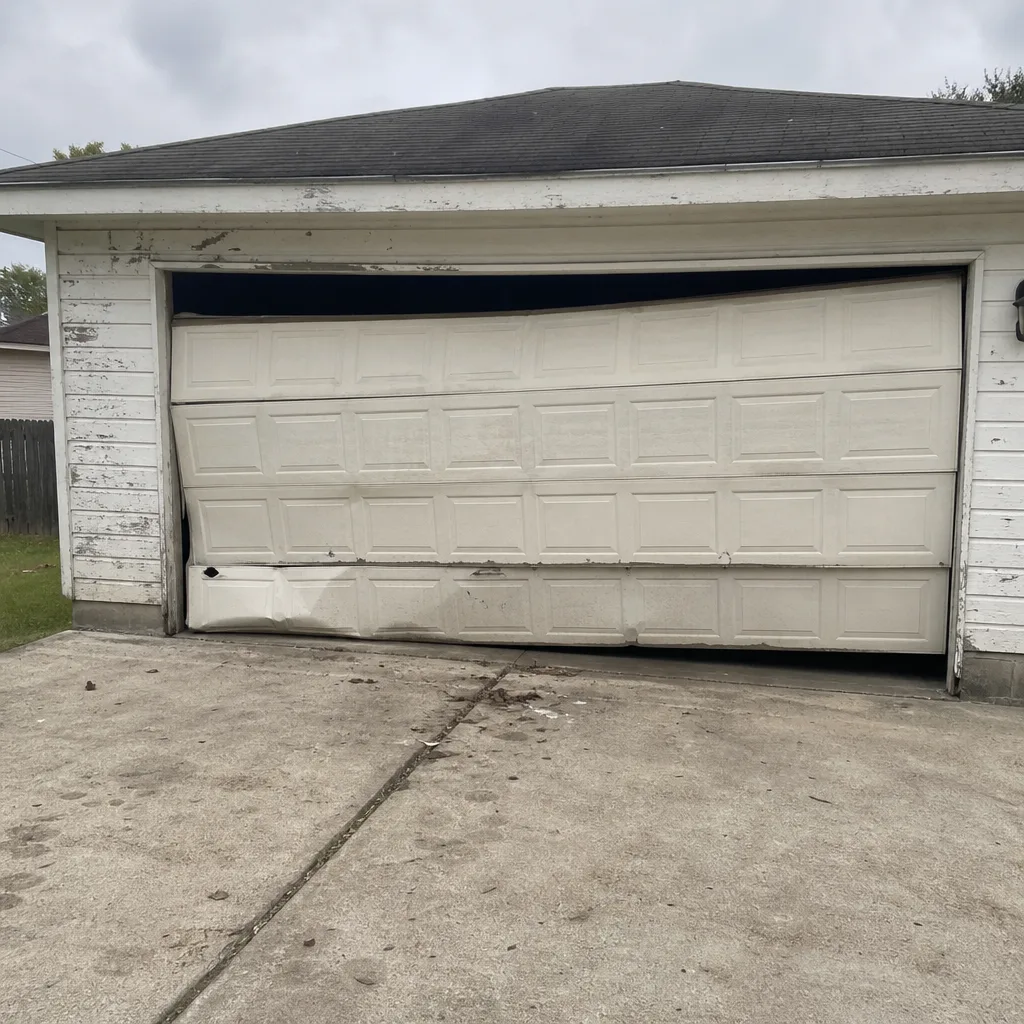 Before
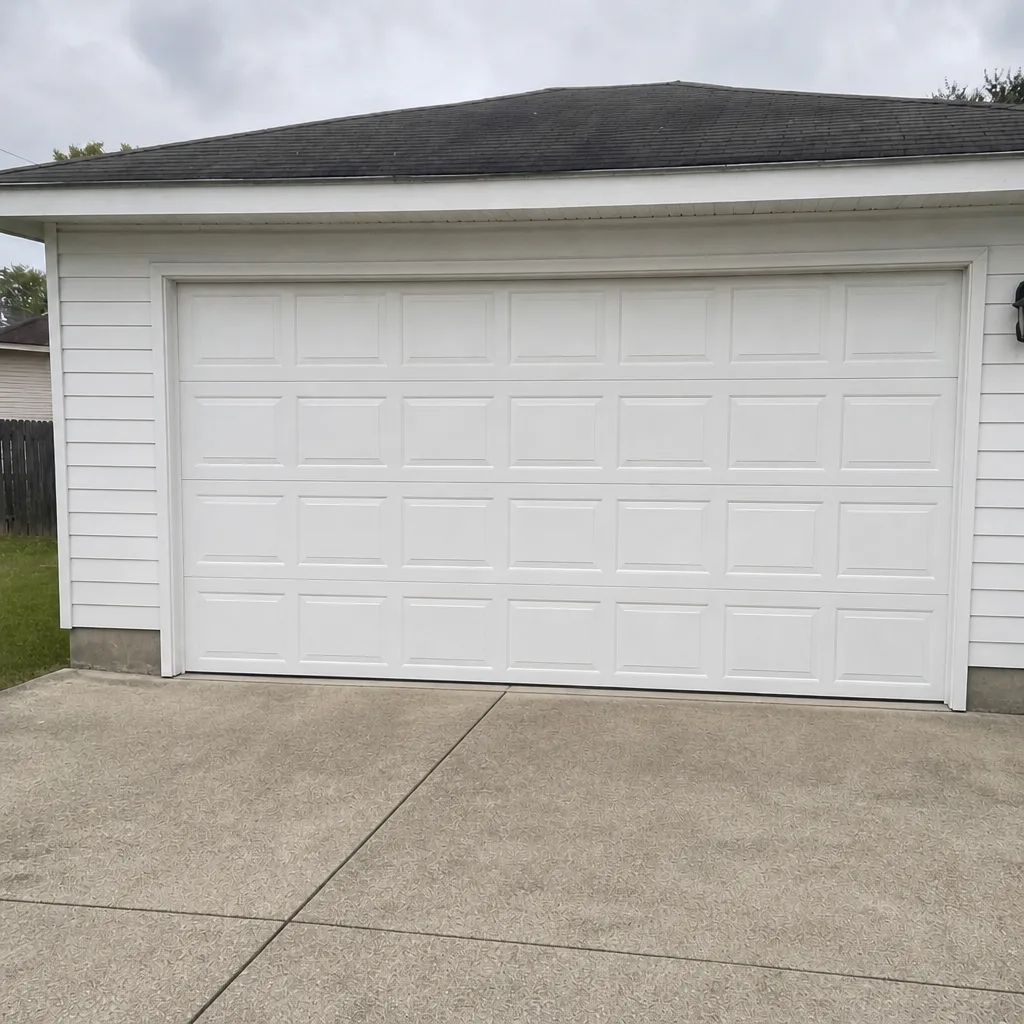 After
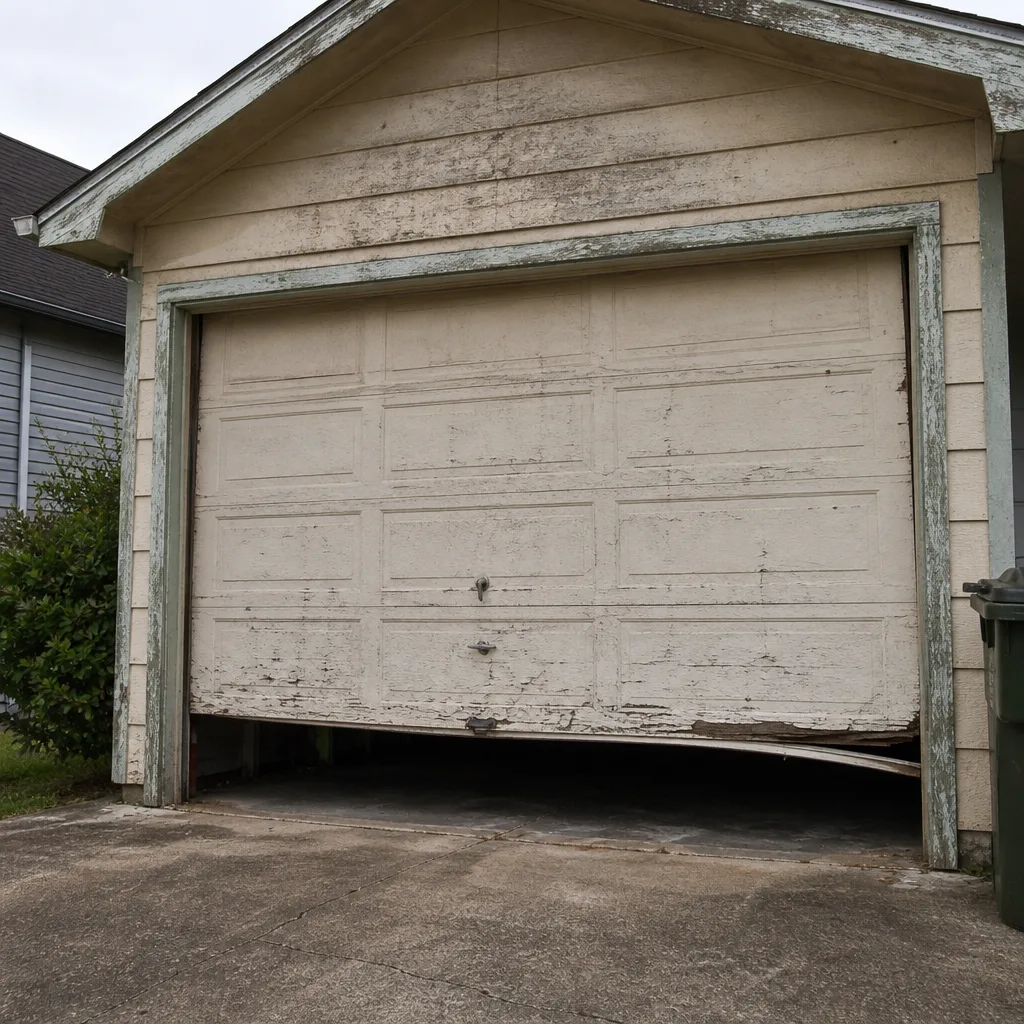 Before
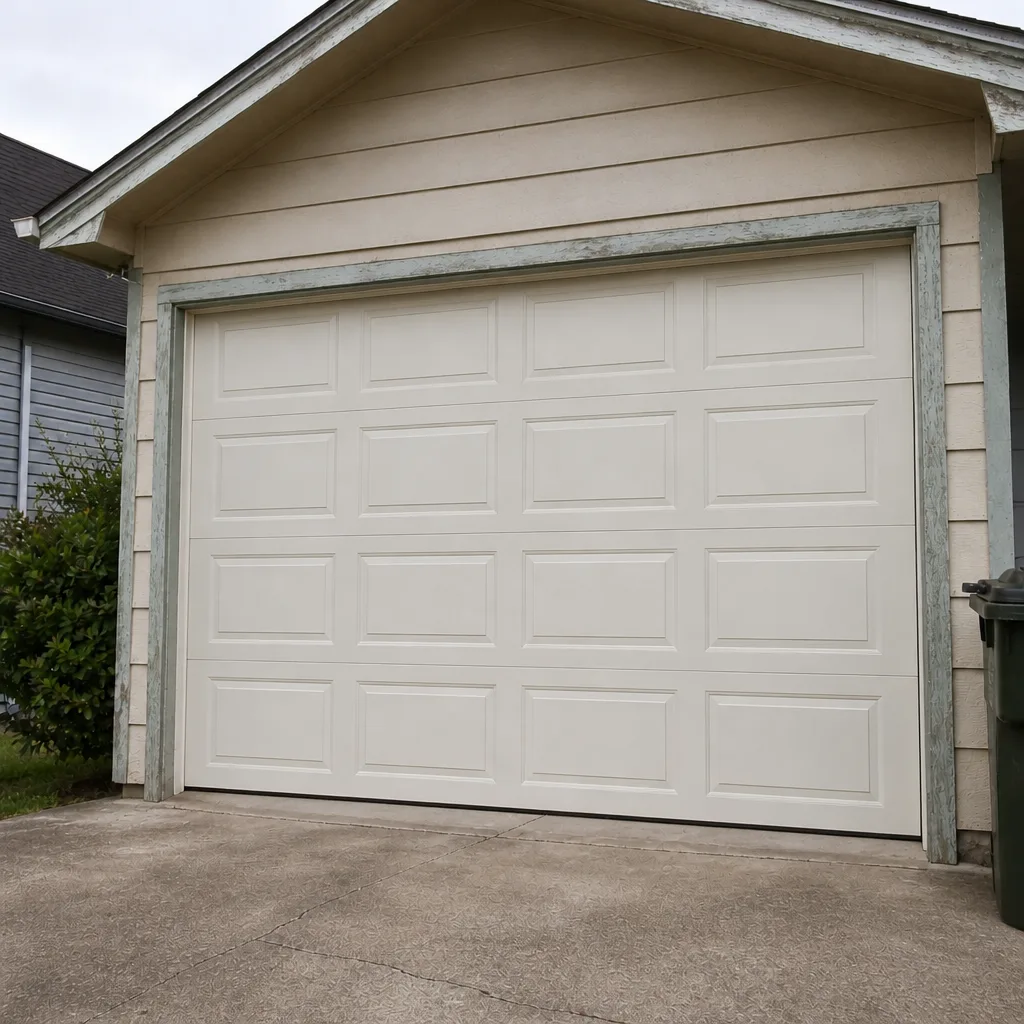 After
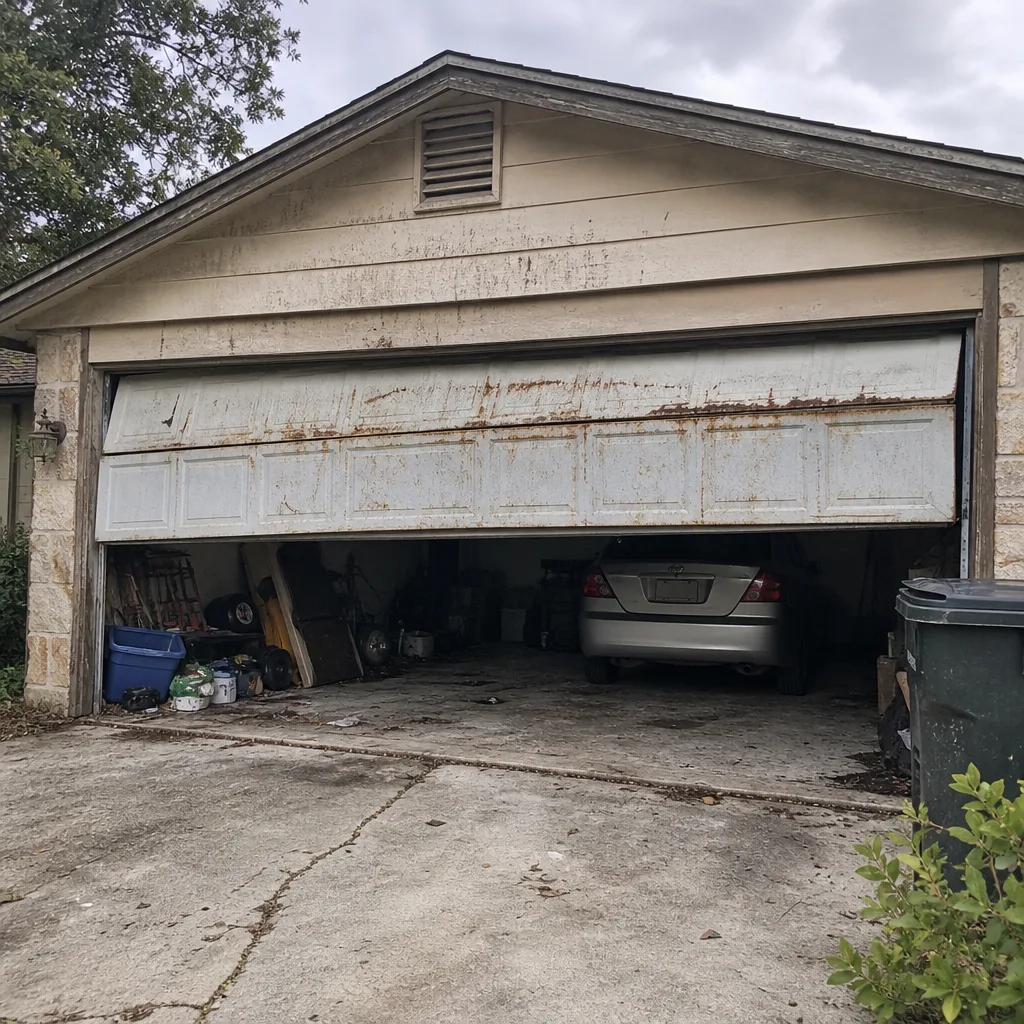 Before
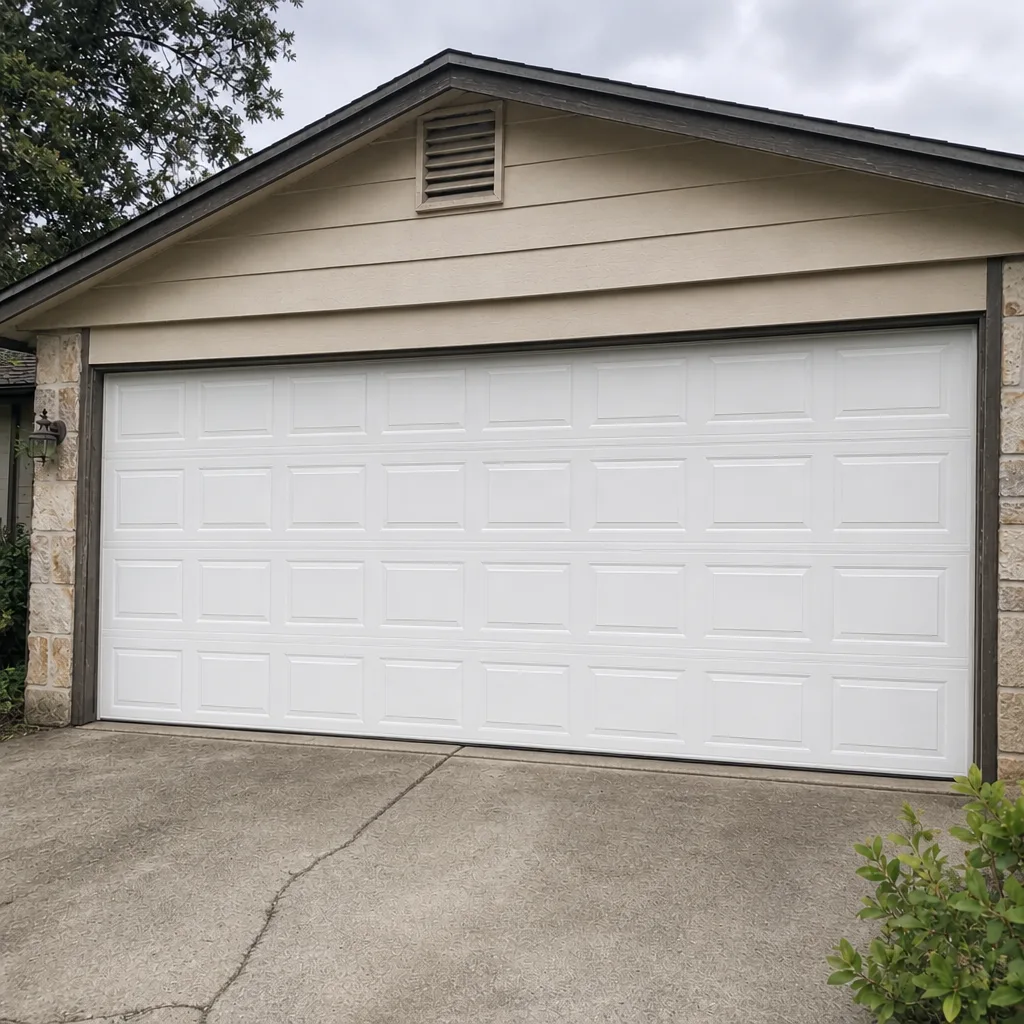 After
Frequently Asked Questions
Look up the contractor’s license on the Texas Department of Licensing and Regulation’s online search, confirm the license status is active, and call the number on their insurance certificate to verify the policy is current. Match the business name on the license, the certificate, and the estimate to confirm they’re the same company. Any contractor who hesitates to give you these documents is one to skip. Call (833) 549-9776 for an exact quote – estimates are free.
Yes, for spring and cable work. A dedicated garage door specialist works on torsion springs, cycle ratings, and weight-matched hardware daily, while a generalist spreads their working knowledge across many trades. The high-tension component of your door is not the place to save on labor. If the diagnosis is wrong or the spring is mismatched, you’ll pay twice.
Unsolicited door-to-door solicitation, cash-only bids, an install timeline that skips a permit, no verifiable local business presence, and pressure to sign “today”. These patterns show up in Beaumont after major weather events. Verify licensing and insurance before you engage, regardless of how helpful the salesperson seems.
Parts brand and origin, labor warranty terms, the spring cycle rating, disposal of old hardware, line-item pricing, and a written confirmation that the quoted price is the final price. Not a lump sum with a verbal explanation. If the estimate is too vague to read line by line, that’s the contractor’s problem to solve, not yours.
Yes. A torsion spring stores serious mechanical energy, and an incorrect release can cause injury. We don’t recommend DIY spring replacement, and we don’t provide step-by-step instructions that could put you at risk. Call a trained technician, and use a specialist for the job. Call (833) 549-9776 for an exact quote – estimates are free.
Most cities require a permit for structural work on a garage door opening, and Beaumont follows that pattern in many cases. Ask your city’s building department directly for the requirement on your address, and confirm in writing that the contractor is responsible for pulling it. Never accept a contractor’s assurance that a permit “isn’t needed” without verifying it yourself.
The Bottom Line
Hiring a garage door contractor in Beaumont comes down to verification and specificity. Verify licensing and insurance in the first five minutes, choose a specialist over a generalist for anything involving springs or cables, and treat a post-storm knock on your door with suspicion until the paperwork proves the contractor deserves your trust. Read the written estimate line by line. Confirm the brand specs, the cycle rating, the labor warranty, and the disposal terms before any work begins. The price you agree to is the price you pay, and the diagnosis you’ll accept is the one you’ll live with for the next ten years. These steps don’t take long. They just need to happen before anyone picks up a wrench.
If you’d like a straight answer on your own door, Lantern Garage Door Repair is a specialist working in Beaumont and across the surrounding area, on equipment from eight major manufacturers. Call (833) 549-9776. We answer 24/7. Fast dispatch from 7am to 7pm, Sunday through Friday, and free estimates before you commit to anything. Whether your LiftMaster opener is grinding or your Clopay panel took a hit, we’ll walk you through exactly what failed and what it takes to fix it, back in working order. You can also start from our Lantern Garage Door Repair page to see the full service scope in one place.
Written by the team at Lantern Garage Door Repair.