
Last updated November 14, 2026
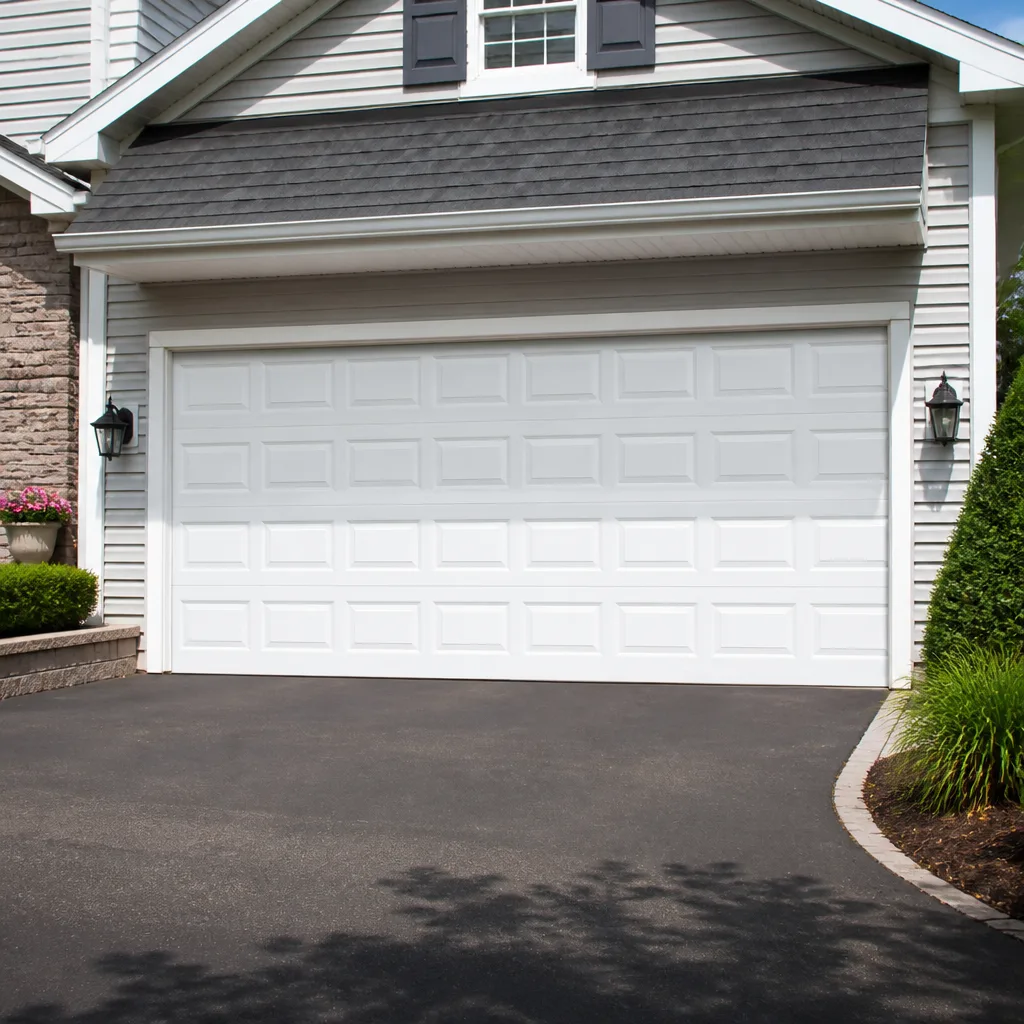 Raised-panel steel
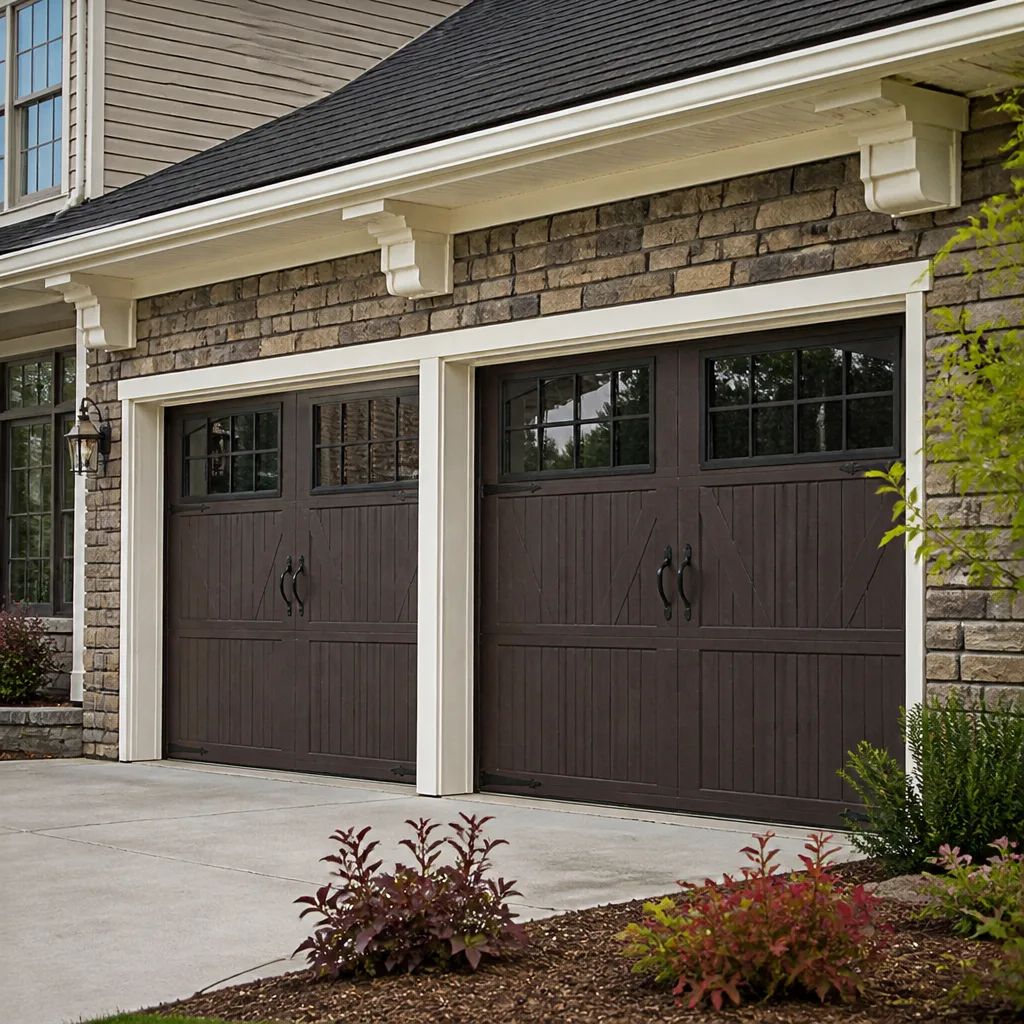 Carriage house
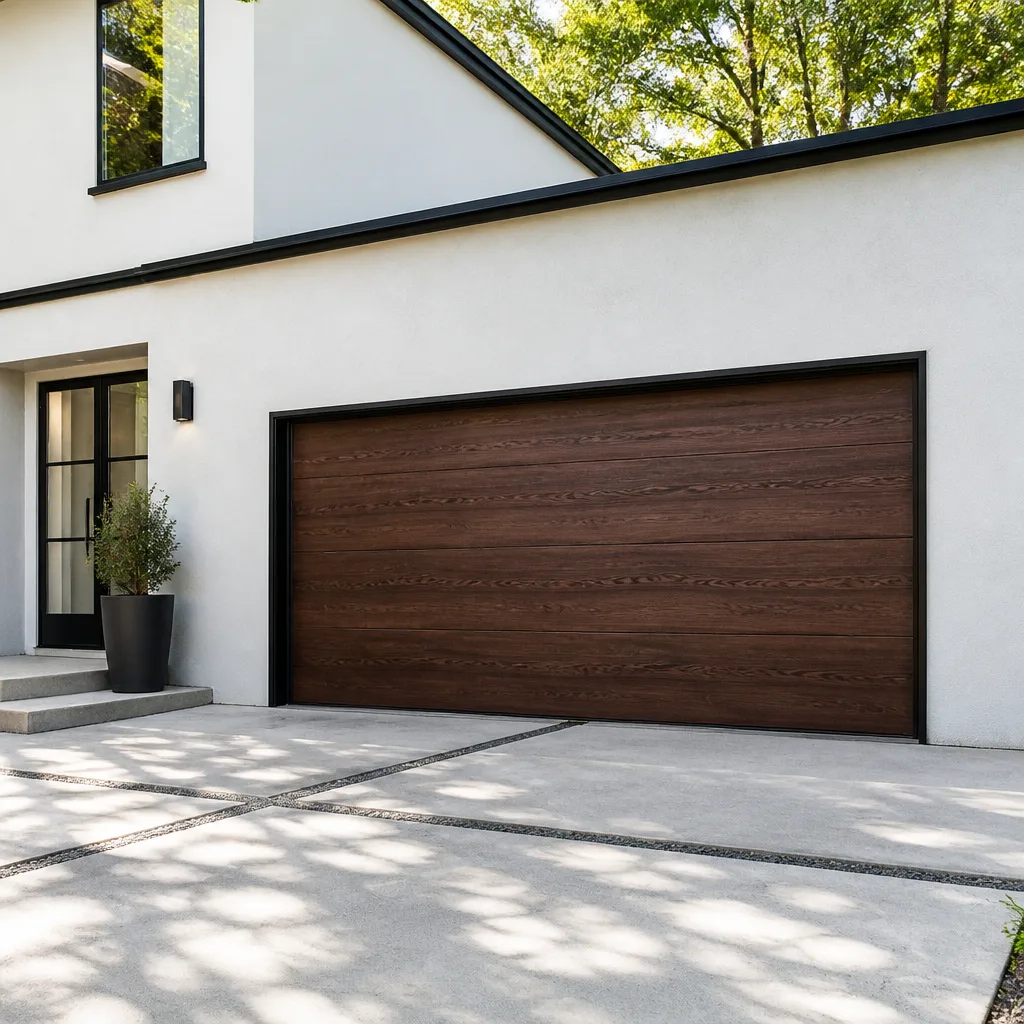 Modern flush
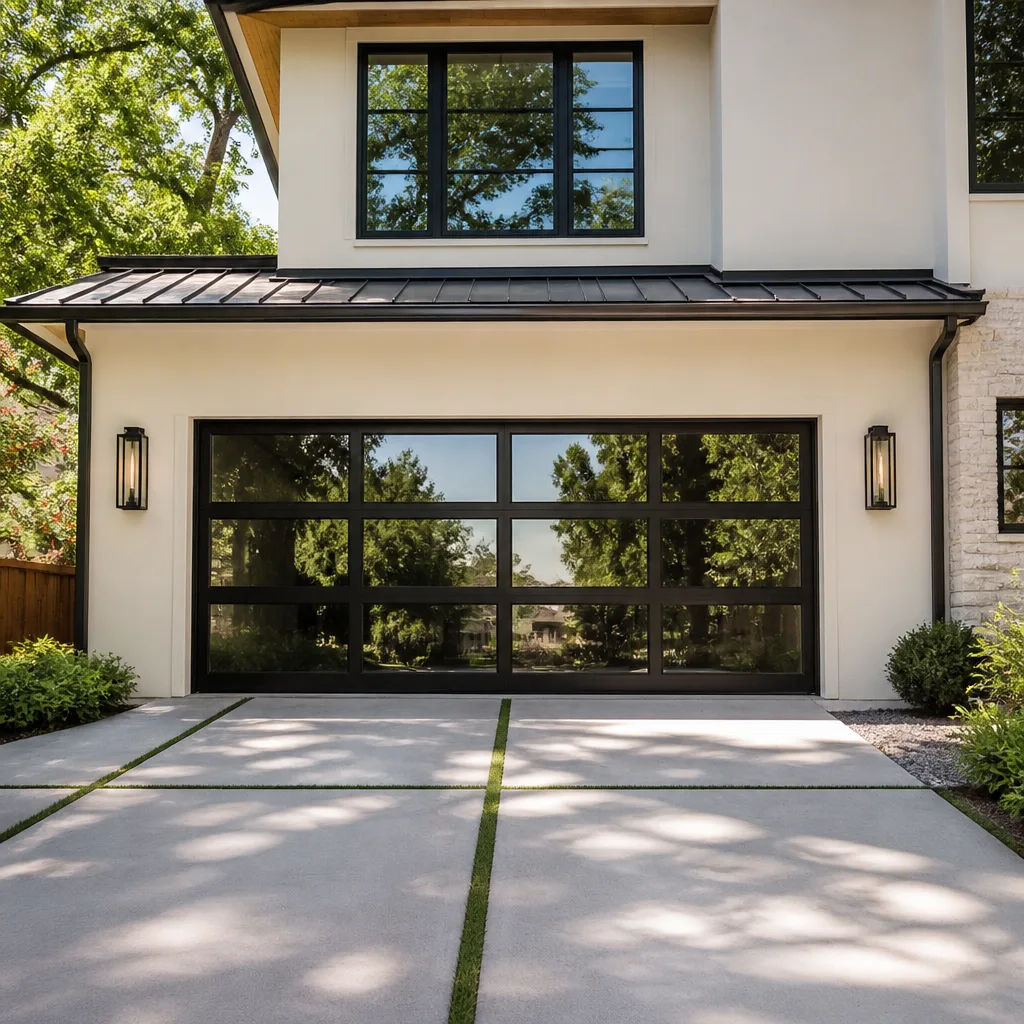 Full-view glass
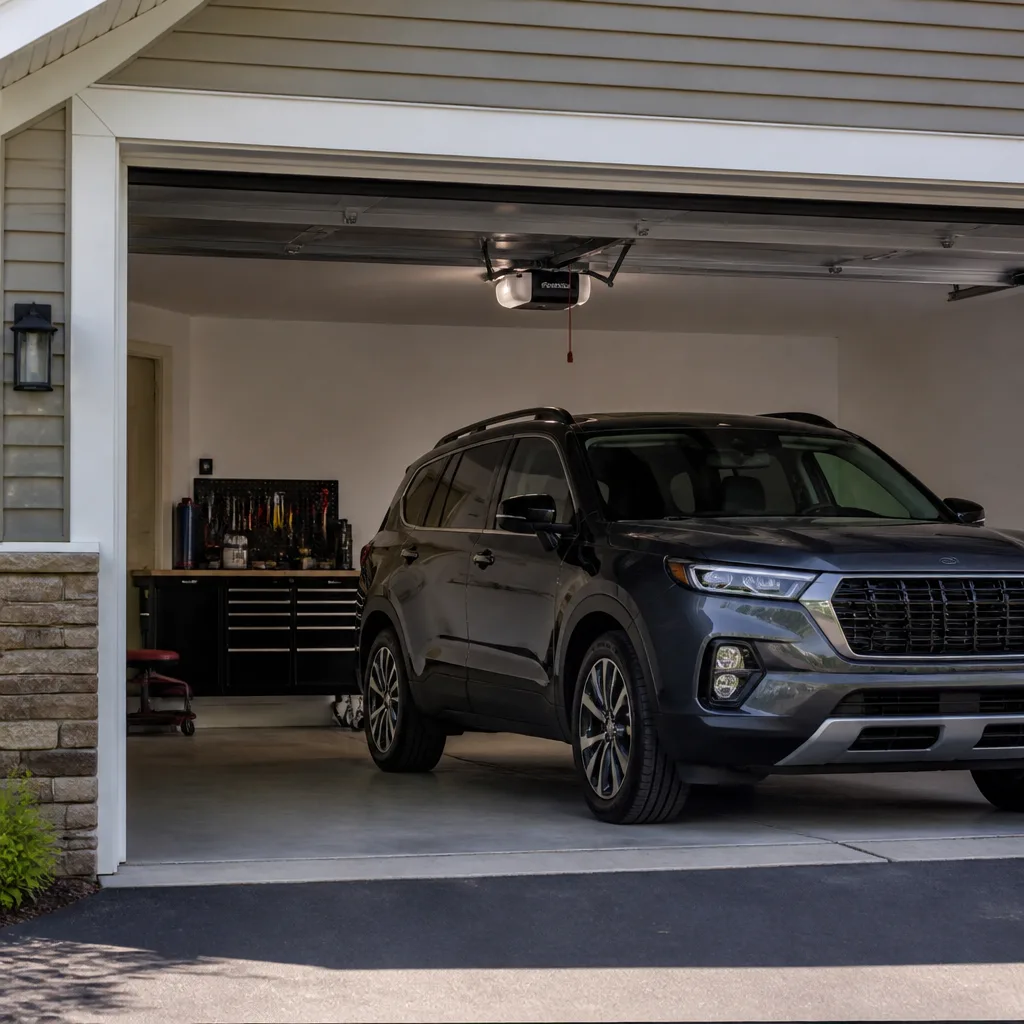 LiftMaster openers
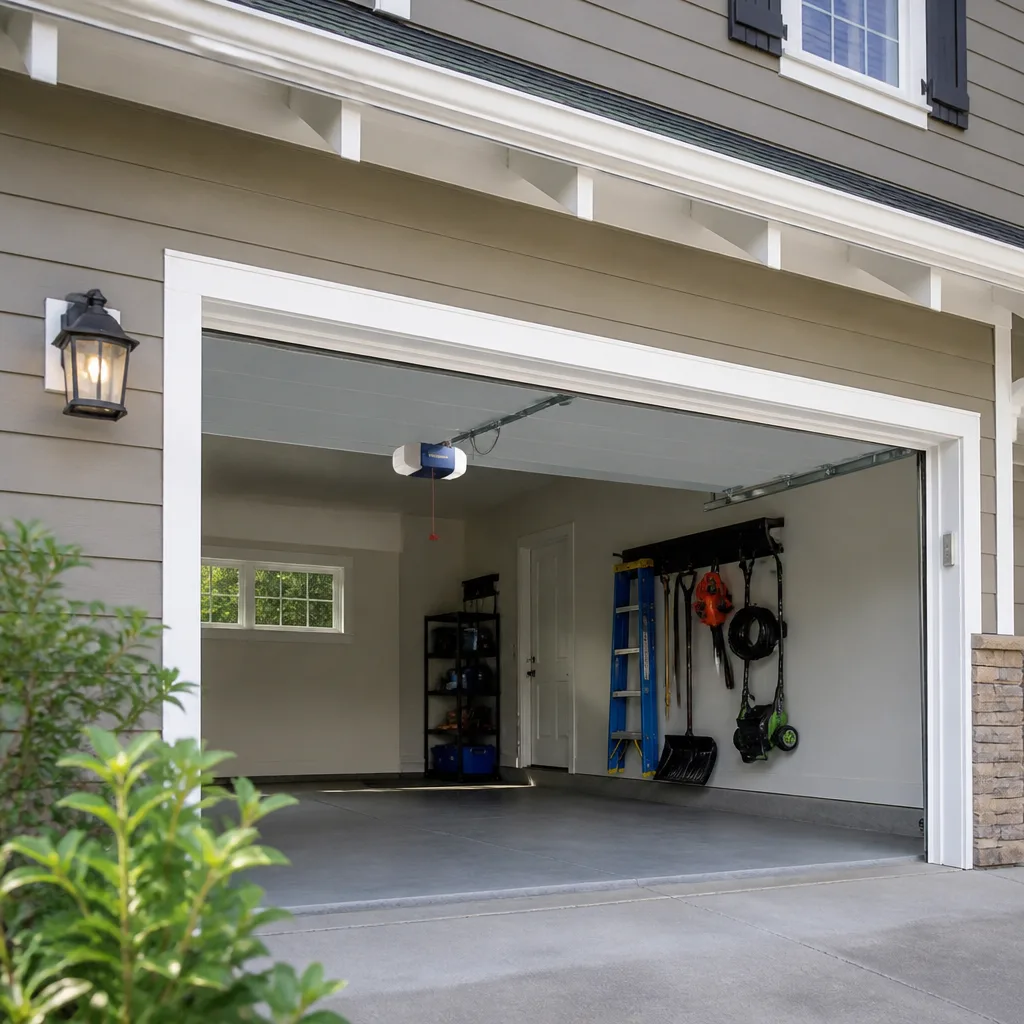 Chamberlain openers
Full 25-point door and opener safety check with every visit - springs, cables, rollers, tracks, and your LiftMaster or Chamberlain opener included
You get a price before we start. It does not change when the pro arrives.
Get your free estimateGarage Door Repair Maintenance Schedule: What to Do and When
Most homeowners assume a garage door fails in the dead of winter, when the coldest air puts the hardest stress on metal and springs. Around Beaumont, that’s backward. The month we see the most door failures isn’t January, it’s October, when summer’s long accumulation of heat stress meets the first rapid cool-down of fall. A door that limped through August often gives out the first week the temperature drops. The difference between a door that fails in October and one that just keeps working comes down to timing: maintenance done on the right month, not a generic annual tune-up copied from a national checklist. This guide lays out a full-year maintenance schedule built around Southeast Texas conditions, from pre-hurricane-season checks in Beaumont to the humidity tasks most schedules skip entirely.
Quick Answer
A Beaumont garage door needs attention on a seasonal loop, not once a year: a spring inspection and lubrication in early spring, a pre-hurricane-season safety and balance check before June, a post-summer heat inspection in September, and humidity and hardware checks through the fall and winter. Monthly, you should listen for new sounds, look for worn rollers, and test the safety reverse. The single most important rule is that springs, cables, and the torsion assembly are professional territory; everything on this schedule you can do yourself involves the door’s surface, its moving parts, and careful observation, never the parts under tension.
Styles & brands we work with
- Raised-panel steel
- Carriage house
- Modern flush
- Full-view glass
- LiftMaster openers
- Chamberlain openers
Table of Contents
- Why Generic Maintenance Schedules Miss the Mark in Beaumont
- The Month-by-Month Calendar for Southeast Texas
- What You Can Safely Check Yourself (and What You Can’t)
- Choosing a Lubricant That Survives Gulf Coast Humidity
- Storm Season Prep and Post-Storm Inspection
- The Cost of Maintenance Versus the Cost of Waiting
- Common Mistakes to Avoid
- When to Call a Professional
Why Generic Maintenance Schedules Miss the Mark in Beaumont
Search for a garage door maintenance schedule and you’ll find the same advice on hundreds of sites: check your door once a year, oil the springs, call someone if it breaks. That schedule was written for a national average, and Beaumont isn’t a national average. The combination of long humid summers, frequent heavy rain, and repeated heat cycling puts different wear on different components than a place with a dry climate or a long cold season.
Here’s what that means in practice. Heat expands the metal track and can shift the alignment of rollers and hinges over a summer. Humidity accelerates corrosion on any unpainted hardware and can affect the way lubricant behaves. And storm season, which runs through the late summer and early fall, adds a specific stress test that a once-a-year schedule never accounts for. A door in Beaumont is working under conditions that a door in a mild, dry climate simply isn’t.
The consequence is that the standard “annual tune-up” is too little, too late. A garage door here needs a spring check, a summer heat inspection, and a fall transition inspection that most national checklists never mention. That’s the whole reason we built this schedule around the local calendar instead of a generic one.
It’s also worth knowing what you’re dealing with at the hardware level. Whether your Clopay or Amarr panel door has spent years in the local humidity, or your Chamberlain opener is the equipment doing the daily lifting, the timeline for wear is the same: it follows the seasons, and it follows the door, not a calendar on a website. Our technicians have up to 9 years of experience, and the pattern we watch for most closely is the October cliff that follows a long summer.
The Month-by-Month Calendar for Southeast Texas
This is the core of the guide: a full year of checks sequenced around the seasons in Beaumont. You don’t have to do all of these yourself; the point is knowing what happens when. If you’d rather have a specialist run the professional-level checks, that’s what a garage door repair visit is for. Here’s the calendar.
January to February: Post-Winter Hardware Inspection
Mild winters are forgiving, but the transition from fall to winter is when hardware that loosened over summer tends to show up. Walk the length of the track on both sides and look for loose bolts on the brackets. Check that the door opens and closes smoothly and quietly. This is also a good time to inspect the weather seal along the bottom edge for cracking.
March to April: The Spring Inspection and Lubrication
This is the most important window in the year. Before the first real heat arrives, check the door’s balance and listen for spring noises. Apply lubricant to hinges, rollers, and the torsion bar bearings (never the springs themselves if you’re not sure; more on this in the lubrication section). Look at the rollers for flat spots or cracks. If anything feels off about the balance, that’s the point to book a professional check, because heat will only make it worse.
May: Pre-Hurricane-Season Safety Check
Before June, run through the full safety checklist. Test the reverse mechanism with a small object under the door. Make sure the photo-eye sensors at the bottom of the tracks are clean and aligned. Check the emergency release and confirm you can operate it. Confirm the door’s anchors and track brackets are tight, since storm season is when a loose bracket becomes a real problem.
June to August: The Monthly Heat Watch
During these months, a quick monthly check is the right cadence. Look at the track alignment; heat expansion can cause the door to shift slightly and begin rubbing. Listen for new grinding or squealing. If your door has a manual lock, this is also the season to make sure it isn’t binding. August is when the accumulated stress is at its peak, which is why October is the failure month: the door, not the weather, tells you when it’s been pushed too far.
September: The Post-Summer Inspection
This is the check most homeowners miss. Go over the door’s balance and lift carefully. Look for signs of heat damage on the rollers. Check the springs for visible wear, and check the cables for fraying (without touching them; just look). If the door feels noticeably heavier to lift or sounds different than it did in May, this is the time to catch it, before the October cool-down.
October to November: The Cool-Down Adjustment Check
As temperatures drop, the door’s balance can shift again. Re-check the safety reverse and the fasteners. Pay attention to the bottom weather seal, which often hardens in the cooler air and can let water in. If you’ve followed the schedule this far, this is the month that prevents the failure.
December: The Winter Humid-Window Check
Beaumont’s humidity doesn’t fully let up in winter, and the cool months are when you’ll notice any corrosion on hardware that the summer masked. Wipe down exposed brackets and hinges, and make sure the track isn’t accumulating debris. This is a quieter month: a walk-around, a listening test, and a visual pass are enough.
What You Can Safely Check Yourself (and What You Can’t)
Some of the schedule is yours to do. Some of it is not worth the risk, and pretending otherwise would be irresponsible. Here’s the line, drawn clearly.
The Safe Checks
These are the tasks any capable homeowner can do without special training. They involve observation and routine care, not working on parts under tension.
- Test the safety reverse. Place a small object under the closing door and confirm it reverses. This is the single most important safety check you do.
- Check the balance by hand. With the door in the open position, use the emergency release to disconnect the opener. Then, with the door about halfway up, let go carefully. If it stays where you put it, the balance is fine. If it drops on its own, the springs are no longer doing their job.
- Inspect the track visually. Look for dents, bends, or debris. Never attempt to bend a track back into shape yourself; that’s a job for someone with the right tools.
- Look at the rollers and hinges. Visible cracks, flat spots, or rust on the rollers mean replacement. Don’t try to remove a hinge to inspect it further.
- Check the weather seal. Run a hand along the bottom edge. A brittle seal should be replaced, but don’t try to pull it off without the right replacement on hand.
The Line You Don’t Cross
Everything that holds the door’s tension is off-limits. Springs, cables, and the torsion assembly are under enormous pressure. If you attempt to adjust, remove, or tighten these parts yourself, the result can be serious injury. We won’t give step-by-step instructions for working on them, because there is no safe version of that instruction for an untrained homeowner. The correct answer is to stop, call a specialist, and let a professional handle it.
In our experience, the balance test above is the most useful pointer you’ll get. If the door doesn’t stay where you leave it, it’s time for a professional. If you’re concerned about the opener side of the system, a garage door opener repair technician can diagnose whether the problem is the opener itself, the door’s balance, or both.
Choosing a Lubricant That Survives Gulf Coast Humidity
This is where most generic schedules completely fail. They say “use a silicone spray” and leave it at that. In humid climates, silicone sprays break down within weeks, which means your hinges and rollers are running dry right when the summer heat is hardest on them. A door that’s lubricated correctly with the right product barely changes over a summer. A door lubricated with the wrong product starts making more noise within a month or two.
What actually holds up in Beaumont’s humidity is a thick, tacky lubricant designed for garage door hardware: a lithium-complex grease or a purpose-made garage door lubricant, applied to the moving parts and the torsion bar bearings. The key is that it clings, rather than a thin spray that runs off. Here’s what to lubricate, and what to skip:
- Hinges: a small dab on each hinge point once in spring, once in fall.
- Rollers: a drop on the metal roller shaft, not on the plastic wheel itself (and not at all on nylon rollers).
- Bearings and the torsion bar: a light coat on the bearing plates, applied carefully.
- Springs: many manufacturers do not recommend lubricating the springs themselves. If you’re unsure, leave them alone and ask a specialist to check them.
- What to avoid: WD-40 as a sole solution, thin silicone sprays that disappear in the heat, and anything that attracts dust. A tacky grease that collects grit will actually wear parts faster.
The other mistake is over-lubricating. More is not better. A door that’s dripping grease is one that’s attracting dust and grime that will grind on the moving parts. A light, consistent application twice a year is the right cadence.
Storm Season Prep and Post-Storm Inspection
Storm season in Southeast Texas adds a specific job that a national maintenance schedule doesn’t have a slot for. Preparing the door for a storm and inspecting it after are two different sets of tasks, and both matter.
Before a Storm
The prep list is short but specific. Clear anything that could blow against the door or the tracks. Confirm that the door is fully closed and locked (or that the opener is engaged). Check the track brackets and floor anchors for tightness. If the door has any loose panels, address that before the storm, not after. Finish by testing the emergency release, in case you lose power.
After a Named Storm
Post-storm inspection is a careful, deliberate process. Don’t just hit the button and see what happens. Walk the door first.
- Inspect the door panels for damage or dents. A bent panel can bind against the track.
- Look at the track for debris or bending. Never force a door that’s stuck in a bent track.
- Check the springs and cables for visible damage. If anything looks wrong, don’t operate the door.
- Look at the anchors and the bracket points. Storm winds can work loose hardware that was tight before.
- Only after all of that, test the opener gently, with the door in your line of sight.
If any part of the inspection turns up a problem, the right move is to stop and call. A door that’s been through a storm and wasn’t inspected properly is a door that can fail at the worst moment. If you’re on the phone after dark or into a day the shops are closed, we’ll book you into the next opening.
The Cost of Maintenance Versus the Cost of Waiting
Here’s the honest comparison, without any price claims we can’t back up. When you maintain on a schedule, the costs are predictable: routine checks, occasional small part replacements like rollers or hinges, and the time it takes to do the checks. When you only call after a failure, you’re paying for whatever the failure takes with it: a broken spring can stress a cable, a bent track, an opener motor that’s been fighting a door it shouldn’t have had to lift. The bill is for the failed part plus everything the failure damaged.
That’s the real comparison, and it doesn’t require a dollar figure to make the point. A door that gets routine lubrication and a seasonal balance check runs on the parts that were designed for the job. A door that doesn’t gets extra wear on everything downstream. Over a year or two, the savings from skipping the work get eaten by the repair bill for the parts that wore out because of it.
As a general guideline, the maintenance parts are the cheapest part of your door. Rollers, hinges, and a weather seal are modest. Springs and cables are a bigger job, and an opener is the biggest. A schedule is the way to spend less on the big parts and more time with a door that just works.
This is also where documented local price ranges matter. A broken-spring repair in Beaumont typically runs in a particular range, and a door that’s been maintained is more likely to need only a spring, while a door that hasn’t may need a spring plus a cable plus a roller set. Our estimate is always written and agreed before work starts, so you know the number up front instead of discovering it after the job. If you’d like an exact figure for your door, a Beaumont specialist can walk you through it.
Common Mistakes to Avoid
- Following a national annual schedule. A once-a-year check misses the October failure window that drives most local repairs. The season here, not the calendar year, should drive your timing.
- Using a thin silicone spray and calling it done. In Beaumont’s humidity, a thin spray disappears quickly and leaves the hinges dry. Use a thick, tacky garage door lubricant instead.
- Lubricating the springs or the wrong parts. Some springs should not be lubricated at all, and over-lubricating collects dust and accelerates wear. When in doubt, leave the springs alone and ask a specialist.
- Bending a track back into shape. Track bends from heat expansion or a bump should be replaced or professionally adjusted, never forced by hand.
- Adjusting the springs yourself. The springs and cables hold the door’s weight. This is the most dangerous mistake on the list and the one most likely to cause serious injury. Leave them to a trained technician.
- Skipping the post-storm inspection. Wind damage is often invisible until the door fails. Walk the door before you press the button after a storm.
- Ignoring new sounds. A new grinding or squealing noise is the door telling you something changed. Treat it as a prompt, not background noise.
When to Call a Professional
Some problems are outside the safe DIY checklist, and the right move is to call. These are the ones we’d recommend you not attempt yourself: a broken or visibly worn spring, a frayed or damaged cable, a door that won’t stay balanced when released, a door that’s come off its track, a bent track you can’t straighten, and an opener that runs but won’t lift the door or that reverses without cause. If your Genie or Chamberlain opener is making a noise it didn’t make last month, or your Clopay panel door has started to bind, those are signs a specialist should look at.
Lantern Garage Door Repair offers free estimates in Beaumont – call (833) 549-9776. Call (833) 549-9776. We answer 24/7. Fast dispatch from 7am to 7pm, Sunday through Friday. Our technicians have up to 9 years of experience across the major brands, so whether your door is a Clopay, an Amarr, or something else, we know what we’re looking at before we quote anything.
See the difference
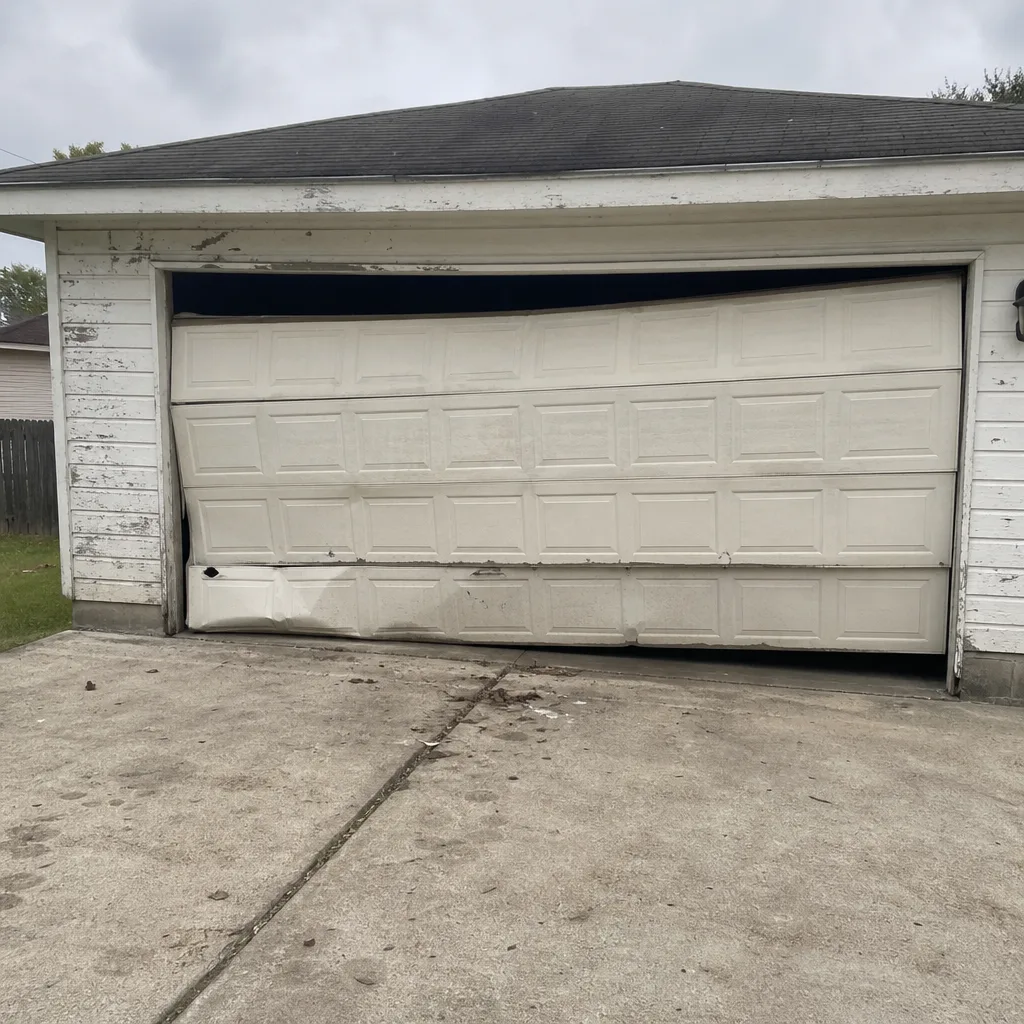 Before
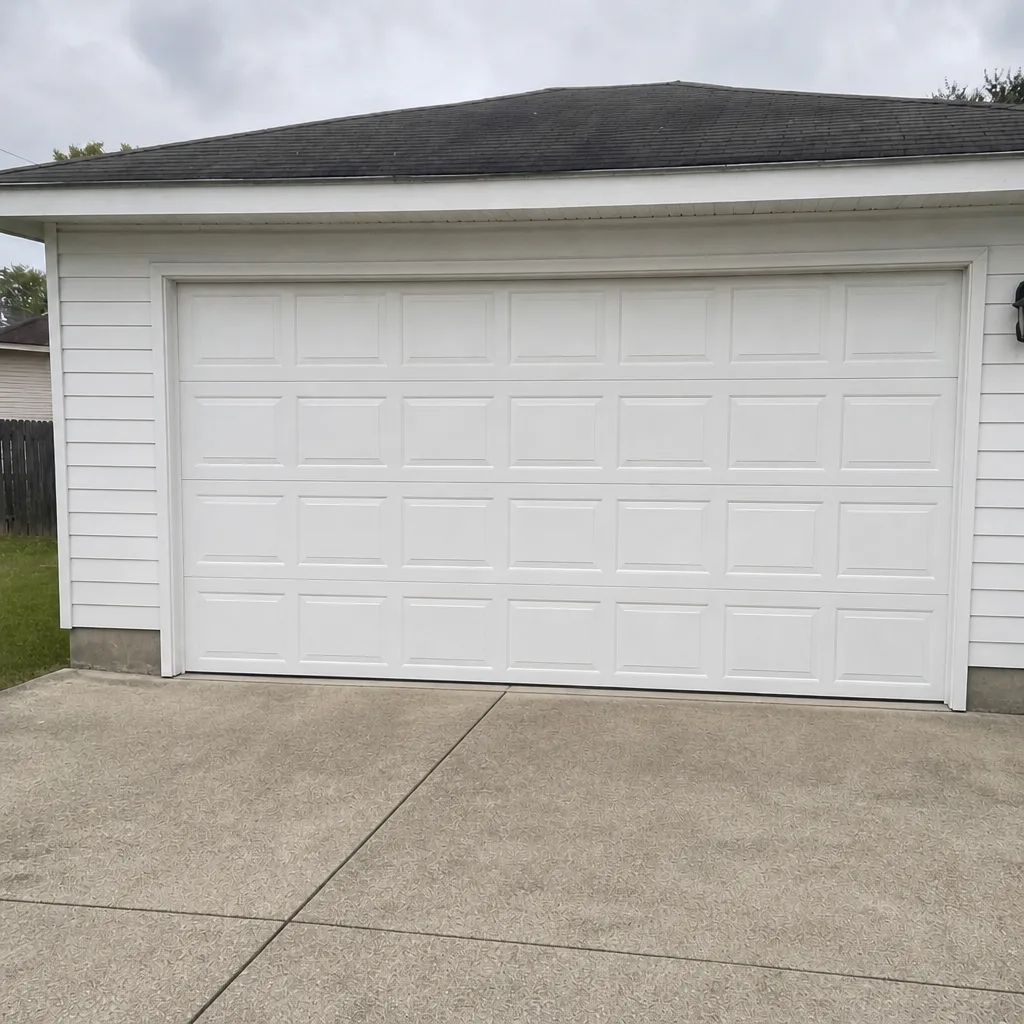 After
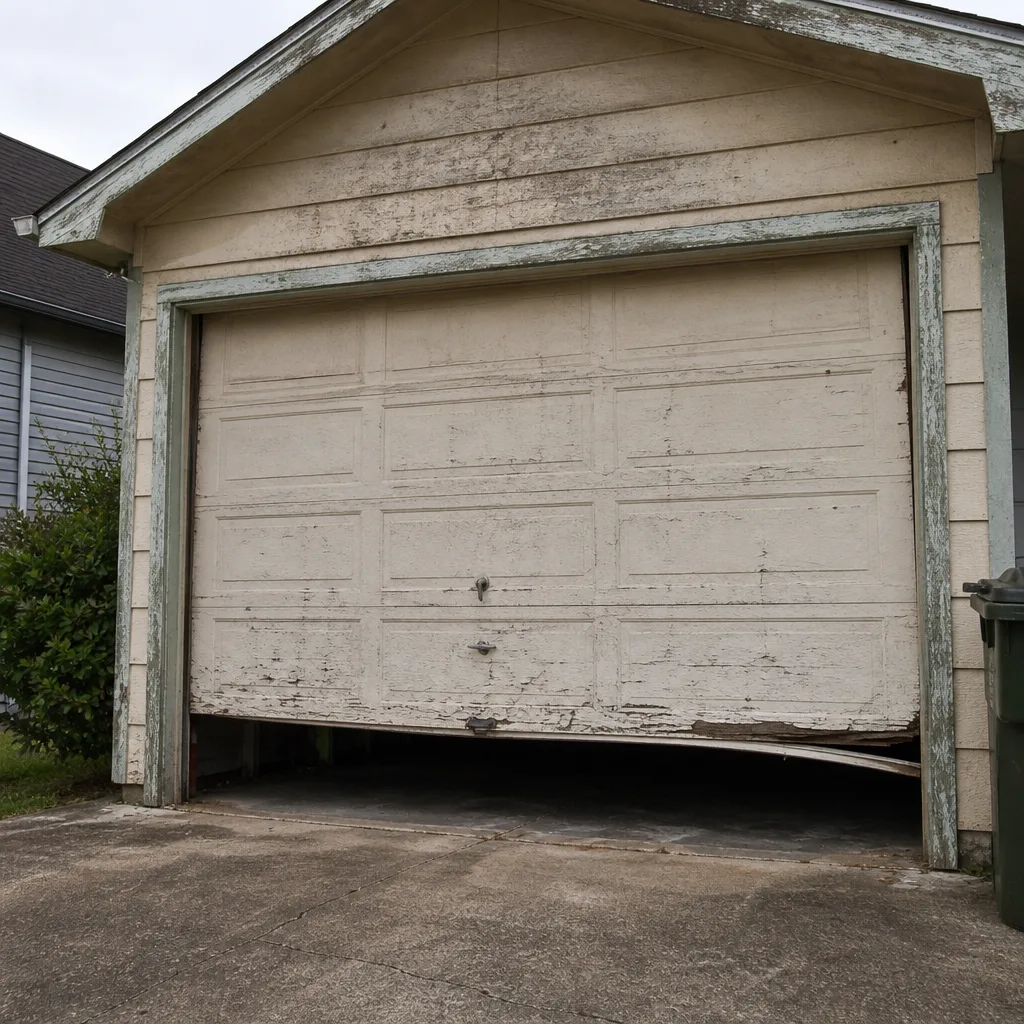 Before
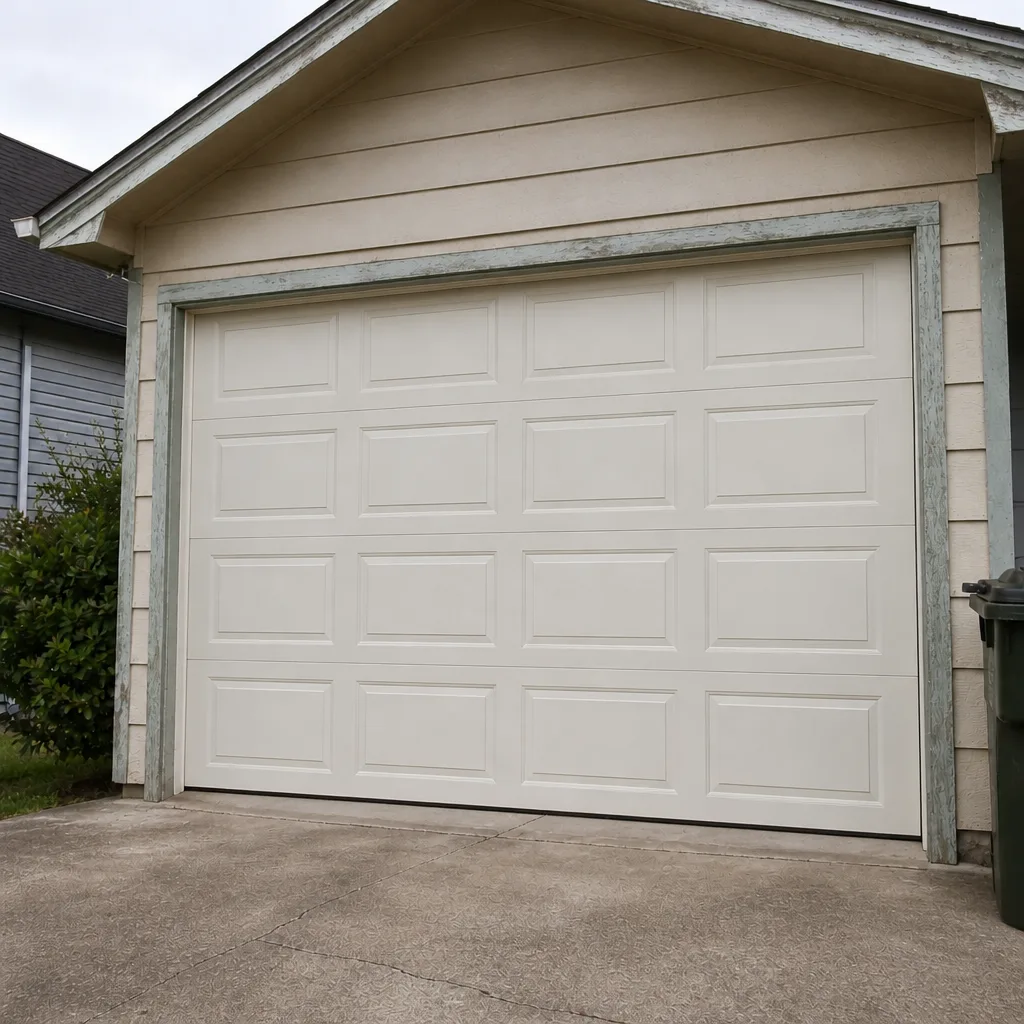 After
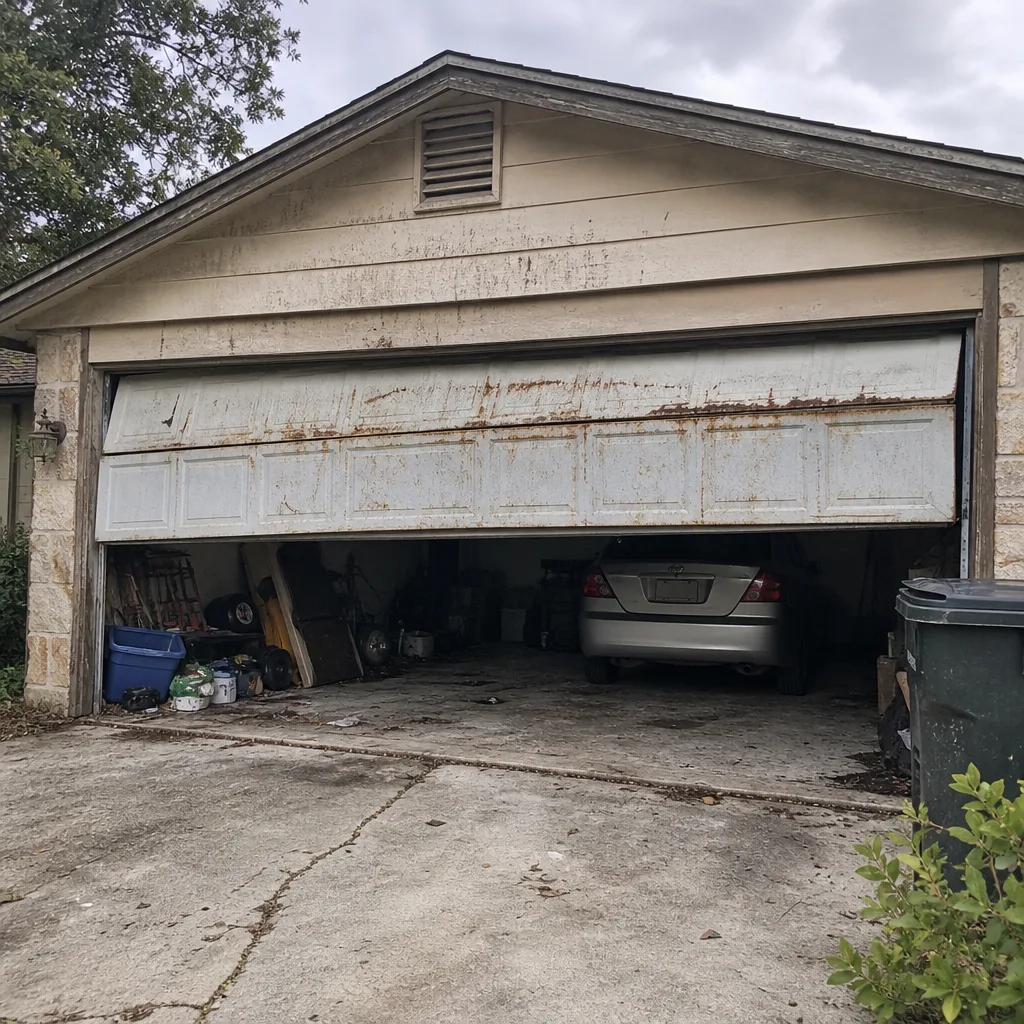 Before
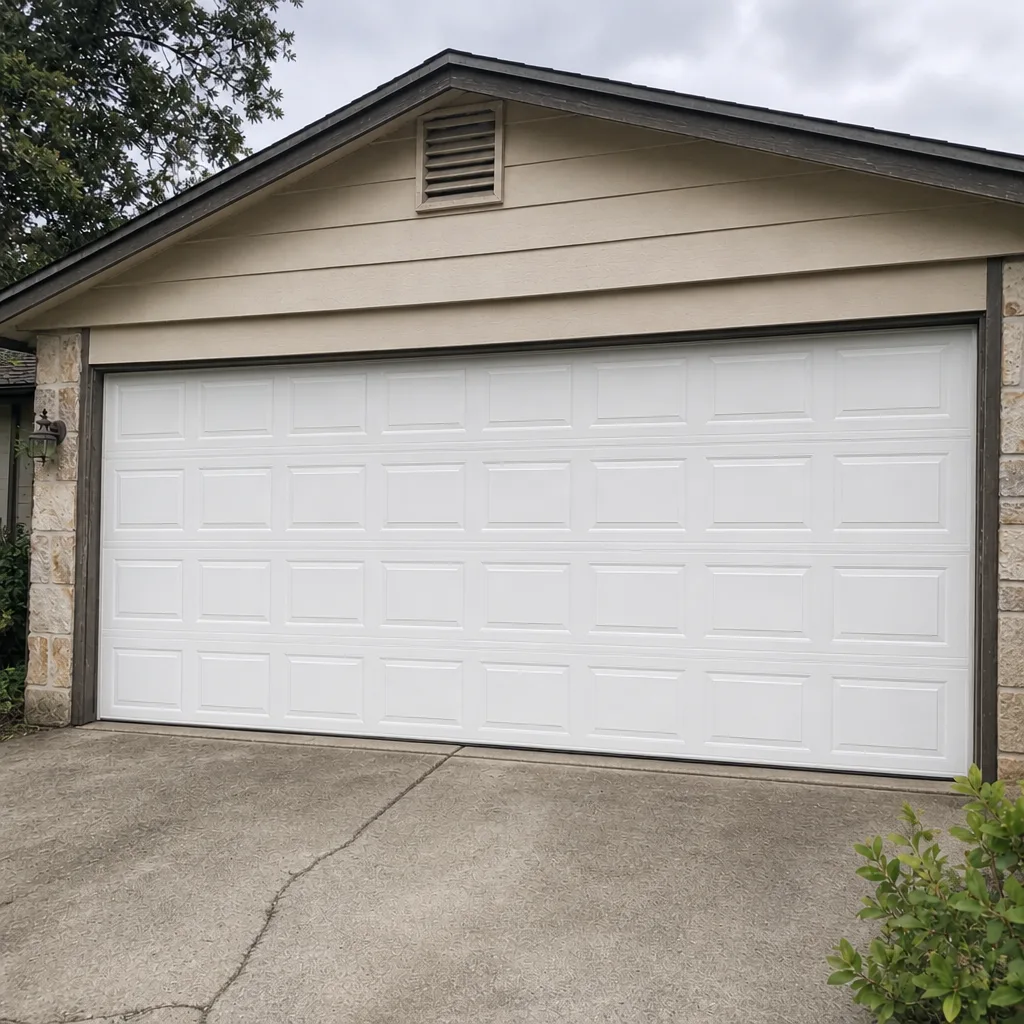 After
Frequently Asked Questions
A Beaumont door needs a seasonal check rather than one annual tune-up: a spring and lubrication check in early spring, a pre-hurricane-season safety check before June, a post-summer inspection in September, and a cool-down check in the fall. Monthly listening and visual checks fill the gaps. Call (833) 549-9776 for an exact quote – estimates are free.
Most failures here happen in October, when the accumulated heat stress of summer meets the first cool-down of fall. The door has been working hard for months and the temperature change is the final push. A properly timed post-summer inspection in September catches the problems before they turn into a failure.
You can safely lubricate the hinges, rollers, and torsion bar bearings, which are moving parts you can reach without tools. Do not lubricate or adjust the springs unless your door’s manufacturer specifically recommends it, and never attempt to work on cables or springs yourself. Call (833) 549-9776 if you’re unsure what to touch.
With the door open, disengage the opener using the emergency release, then place the door about halfway up and gently let go. If it stays in place, the balance is fine. If it drops, the springs are failing and you should call a specialist. Call (833) 549-9776 for a free estimate.
There’s no single figure because a tune-up depends on the door, the parts it needs, and the condition it’s in. We work on a written estimate and you approve the price before any work starts. Call (833) 549-9776 for an exact quote – estimates are free.
Walk the door before you operate it: look at the panels for dents, the track for bends or debris, the springs and cables for visible damage, and the brackets and floor anchors for movement. If anything looks wrong, don’t press the button; call a specialist. We answer 24/7, and a call outside dispatch hours is booked into the next opening, Sunday through Friday, 7am to 7pm.
The Bottom Line
A garage door maintenance schedule for Beaumont doesn’t look like the national version. It follows the Southeast Texas calendar: a spring inspection, a pre-hurricane-season safety check, a post-summer heat inspection, and a fall cool-down check. The October failure window is real, and the right maintenance done in September is what prevents it. Use a thick lubricant, not a thin silicone spray, and respect the line between what you can safely check and what only a trained technician should touch. If this schedule feels like more than you want to manage, that’s what we’re here for. Call (833) 549-9776 for a free estimate, and we’ll walk you through exactly what your door needs.
Written by the team at Lantern Garage Door Repair.