
Last updated November 14, 2026
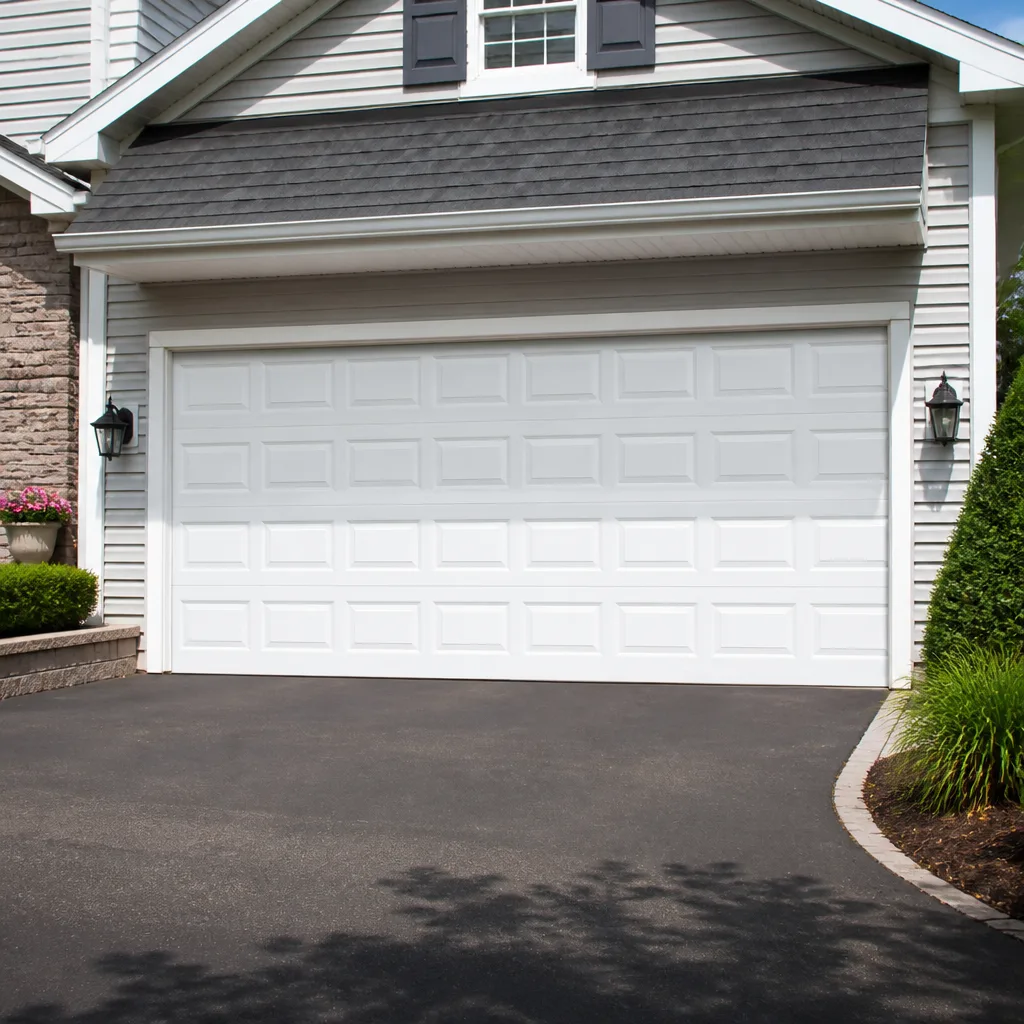 Raised-panel steel
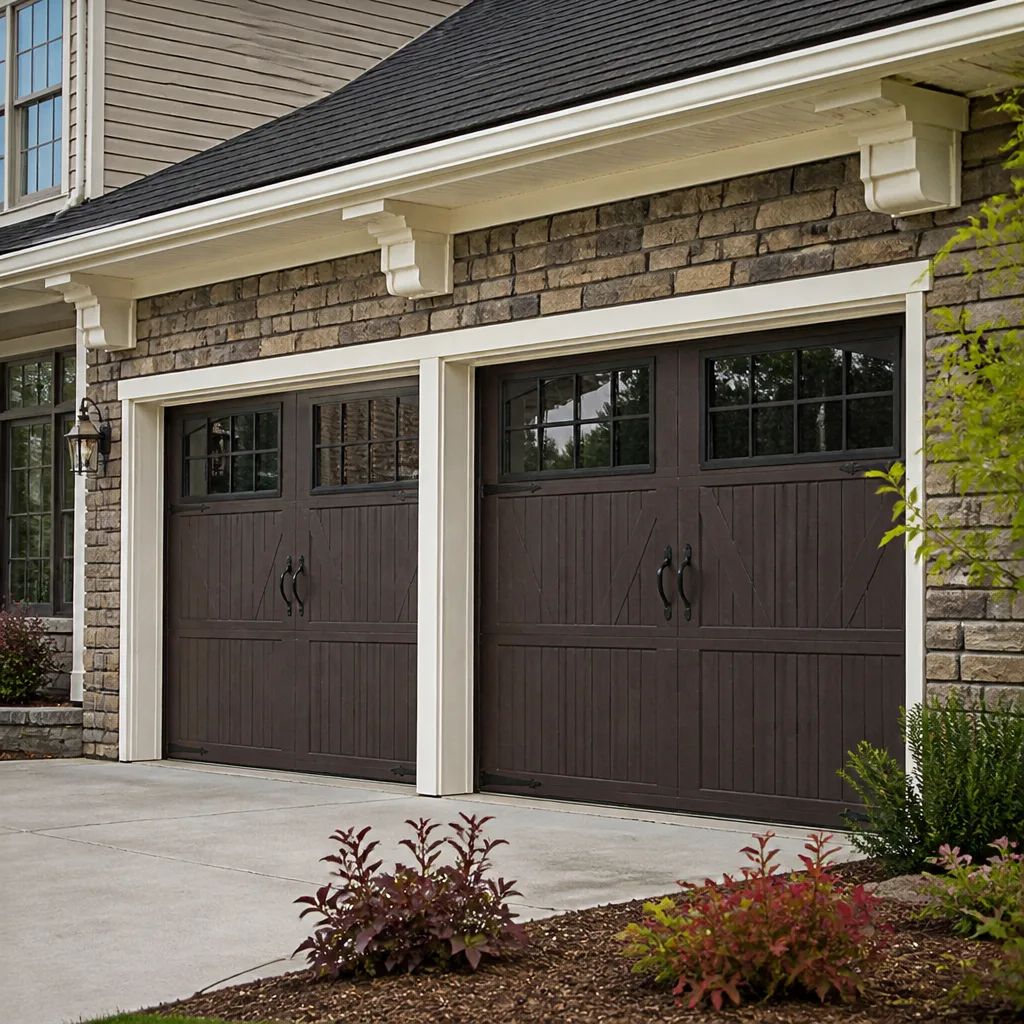 Carriage house
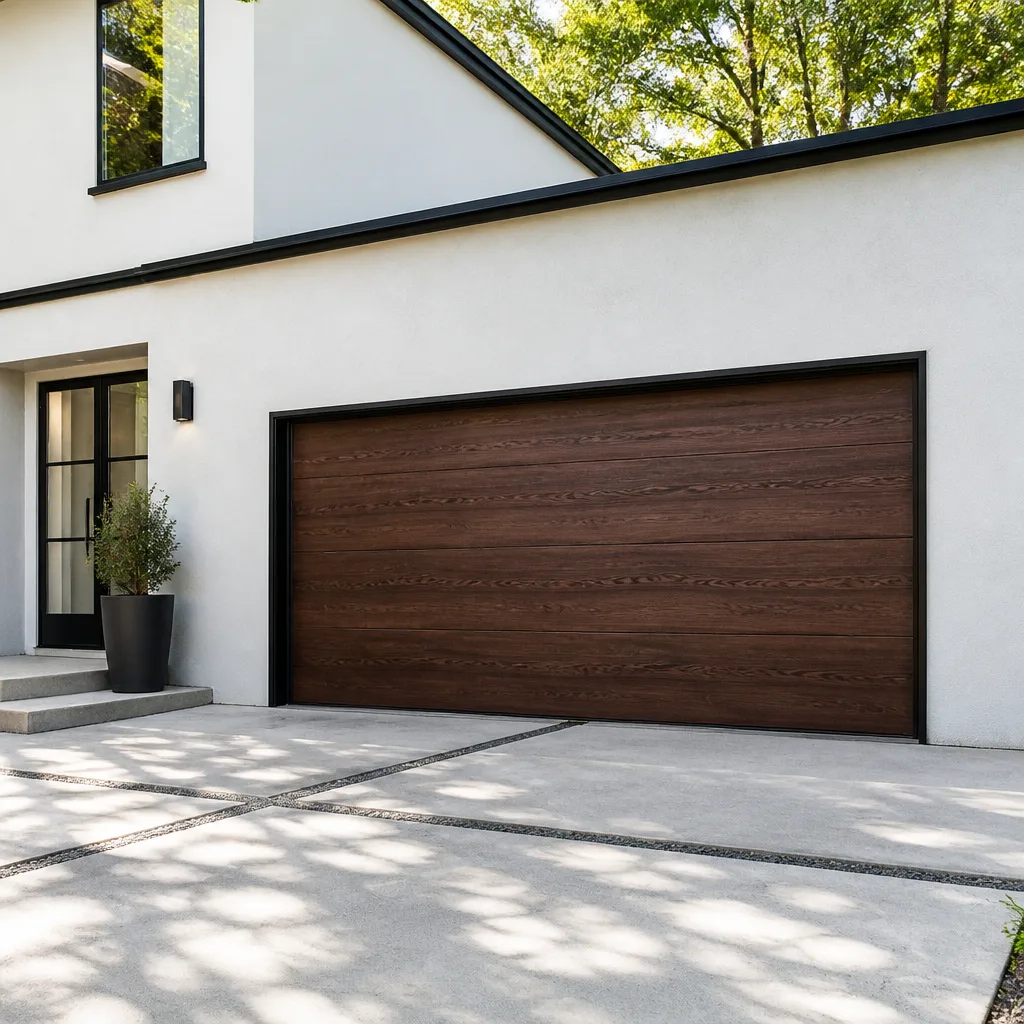 Modern flush
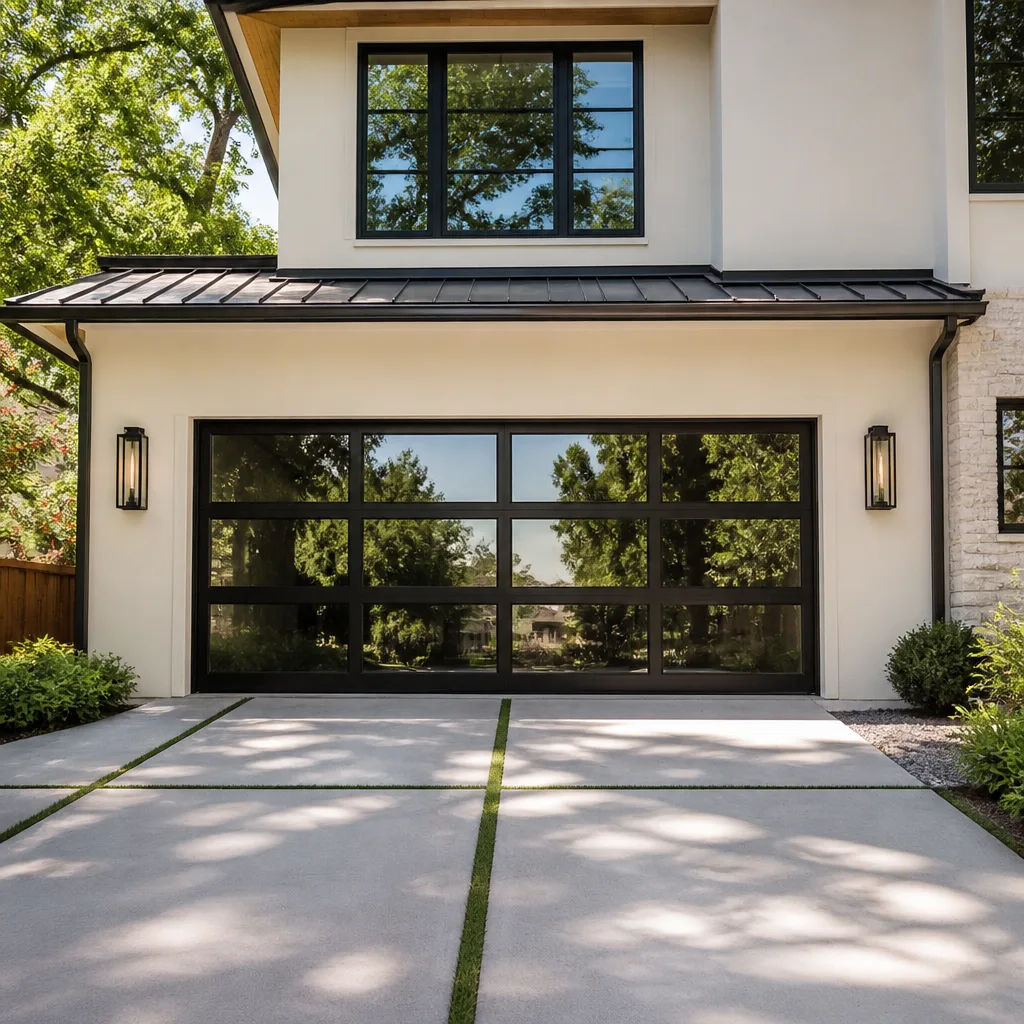 Full-view glass
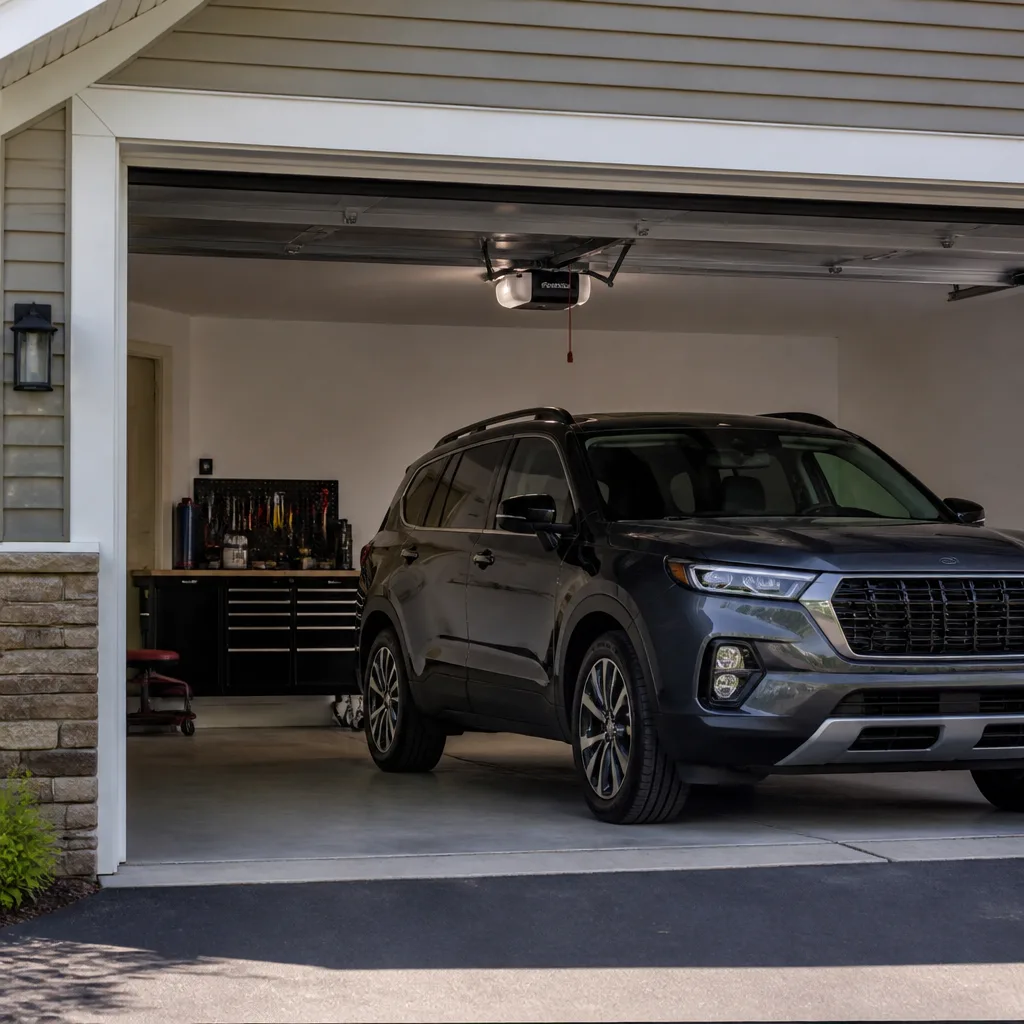 LiftMaster openers
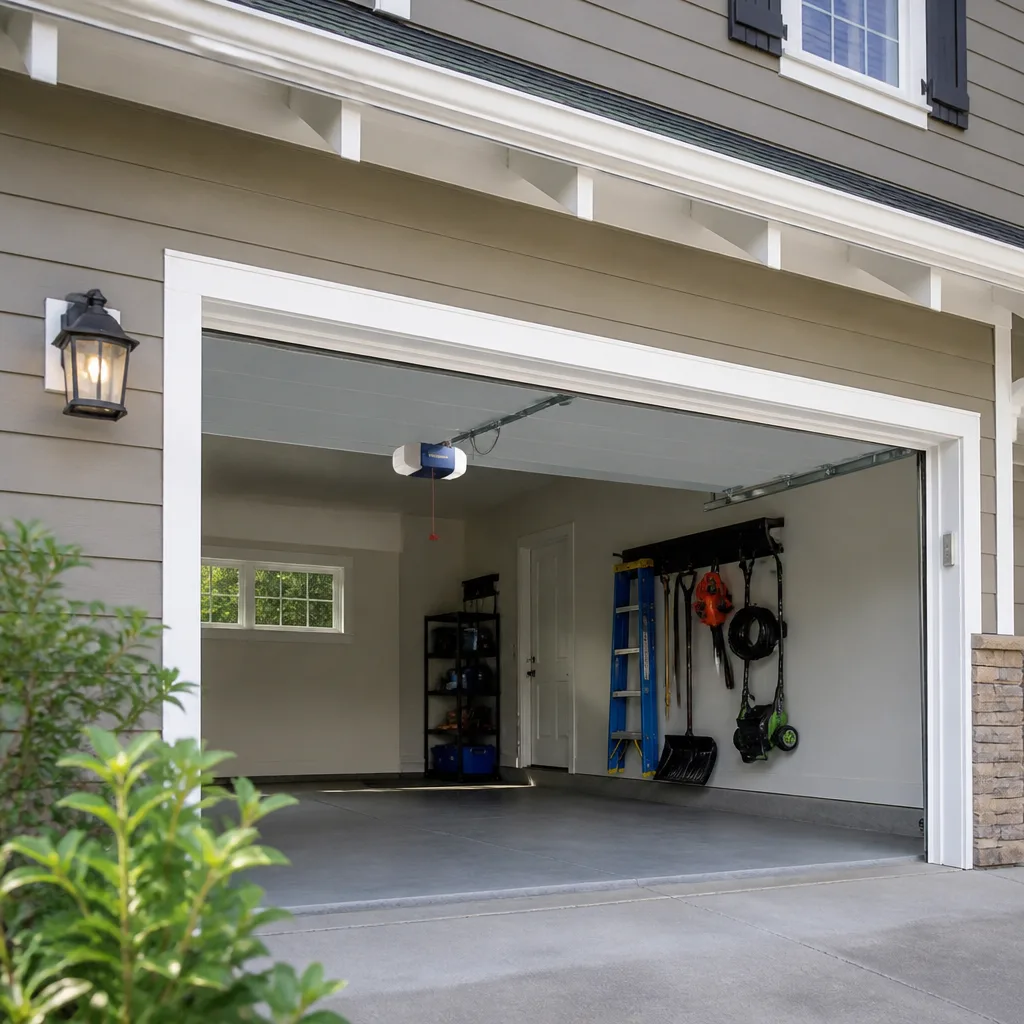 Chamberlain openers
Full 25-point door and opener safety check with every visit - springs, cables, rollers, tracks, and your LiftMaster or Chamberlain opener included
You get a price before we start. It does not change when the pro arrives.
Get your free estimateGarage Door Permits, Codes & Inspections in Beaumont, TX: What You Need to Know
Most homeowners assume a garage door swap is like replacing a faucet: buy the part, bolt it on, done. That assumption is the source of a lot of quiet trouble. In Beaumont, whether a garage door project needs a permit depends on what’s actually changing: a same-size replacement is one thing, cutting a new opening or altering the structure is another. The gap between those two scenarios is where homeowners get surprised, and it’s the reason we wrote this guide. Below, we walk through when a permit is required, how the City of Beaumont and Jefferson County each play a role, what Texas wind load rules mean for your door, and how to check the permit history on a door you’re about to buy a house with.
Quick Answer
A straight replacement of a garage door with one of the same size and style in Beaumont, TX usually doesn’t require a separate door permit, but any change to the rough opening, structural headers, or a new garage door where none existed does require a building permit. The City of Beaumont’s building department issues the permit, and the door must meet Texas wind load requirements for this part of Jefferson County. If you’re filing a windstorm insurance claim or buying a home, verify that the installation was permitted and documented before you close or sign.
Styles & brands we work with
- Raised-panel steel
- Carriage house
- Modern flush
- Full-view glass
- LiftMaster openers
- Chamberlain openers
Table of Contents
- When does a garage door project need a permit in Beaumont?
- Who signs off: City of Beaumont vs. Jefferson County
- Texas wind load code and why your garage door has to meet it
- What “hurricane-rated” means and how it affects windstorm insurance
- What a garage door inspection actually checks
- How to look up permit history on your existing door
- Questions to ask a garage door installer before you sign
- How permit gaps show up at resale
When does a garage door project need a permit in Beaumont?
The short version: a same-size door replacement usually falls under minor repair and doesn’t trigger a separate permit, while anything that changes the size of the opening, adds a garage where there wasn’t one, or alters structural framing does. That’s the practical threshold, and it’s the one we use when we’re talking with homeowners about a project before it starts.
Here’s how we break it down by project type:
- Replacement in kind: You have a 16-foot single door and you’re replacing it with a 16-foot door of the same or similar design. The springs, tracks, and opener are being swapped or reused. In most cases, no separate garage door permit is issued for this, though the installation still needs to meet wind load requirements.
- Structural modification: You’re widening or heightening an existing opening, adding a new opening to a garage wall, or replacing the header over the door. This is structural work and requires a building permit whether or not the wall is load-bearing.
- New construction: A new garage, a detached garage, or an addition that includes a garage door. The garage door is part of the permitted construction scope, not a stand-alone permit.
- Converting a garage to living space: This is a different permit category entirely and usually involves framing, insulation, and a door that no longer functions as a vehicle door.
The reason the threshold matters is that the consequences are real but quiet. A same-size swap that never gets looked at doesn’t typically cause a problem because nothing about the structure changed. A structural modification that skips the permit creates a documentation gap, and documentation gaps are what get flagged at inspection, at resale, and at claim time. In our experience, most Beaumont homeowners who get surprised on this weren’t trying to cut corners; they just didn’t know where the line sat.
If you’re not sure which category your project falls into, call the city’s building department and describe what you’re planning in plain language. The person on the phone will tell you whether they want a permit application. That call costs nothing and settles the question faster than any contractor’s opinion.
Who signs off: City of Beaumont vs. Jefferson County
If your home is inside the Beaumont city limits, the City of Beaumont Building Department is the authority that issues the permit and performs the inspection. If your home is outside the city limits but still in Jefferson County, the county handles the permitting and inspection for unincorporated property. That split is the first thing to sort out before you call anyone, because calling the wrong office means starting over.
The good news is that the two don’t generally fight over jurisdiction; they divide the work geographically. Property inside city limits is a city matter. Property in unincorporated Jefferson County is a county matter. A few areas around Beaumont fall under their own small municipal jurisdictions entirely, in which case that municipality is the authority. If you’re not sure which one applies, look at your property tax statement or the plat on file with the appraisal district. The taxing jurisdiction named on those documents is the one you want.
Once jurisdiction is settled, the inspection itself is a walkthrough by a city or county inspector, most often timed to a stage of the work rather than the completion. For a garage door replacement that triggers a permit, the inspector generally looks at the framing, anchoring, and attachment to the structure, not the cosmetics of the door. This is different from a garage door service inspection: when a technician inspects your door, they’re checking balance, springs, cables, rollers, and opener operation, not code compliance. The two inspections answer different questions. If you need the service inspection, our team handles that through garage door repair.
What this means in practice: the permit inspection confirms the structure is built to plan, and the service inspection confirms the door works safely. A door can pass one and fail the other, which is why we encourage homeowners to treat them as two separate checkpoints rather than one event.
Texas wind load code and why your garage door has to meet it
Garage doors in Jefferson County are held to wind load requirements under the International Residential Code as adopted in Texas, and in practice that means the door and its anchors have to be rated for the wind pressures expected in this part of the state. This is one reason a garage door isn’t a commodity item you can swap across markets without checking the label. The same door model sold into an inland market may not meet the wind rating required here.
What the code actually requires is not a single number. The required wind rating depends on things like the building’s design wind speed for the area, the size of the door opening, and whether the door is in a windborne debris region. Your installer should be able to tell you what the door’s rating is and how it meets the code for your specific address. If they can’t answer that in plain language, that’s a signal.
Here’s what to look for on the door and the paperwork:
- A wind load rating on the door label. Most rated doors carry a wind speed and pressure rating on a label or tag. If there isn’t one, ask where the rating is documented.
- Anchoring that matches the rating. The best-rated door fails if it’s hung on anchors that weren’t specified for that rating. Rated doors usually call for heavier anchor spacing and specific fastener types.
- Documentation you can keep. Ask for the manufacturer’s wind load documentation for the exact model and size installed. Keep it with your closing documents; it’s the piece you’ll want if an insurer or an inspector asks later.
We’ve seen a number of Beaumont installations where the door itself was rated properly but the anchors were the originals from an older, lighter door. The rating on the door was useless because the mounting wasn’t rated for it. A rated door hung on underrated anchors is the kind of detail that only shows up when someone actually reads the paperwork or the inspector looks closely at the install. If the door your project calls for is a rated model from a manufacturer like Clopay, Amarr, or Wayne Dalton, the paperwork to keep should come with it. We can walk you through what to keep and what to file during a garage door opener repair visit or a full install, whichever applies to your project.
The practical takeaway: wind rating isn’t a single checkbox. It’s the door plus the anchors plus the documentation, and all three have to line up.
What “hurricane-rated” means and how it affects windstorm insurance
“Hurricane-rated” is shorthand for a door that’s been tested and certified to meet a specific wind load standard, usually with a pressure rating tied to the design wind speed for the area it’s being installed in. It isn’t a single universal label. Two doors can both be called hurricane-rated and have very different ratings, which is why the specific documentation matters more than the phrase.
In Texas, windstorm coverage for homes in designated coastal counties is often written through the Texas Windstorm Insurance Association (TWIA). Jefferson County sits inside the area where that coverage is common. When windstorm coverage is written or renewed, insurers typically want to see that the structural components, including the garage door, meet the applicable wind rating and that the installation is documented. A rated door installed without the right anchors or without the paperwork may not be accepted as compliant, and that has real consequences for coverage.
What documentation usually helps:
- Manufacturer’s wind load certificate for the exact model and size of the door installed
- The permit and inspection record if the project was permitted
- Installation paperwork showing the anchoring system used
- Photos of the installed door and anchors, taken from inside the garage and from the drive
If you’re not sure whether your existing door would pass an insurer’s review, the time to find out is before you file a claim, not after. Ask your insurer what documentation they need for the garage door on your home. Then check that what you have matches what they’re asking for. In Beaumont, where windstorm coverage is a routine part of owning a home, the garage door is one of the components insurers look at carefully. Getting the paperwork in order early is a smaller job than reconstructing it after a claim is filed.
One more point: an insurer asking for documentation is not the same as an inspector issuing a citation. The insurer is confirming that the component matches what they believed they were covering. If the door doesn’t match, the fix is usually to install a compliant door and document it, not to argue about the old one.
What a garage door inspection actually checks
A service inspection on a garage door covers a fairly specific list, and understanding it helps you know what you’re paying for when a technician is at your home. It’s not the same thing as a code inspection, and the technician isn’t issuing a permit. What they’re doing is confirming the door and its hardware are safe and functioning as intended.
The list we work through on a typical service call:
- Spring tension and condition. Springs are measured for balance and inspected for wear. A door that’s out of balance puts stress on the opener and the springs.
- Cables and drums. Cable wear, drum condition, and cable routing are checked. A frayed cable is a safety issue and isn’t a case for adjusting the door yourself; the tension on that assembly can cause serious injury, and spring and cable work belongs with a trained technician.
- Rollers, hinges, and tracks. Bent tracks, worn rollers, and loose hinges are noted. A door that jumps or grinds is often a track alignment issue rather than a spring issue.
- Panel and section integrity. Dents, cracks, and separation at section joints are inspected, because compromised panels can affect the door’s wind rating.
- Opener operation. The opener’s force settings, travel limits, and safety reverse are tested. If your opener is a LiftMaster, Chamberlain, Genie, or Craftsman, the technician should know the specific adjustment sequence for that unit.
- Anchoring and attachment. The brackets, hinges, and bottom brackets are checked for secure attachment to the structure.
The services that come out of this list are ordinary. If you want a clear picture of what needs repair and what can wait, this is the inspection that gives it to you. To book one in Beaumont, call us. If damage is the issue, a quick call can get a technician out with fast dispatch from 7am to 7pm, and the diagnosis comes before any work is approved.
How to look up permit history on your existing door
If you’re buying a home in Beaumont or filing an insurance claim on one you already own, check the permit record on the garage door before you close or sign. The record tells you whether the installation was inspected and documented. A clean record is straightforward: it shows the permit, the inspection, and the date. No entry on a door you know was replaced or structurally modified is worth asking about.
Here’s how to run the check:
- Identify the jurisdiction. City of Beaumont if the home is inside city limits; Jefferson County if it’s outside city limits but still in the county; the specific small municipality if it’s in one of those.
- Request the permit history for the address. Call the building department for the jurisdiction and ask for the permit history for the property address. Most offices will tell you what they have on file and can usually email or text records.
- Ask for the inspection record for the garage door. A permit being issued isn’t the same as a permit being closed out. Ask whether the final inspection was recorded.
- Match the record to the door. If the record shows a permit for a garage door replacement with a specific size and model, compare it to the door on the home. A record that doesn’t match what’s installed is worth asking the seller about in writing.
- File the documentation. Once you have the permit and inspection paperwork, keep it with your closing documents. If you ever sell or file a claim, you’ll want it in one place.
A clean record should show a permit, an inspection, and a final sign-off that matches the door currently installed. It doesn’t need to be elaborate; a simple record of the permit and inspection is enough. The problem case is the reverse: a record that’s missing, or a door that was clearly modified with no permit history at all. In our experience, that’s the situation worth resolving before closing rather than after.
Questions to ask a garage door installer before you sign
The permit question is answered more by who you hire than by anything else, so it’s worth asking a few pointed questions before the work starts. A specialist will answer these without hesitation. A generalist won’t, and that’s useful information.
- “Will this project need a permit, and are you pulling it?” If the answer is “we don’t pull permits,” ask what happens if the project does turn out to be permitted work. You want to know the answer before installation begins.
- “What wind rating will this door carry for my address?” The answer should include a rating and how it’s documented. “Hurricane-rated” without a rating or documentation isn’t an answer.
- “Who handles the inspection, and who’s present?” A permit requires someone to be there for the inspection. Ask who’s responsible for that and whether it’s included in the price.
- “What documentation do I keep?” You want the manufacturer’s wind load certificate, the permit and inspection record, and the installation paperwork. Ask for all three.
- “Is this project structural or same-size replacement?” If the answer is “same-size” but the framing plan says otherwise, that’s a mismatch worth resolving before you sign.
- “What happens if the inspector flags something?” Most installers will correct flagged items as part of the job, but confirm it up front so it doesn’t become an add-on line at the end.
A garage door specialist will know whether a project is permitted work, what the wind rating requirements are, and which agencies are involved. A generalist handling garage doors as one of many trades usually won’t. We’re a specialist, and that means garage doors and the codes around them are the whole job, not a line item. If you need help evaluating a project in Beaumont, we’re glad to look at it with you through Lantern Garage Door Repair.
How permit gaps show up at resale
The most common place a missing permit bites is at resale. Buyers and their inspectors look at the garage, and if the door size, style, or attachment doesn’t match what the permit record shows, that’s a question in the transaction. It doesn’t automatically kill the sale, but it typically gets resolved one of three ways: the seller documents the installation to the city’s satisfaction, the seller pulls a retroactive permit if the jurisdiction allows it, or the seller replaces the door to match what the record supports.
Each of those is more expensive and more time-consuming than having permitted the project at the start. And in Beaumont, where windstorm coverage is routinely part of the transaction, a buyer’s insurer may also want to see the garage door’s rating and documentation. A door that doesn’t have it can become a negotiation item at the point when the seller has the least leverage.
The realistic way to avoid this is boring: before you have a garage door installed, ask whether the project needs a permit, and if it does, confirm the installer is pulling it. Keep the paperwork. It costs you nothing to hold onto a permit record and it’s the single easiest thing to do right now that you’ll be glad you did later. If you’re already several years into a door you’re not sure was permitted, the check described in the permit history section above is the place to start. Finding out on your own schedule is a calm conversation with the building department; finding out during a sale is not.
Common Mistakes to Avoid
- Assuming all replacements are permit-exempt. Same-size replacement usually is, but a change to the opening, header, or garage wall is structural work and needs a permit. Ask the building department to confirm for your project.
- Hiring an installer who doesn’t know the wind rating requirements. A door that meets the rating but is hung on anchors that don’t is not a compliant install. Ask for the rating and the anchoring spec together.
- Not keeping the paperwork. The manufacturer’s wind load certificate and the permit record are the two documents you’ll want at claim time or resale. Store them with your closing documents.
- Skipping the permit history check on a purchase. It takes a phone call. Do it before you sign, especially on a Beaumont home where windstorm coverage is part of the deal.
- Trusting “hurricane-rated” as a full answer. The phrase means the door is tested to a standard; it doesn’t tell you the rating, and it doesn’t tell you whether the install matches. Get both in writing.
- Letting the permit be an afterthought at inspection. If the project requires a permit, the inspection has to be scheduled as part of the work, not tacked on afterward. Confirm who handles it when you sign.
- Calling the wrong building department. Inside Beaumont city limits, the city handles it. Outside city limits but in Jefferson County, the county does. Calling the wrong one usually means a round trip you didn’t need.
See the difference
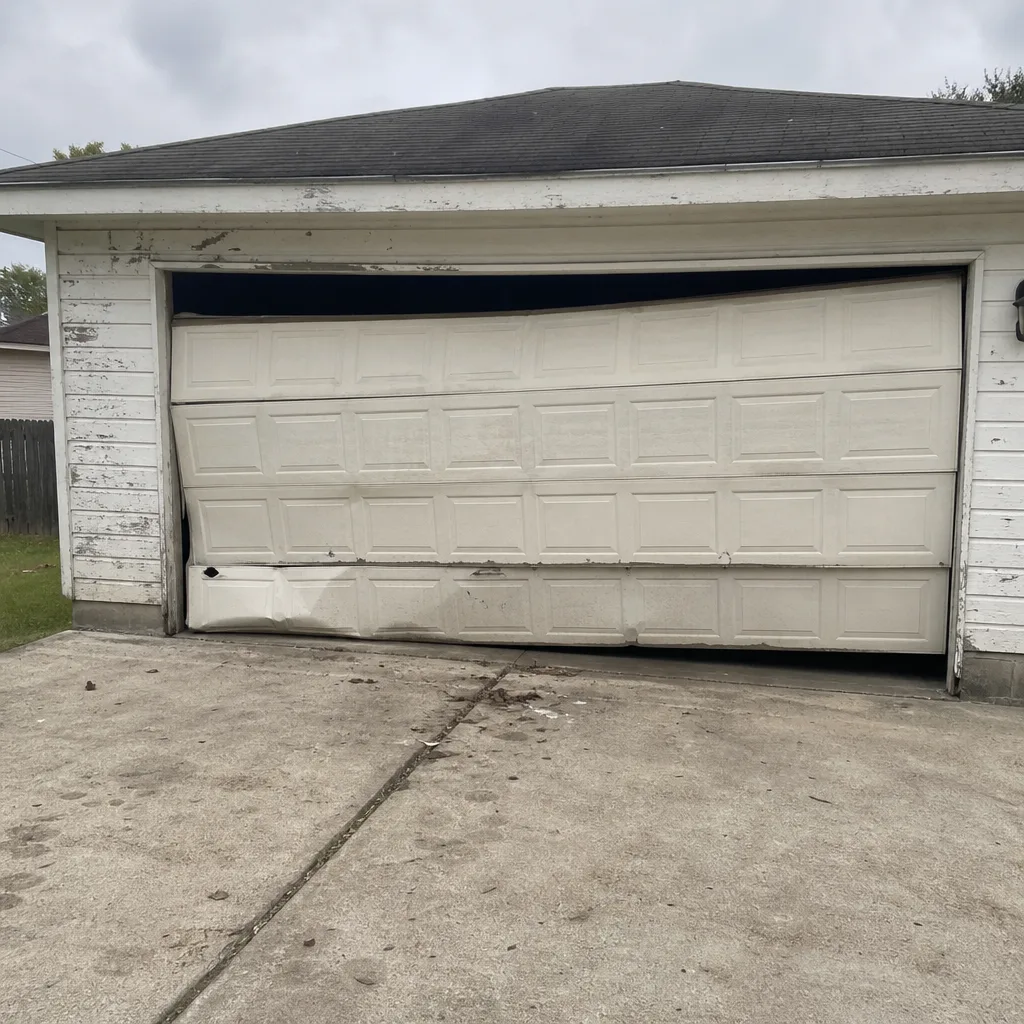 Before
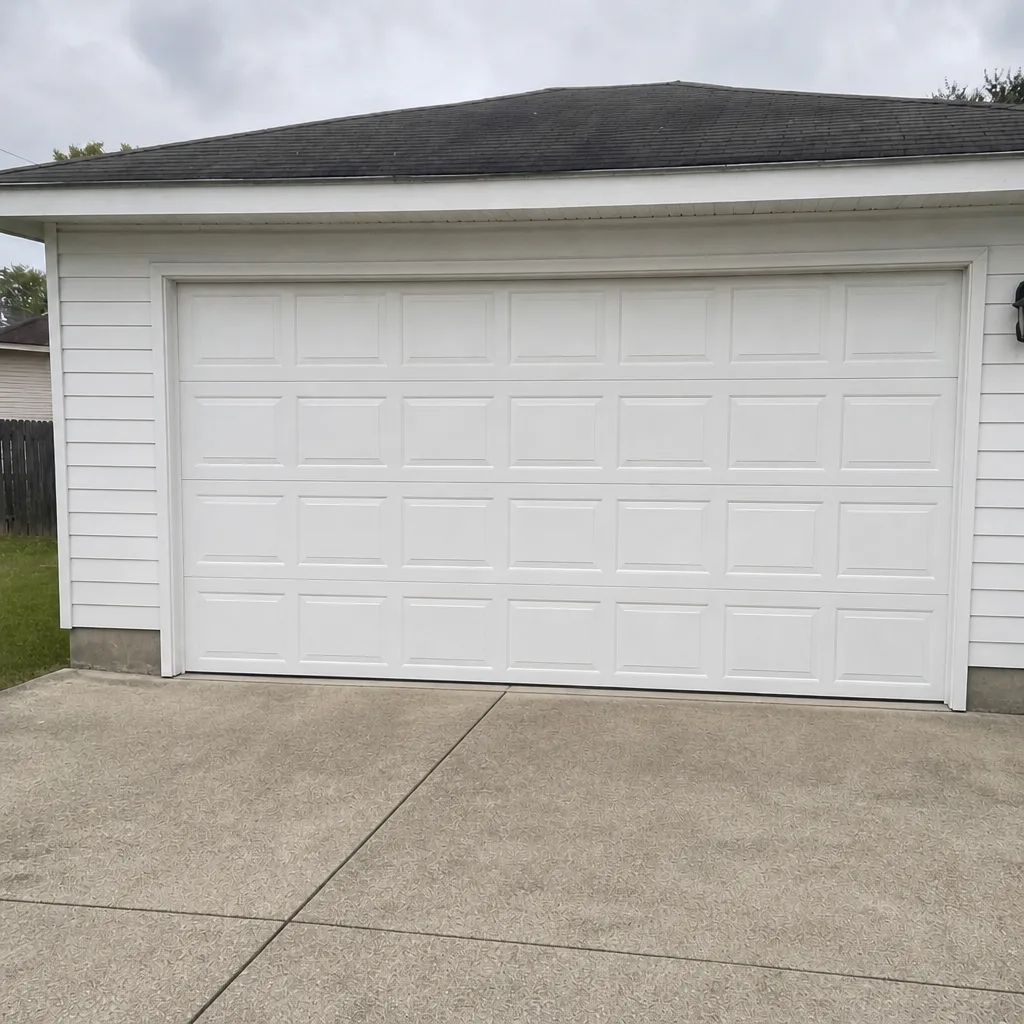 After
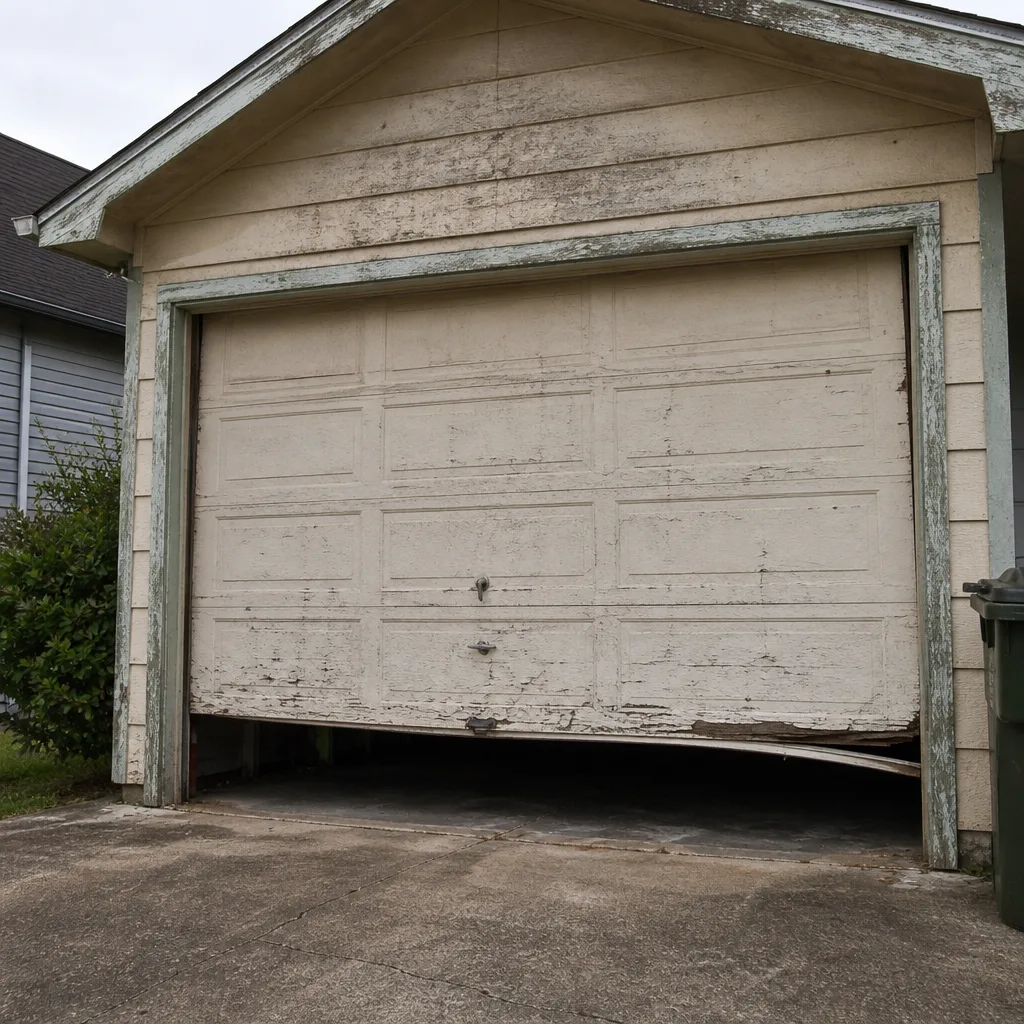 Before
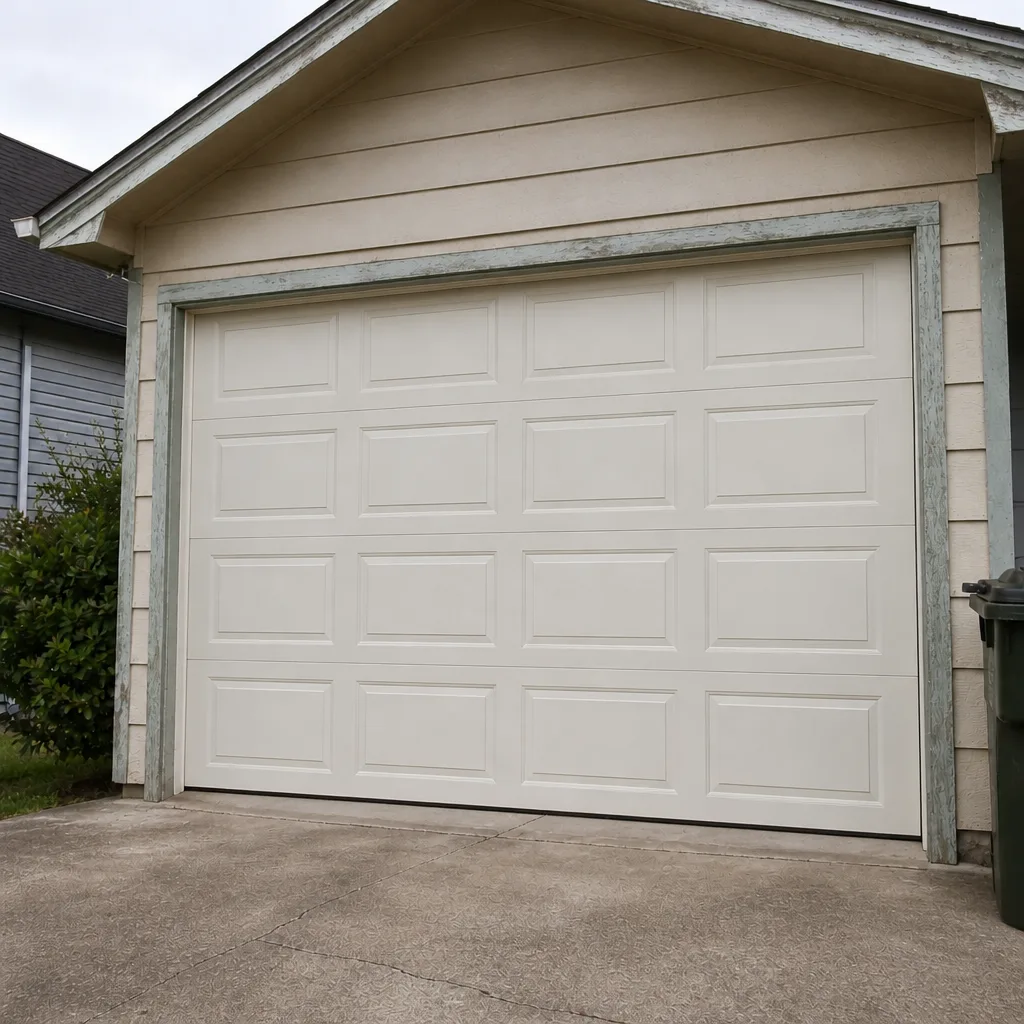 After
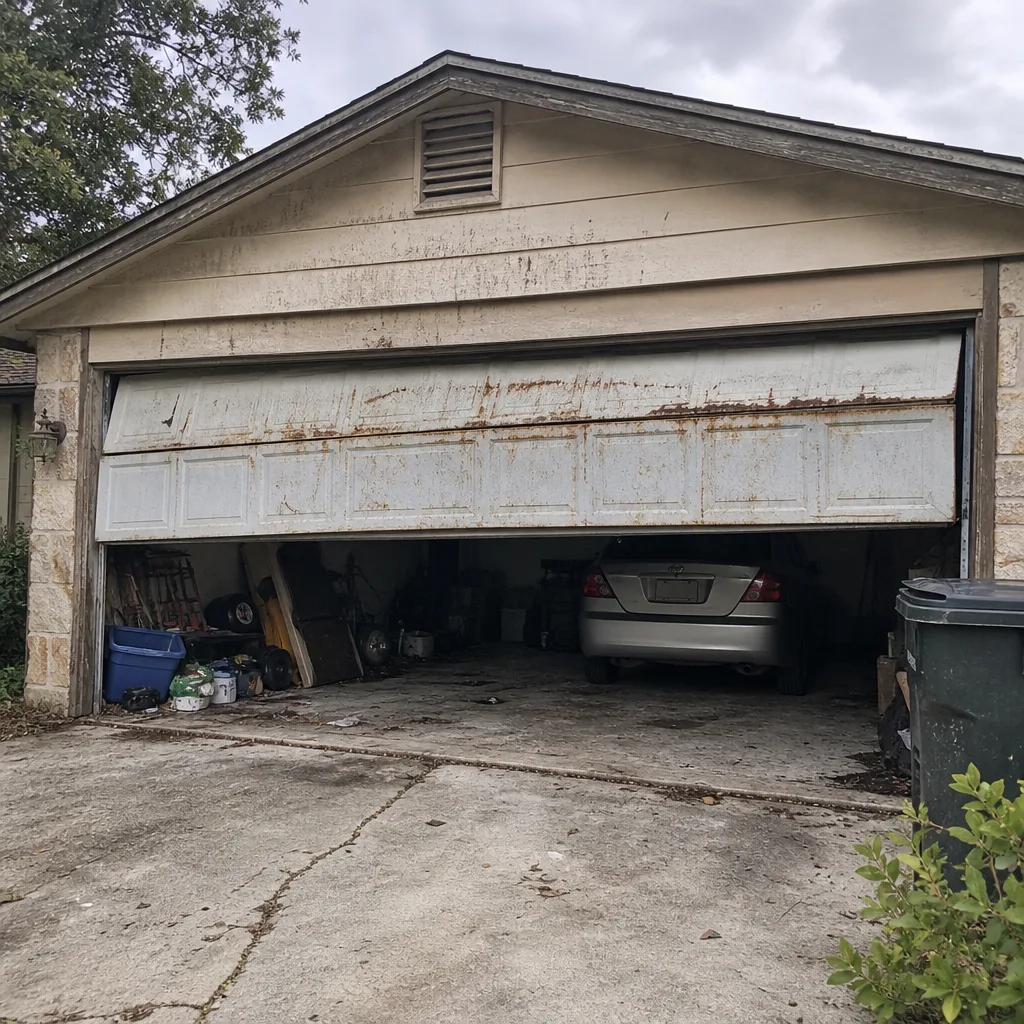 Before
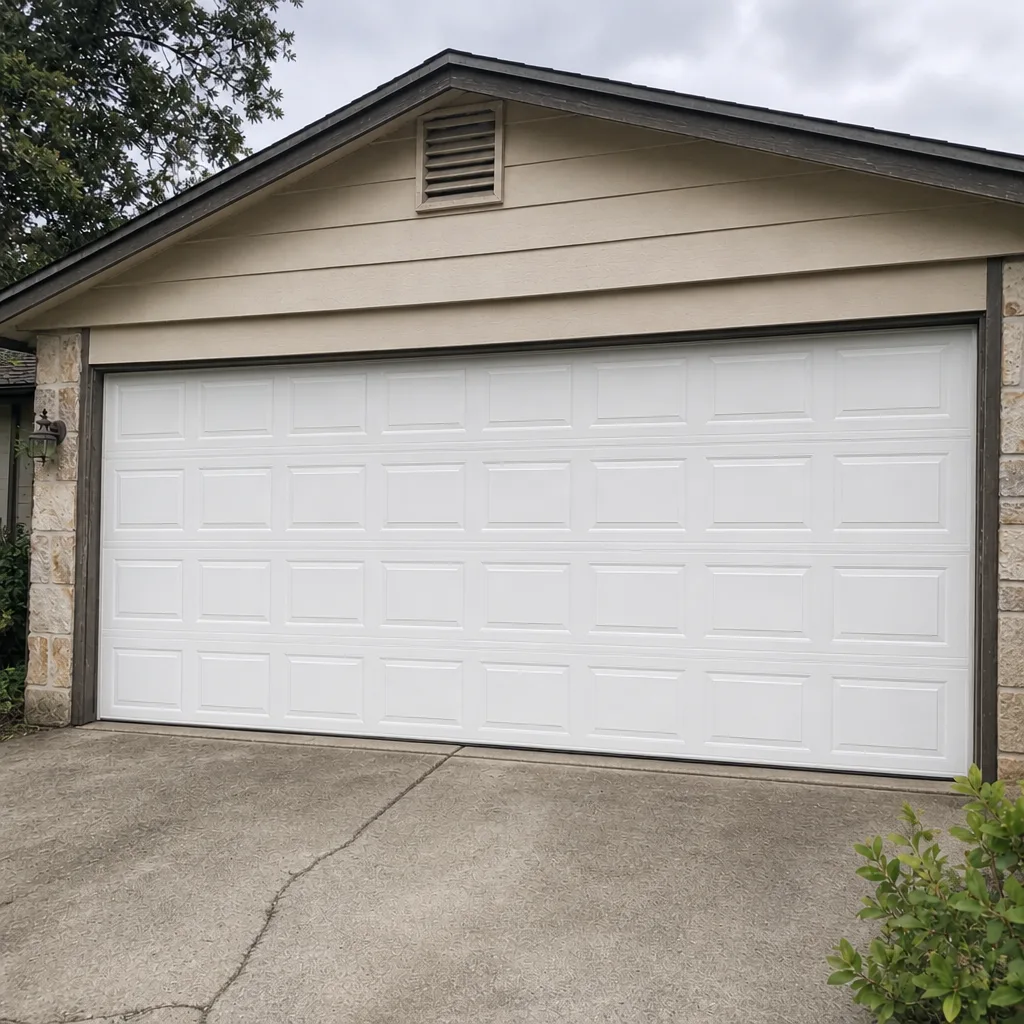 After
When to Call a Professional
Some of this you can sort out yourself with a phone call to the building department. The parts that call for a professional are the ones involving structure, wind rating, and the electrical side of an opener. If your project involves widening an opening, adding a garage door where there wasn’t one, or changing anything about the wall around the door, involve a contractor who knows the wind rating requirements before you move forward. If your existing door has a broken spring, a snapped cable, or a door off its tracks, that’s a service call, not a permit question, and the tension involved makes it a job for a trained technician rather than a homeowner with tools. And if you’re buying a home and the garage door’s permit record doesn’t match what’s installed, get a professional look at it before closing.
Lantern Garage Door Repair offers free estimates in Beaumont. Call (833) 549-9776. We answer 24/7. Fast dispatch from 7am to 7pm, Sunday through Friday. Our technicians have up to 9 years of experience, and we’ll walk you through the diagnosis before any work is approved.
Frequently Asked Questions
A same-size replacement of an existing garage door in Beaumont usually does not require a separate permit, but a change to the rough opening, structural headers, or a new garage door where none existed does require one through the City of Beaumont Building Department. The safest way to confirm your specific project is to call the department and describe what’s being changed. Call (833) 549-9776 for a free estimate and we’ll help you sort out whether your project is permitted work.
The wind rating required for a garage door in Jefferson County depends on the design wind speed for the address, the size of the door, and whether the location falls in a windborne debris region. There isn’t a single number that applies to every home. Ask your installer what rating the door will carry and how it’s documented, and keep the manufacturer’s wind load documentation with your closing documents. Call (833) 549-9776 for a free estimate on a rated installation.
It can. Insurers writing windstorm coverage in designated coastal counties often want to see that the garage door meets the applicable wind rating and that the installation is documented. A permit and inspection record is one of the pieces of documentation that helps. Ask your insurer exactly what they need for your home’s garage door before you file a claim. If you need help getting documentation from an install, call (833) 549-9776.
Call the building department for your jurisdiction (City of Beaumont if you’re inside city limits, Jefferson County if you’re in unincorporated county) and ask for the permit history for your property address. Ask specifically whether a final inspection was recorded for any garage door work. A clean record shows a permit, an inspection, and a final sign-off that matches the door currently installed. If the record doesn’t match, get a professional to look at it before you close. Call (833) 549-9776 for a free estimate on bringing a non-compliant door into line.
You can legally replace a same-size garage door yourself in most cases, but we don’t recommend it. Springs and cables are under high tension and can cause serious injury if released incorrectly, and a self-installed door that doesn’t meet the wind rating or isn’t anchored correctly may not be accepted for insurance purposes. A permitted project also requires an inspection that a homeowner can’t sign off on. The work is a two-person job at minimum and belongs with a trained technician. Call (833) 549-9776 for a free estimate.
An insurer can decline to cover a component that doesn’t match what they believed they were insuring, which is why the paperwork matters. Whether they do in a specific case depends on the policy and the claim. The way to protect yourself is to check the permit history and wind rating documentation before you file, and to correct gaps on your own timeline. If you’re not sure what your door has on file, call (833) 549-9776 for a free estimate and we’ll help you evaluate it.
The Bottom Line
Garage door permitting in Beaumont comes down to three things. First, know whether your project is same-size replacement or structural work; only the second reliably needs a permit. Second, confirm the wind rating and anchoring match the requirements for your address, and keep the manufacturer’s documentation with your closing documents. Third, if you’re buying a home or filing a claim, check the permit history before you close or sign. None of these are hard, but each one is the kind of check that’s easy to skip and expensive to catch later. Ask the building department the direct question, ask your installer for documentation in writing, and store the paperwork. A clean permit record on your garage door is one of the quietest assets in your home, and one of the cheapest to maintain.
If you need a garage door repair, an opener issue sorted out, or a new door installed with the right documentation for Beaumont and Jefferson County, call Lantern Garage Door Repair at (833) 549-9776 for a free estimate. We answer 24/7. Fast dispatch from 7am to 7pm, Sunday through Friday, and no work begins before the diagnosis and the price are agreed in writing.
Written by the team at Lantern Garage Door Repair.