
Last updated November 14, 2026
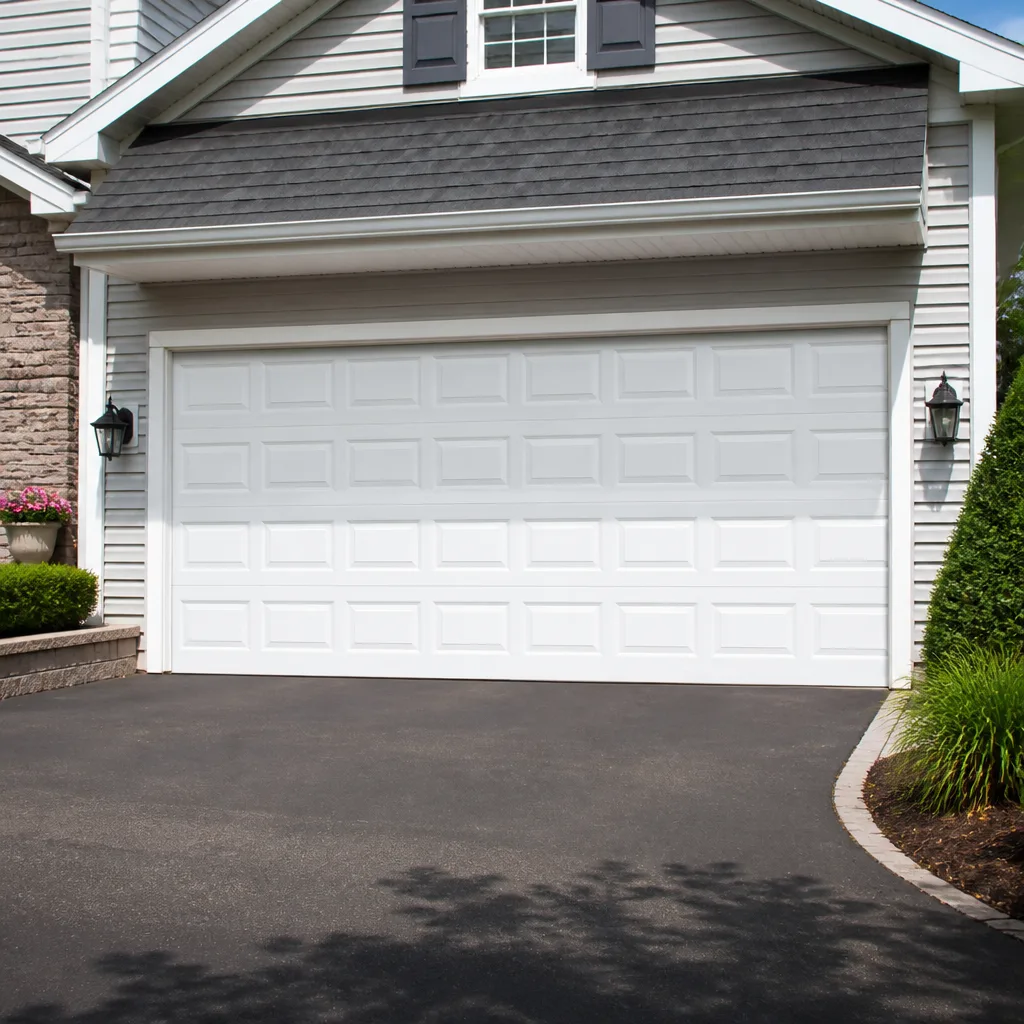 Raised-panel steel
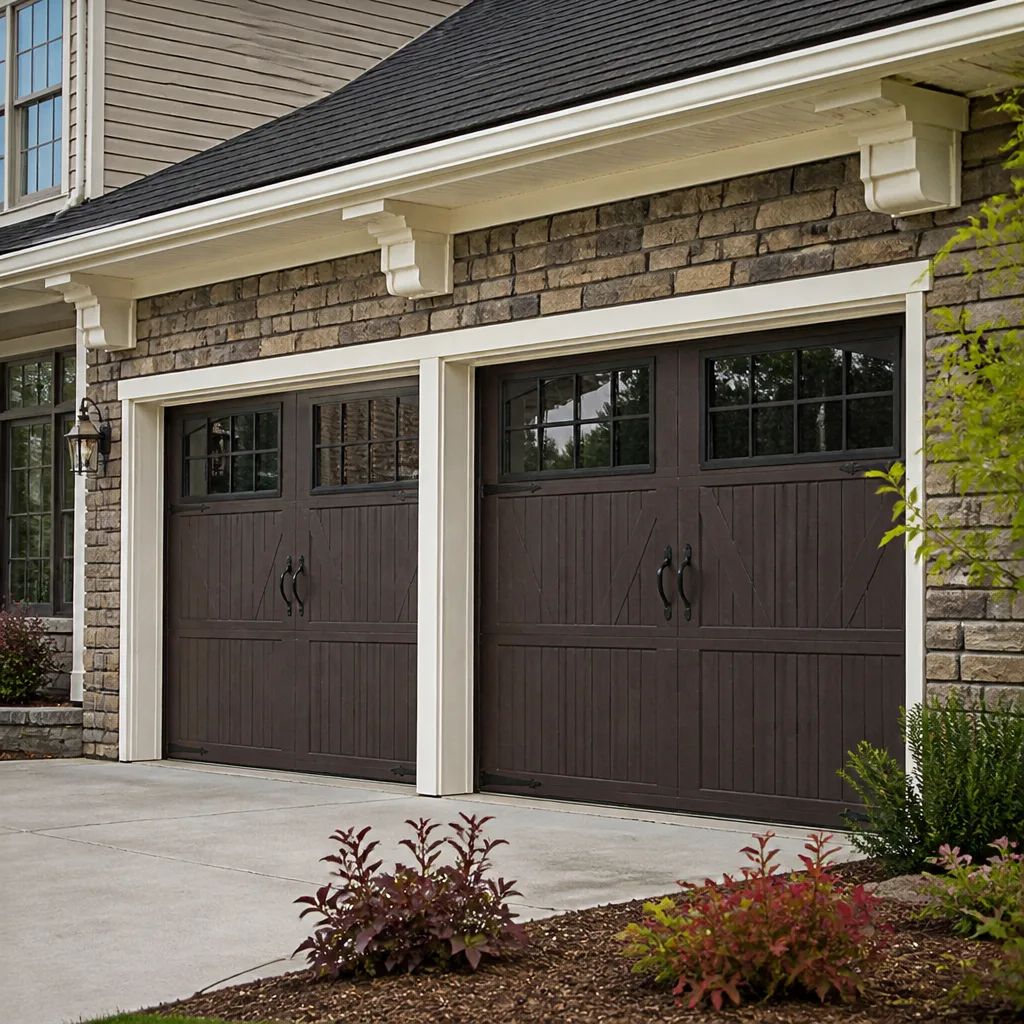 Carriage house
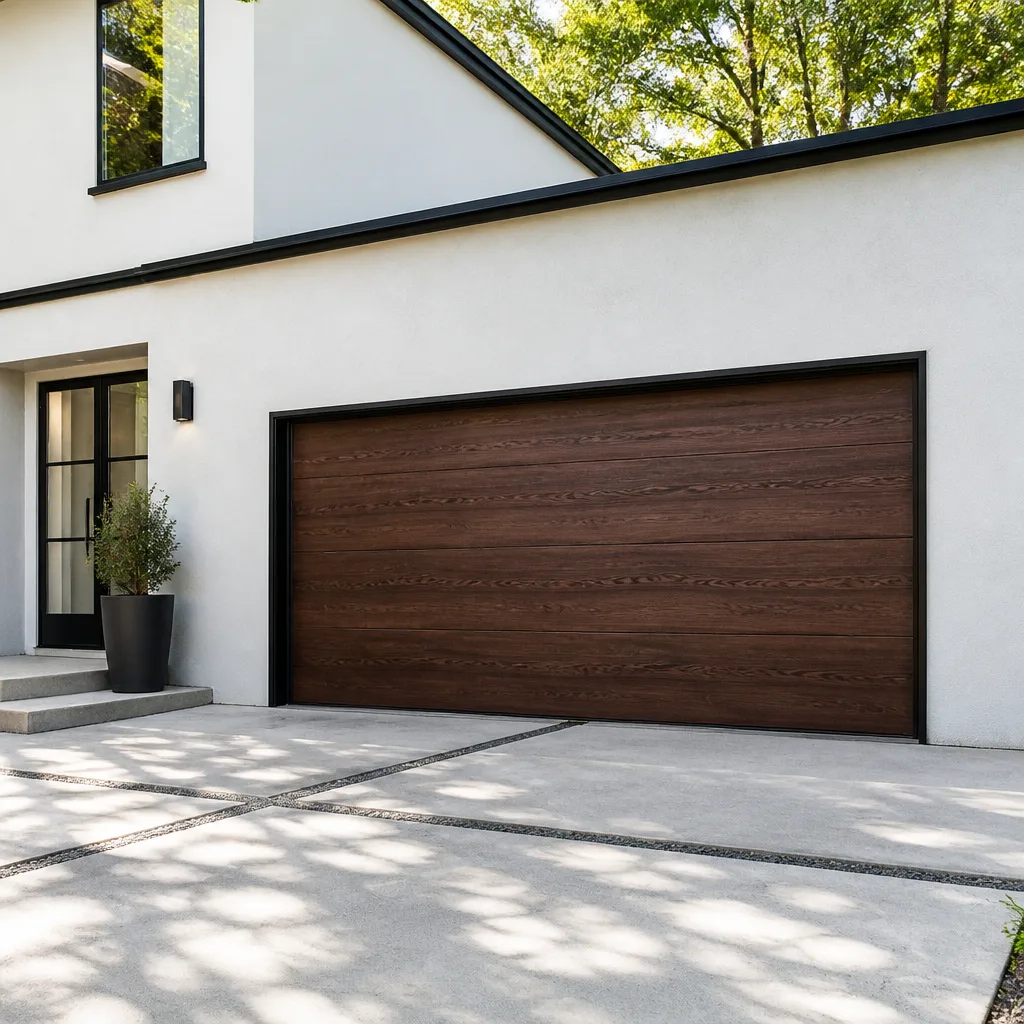 Modern flush
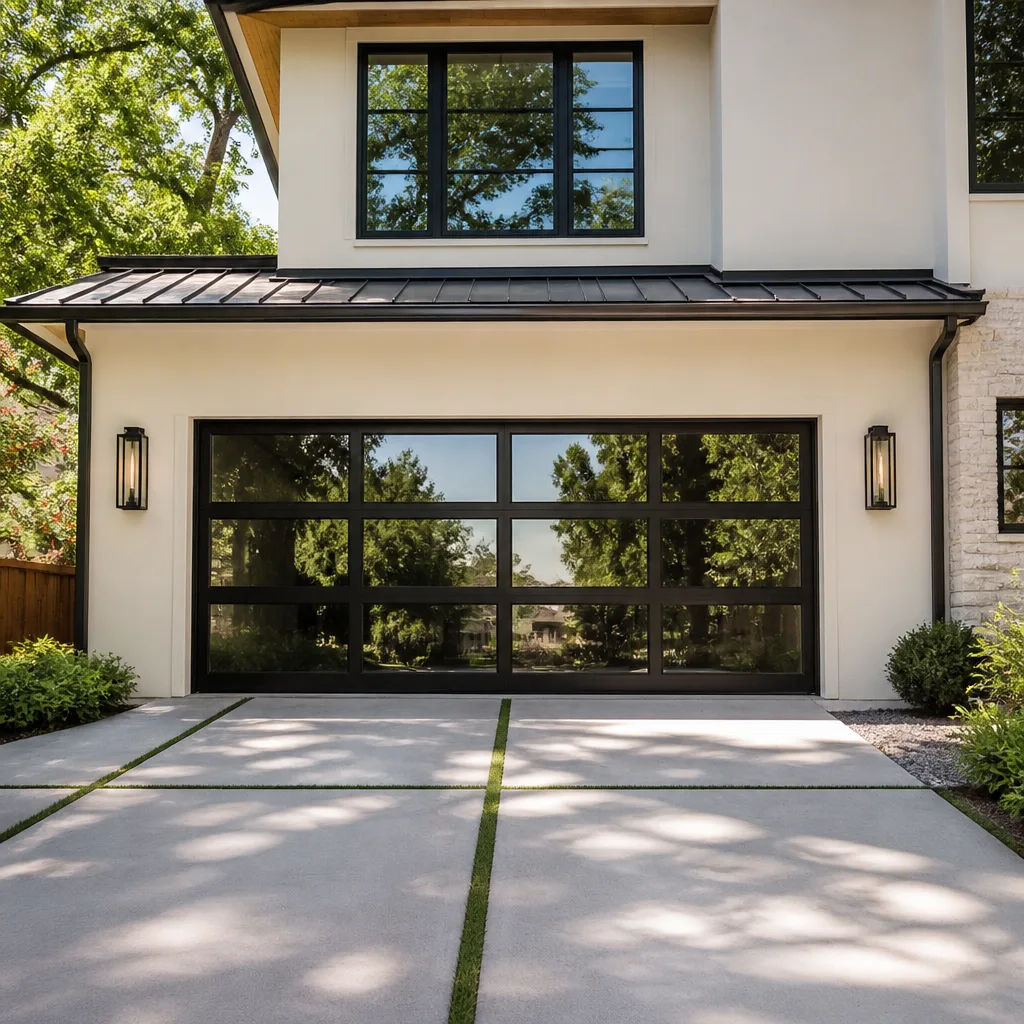 Full-view glass
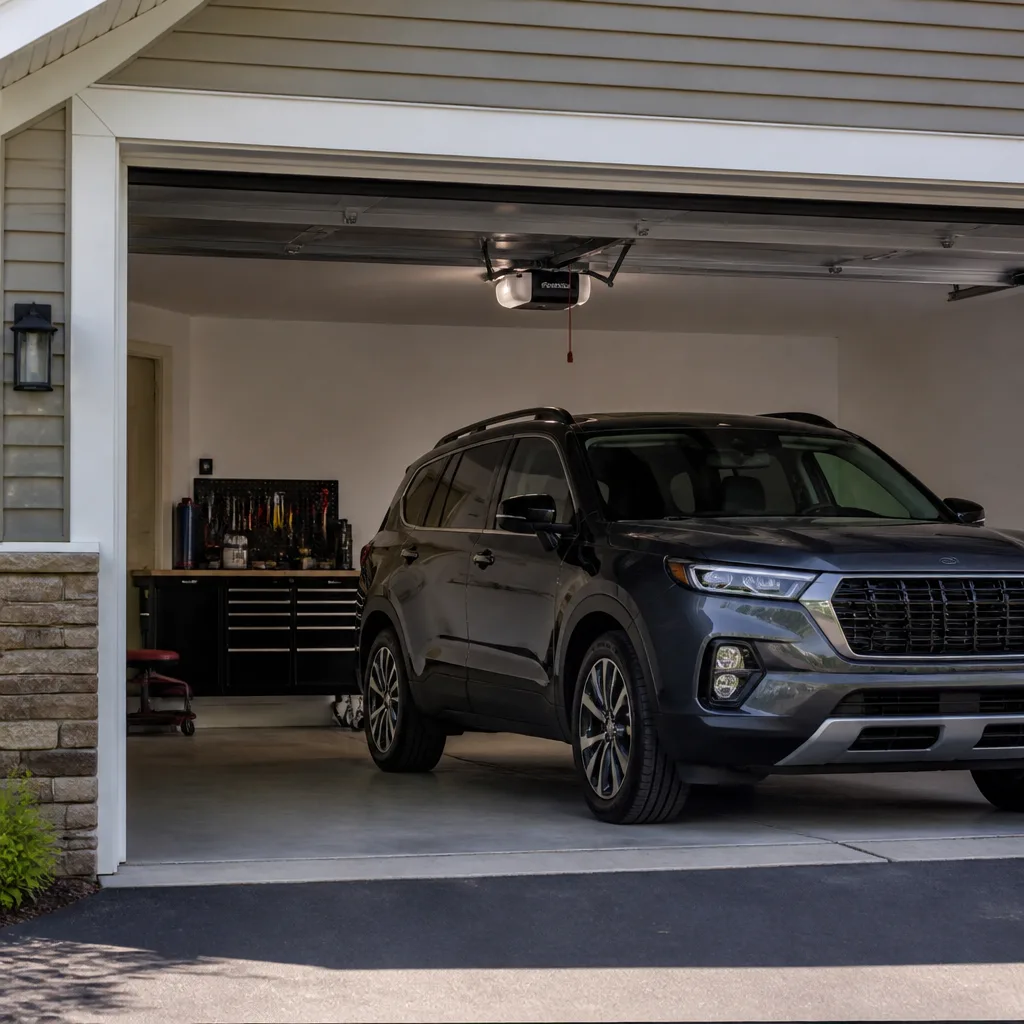 LiftMaster openers
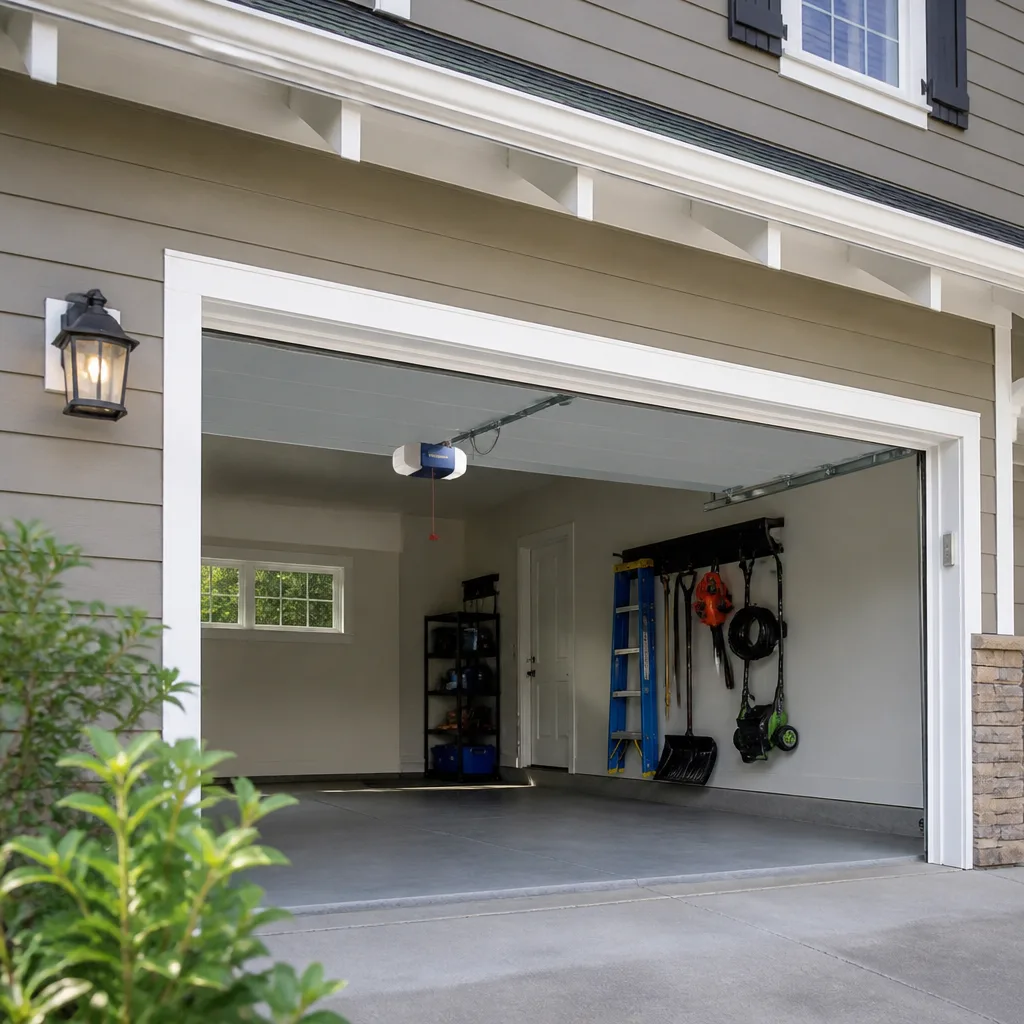 Chamberlain openers
Full 25-point door and opener safety check with every visit - springs, cables, rollers, tracks, and your LiftMaster or Chamberlain opener included
You get a price before we start. It does not change when the pro arrives.
Get your free estimateGarage Door Emergency Preparedness Guide for Beaumont Homes
Most Beaumont homeowners think a garage door emergency means a bent panel or a snapped spring. The harder truth is that the worst failures happen when the power goes out, the door is locked shut by the opener, and nobody in the house knows how to disengage it. A door that won’t open is a door that blocks your car, your supplies, and in the worst case your way out. That’s a planning problem, not a repair problem, and it’s solvable in an afternoon. This guide walks through the manual release on the openers most common in Beaumont homes, how to brace a door before a named storm, the right order to check damage afterward, what to photograph for insurance, and how to build a kit that works with no phone and no power.
Styles & brands we work with
- Raised-panel steel
- Carriage house
- Modern flush
- Full-view glass
- LiftMaster openers
- Chamberlain openers
Quick Answer
Garage door emergency preparedness in Beaumont comes down to four things: knowing how to pull the manual release on your opener, having a way to brace and lock the door when the power is out, checking storm damage in the right order before you press the button, and documenting everything for insurance before repairs start. Hurricane season in this part of Southeast Texas runs from June through November, so the work belongs in the spring, not the week a storm enters the Gulf.
Table of Contents
- Why Beaumont Homes Need a Garage Door Plan
- How to Disengage Your Opener When the Power Fails
- How to Manually Secure a Garage Door During a Named Storm
- Post-Storm Damage Assessment: What to Check and in What Order
- What to Document for TWIA and Homeowner’s Insurance
- Building a Pre-Season Garage Door Emergency Kit
- A Season-by-Season Preparedness Timeline for Beaumont
- Common Mistakes to Avoid
- When to Call a Professional
- Frequently Asked Questions
Why Beaumont Homes Need a Garage Door Plan
Beaumont sits in one of the most active hurricane corridors in North America. That’s not a scare line, it’s the reason a garage door plan belongs next to the flashlight-and-water checklist. Tropical systems that come ashore along the upper Texas coast bring sustained wind, driving rain, and days-long power outages to Jefferson County. When the grid goes down, the automatic openers in most Beaumont homes go down with it.
Here’s the part that catches people off guard: the failure that ruins a week often isn’t the wind. It’s the door that won’t move afterward. A power-outage-locked opener turns your garage into a sealed box. Cars stay inside. Generators, fuel cans and bottled water stay inside. Families who evacuated can’t get back in through the garage, and families who stayed can’t get out that way either.
A little context on what’s in Beaumont garages. The housing stock here runs from older bungalows in the North End and Amelia to 1960s and 70s ranch homes through the West End, plus newer construction out toward Bevil Oaks and the Fannett Road corridor. The older homes tend to have chain-drive openers and single-piece tilt-up doors or older sectional doors. Newer builds lean toward belt-drive and screw-drive openers from Chamberlain, Genie and similar makers, paired with insulated sectional doors. Each setup has a different feel at the release cord, and each fails differently in wind.
Add the local ground. Beaumont’s soils are heavy clay that swells after rain and shrinks in dry spells. That movement works on slab edges and door frames over time, which is why track misalignment and a door that scrapes or binds at one side is common here. A door that’s already slightly out of square going into a storm has less margin before wind racks it further.
How to Disengage Your Opener When the Power Fails
Every residential opener with a trolley has a manual release, and it’s the single most important thing to learn before storm season. The release disconnects the door from the opener’s drive so you can lift it by hand. On most openers it’s a cord with a handle hanging from the trolley carriage, and a firm pull toward the door (not straight down) trips it.
The catch is that disengaging a door with a broken spring is dangerous. When a spring snaps, the door can become extremely heavy, and letting it drop can cause serious injury. If your door feels unnaturally heavy when you lift it by hand, stop and call a professional rather than forcing it. Never stand directly under a door you’ve just released.
Release sequence for the openers common in Beaumont
- Identify your opener’s carriage. On LiftMaster and Chamberlain units, the release hangs from the trolley that rides the rail; the handle is usually red or a bright color. Genie openers use a similar pull-cord-and-handle arrangement. Find yours now, before you need it.
- Make sure the door is fully closed and the opener is idle. Don’t pull the release mid-travel. Let the door settle all the way down first.
- Pull the handle firmly toward the door. You’ll feel the carriage disengage from the drive belt or chain. The door is now on its own springs, tracks and hinges.
- Lift with your legs, not your back. Grasp the bottom section at the center and lift steadily. A properly balanced door should rise with modest effort. Heavy means a problem, not a challenge.
- Re-engage by hand when power returns. Close the door, then slide the carriage back onto the trolley until it clicks, and test a short cycle with the wall button.
If your door uses a jackshaft or side-mounted opener rather than a ceiling-mounted one, the release is on the side of the unit, not overhead. Snap a photo of your release location and tape it inside the garage door. During a storm, nobody needs a puzzle.
How to Manually Secure a Garage Door During a Named Storm
Automatic locks and openers depend on power. When a named storm is bearing down and the grid is already flickering, you need a way to hold the door that doesn’t need electricity. Wind pressure on a garage door is mostly a lateral push, so the goal is to stop the door from moving inward, rattling loose, or sliding up its tracks.
Temporary bracing
- Vertical bracing: Cut 2x4s to stand from the floor to just under the top section, wedged against the horizontal reinforcement strut. Two or three evenly spaced braces add real resistance to inward push.
- Horizontal braces: A 2×4 laid flat across the inside face of the door and screwed into the strut spreads the load across the panels.
- Reinforcement struts: If your door already has horizontal struts, that’s a head start. If it doesn’t, adding them before the season starts is one of the most useful upgrades for a wind-exposed Beaumont garage.
Sliding locks and deadbolts
Sliding barrel bolts mounted through the track into the door frame on both sides keep the door from lifting or shifting. A manual slide lock or deadbolt that doesn’t rely on the opener is worth installing well ahead of any storm. Hand-tighten the lock, not the opener’s automatic lock. When the power drops, the opener can’t lock anything.
For those with accordion-style hurricane panels or roll-down storm shutters over the garage opening, deploy them per the manufacturer’s instructions and confirm the anchoring hardware is sound before the season. A storm panel that’s missing a fastener is a panel that flaps and fails.
Post-Storm Damage Assessment: What to Check and in What Order
After a storm passes, resist the urge to hit the wall button and see what happens. A door that shifted or lost a spring can come down hard or bind and tear itself apart when the opener tries to move it. Check in this order, by hand, before you touch the opener.
- Walk the perimeter. Look at the door from outside first. Are panels dented, bowed, or separated? Is the door sitting square in the opening? Is anything leaning against or wedged into it?
- Inspect the tracks. Look for bends, kinks, and sections pulling away from the frame. Tracks that took a hit are the most common reason a door won’t move smoothly after a storm.
- Check the springs. Look at the torsion spring (the coiled spring on the shaft above the door) or extension springs (on the sides). A fractured spring shows a visible gap. Don’t touch it, don’t try to wind it, and don’t run the opener. Call a professional.
- Check the cables. Cables under tension can snap violently. Look for fraying, kinks, or a cable off its drum. If anything looks off, keep your hands clear and stop.
- Test the door by hand. Only if the panels, tracks, springs and cables look intact, lift the door manually to feel for grinding, binding or unexpected weight. If it moves smoothly, reconnect and try the opener.
If any step fails, don’t force it. The door stays closed and unpowered until a technician looks at it.
What to Document for TWIA and Homeowner’s Insurance
Texas windstorm coverage through TWIA and standard homeowner’s policies both require proof, and the clock on evidence starts ticking the moment you touch the door. Document before you repair, clean up or move anything.
Photo and video sequence to capture
- Wide shot of the whole garage and door from the street, including house number if visible.
- Close-ups of every damaged area – dents, buckled panels, bent tracks, freed cables, cracked spring.
- The opener and its model label, plus the door’s brand label. Clopay and Amarr both put labels on the door or frame.
- Interior shots showing water intrusion, twisted tracks, or anything that shifted inside.
- A short video walkthrough narrating what you see. It captures context a photo loses.
Preserve the evidence
Don’t throw out damaged panels or springs before the adjuster sees them. Keep all receipts and estimates. Write down the timeline: when the storm hit, when you first noticed the damage, whether the door was already showing wear. An adjuster who sees you documented carefully can process the claim faster, and a clean timeline protects you if damage is questioned later.
If your door is damaged enough that the home isn’t fully secure, ask your insurer about priority handling for emergency securing. If you need the door stabilized or replaced, you’ll want a written estimate to submit. Lantern Garage Door Repair provides free written estimates in Beaumont, and our technicians can walk you through exactly what failed, so your claim documentation is precise.
Building a Pre-Season Garage Door Emergency Kit
This kit costs far less than a ruined garage, and it’s the difference between a calm storm and a chaotic one. Put it together in one box and store it against the garage wall.
- A manual release key or cord handle labeled and reachable, in case the existing handle is missing or broken.
- Two fresh 9-volt and AA batteries for the opener’s backup and remotes. A battery-backup opener buys you a few more cycles.
- A printed instruction card with your manual release steps, your emergency contact number, and the release location diagram. It must work with no phone and no power.
- A hand-crank or battery-powered flashlight kept inside the garage, not inside the house.
- Sliding lock or barrel bolts, already installed, with a hex wrench or key stored with them.
- 2×4 braces cut and pre-fitted, labeled and stacked in a corner.
- Your repair company’s contact information written on the card, because a dead phone can’t look it up. Put (833) 549-9776 on it.
The principle behind every item: work without electricity, work without a phone, and require no searching when you’re under pressure. A homeowner who has this kit and has practiced the release once is a homeowner who doesn’t panic.
A Season-by-Season Preparedness Timeline for Beaumont
Hurricane season runs June through November here, but the real work happens in the shoulder months. Here’s how the year should go.
Spring (before June 1)
- Test the manual release on your opener, close the door, and re-engage it. Confirm the handle is present and reachable.
- Look for worn springs, cracking cables, or a door that binds.
- Install or re-tighten reinforcement struts and sliding locks.
- Change the opener’s backup battery if you have one.
- Assemble the emergency kit and write your instruction card.
June through November (hurricane season)
- Check the release cord any time a storm enters the Gulf.
- Deploy storm panels and braces if evacuation or a named storm landfall is expected.
- Keep the garage clear of anything that could block manual door movement.
Late fall and winter
- Inspect for summer wear: loosened hardware, track misalignment, and rust on the springs.
- Book a service check for anything that turned up during the season.
Common Mistakes to Avoid
- Waiting until the storm is named. Beaumont storm seasons fill up appointment calendars fast, and a storm-track forecast is the wrong time to discover your release cord is broken. Do the prep in spring.
- Hitting the wall button after a storm. A door that shifted or lost tension can bind or crash when the opener drives it. Always check by hand first.
- trying to fix a broken spring yourself. Springs store lethal energy. This is the single most dangerous garage door repair, and the one most often attempted after a storm.
- Pulling the release without checking the spring. Releasing a door with a broken spring can drop it. If the door feels too heavy to lift by hand, leave it alone and call.
- Assuming a newer opener is a storm-ready opener. A LiftMaster or Chamberlain with a battery backup still needs the release for long outages. Backup runs out.
- Letting the adjuster see damage you’ve already “fixed.” Don’t repair before documenting. Photos first, repairs second.
- Forgetting the garage after the storm. Homeowners rush to check the roof and forget the door took the wind face-on. Walk the door before you walk the rest of the yard.
When to Call a Professional
Call a technician when the door won’t move by hand, when it binds or grinds as it travels, when you see a visible break in a spring or a kinked cable, when a track is bent or pulling from the frame, or when panels are buckled enough that the door won’t seal. Also call when the opener runs but the door doesn’t move, or when a door that worked last week suddenly feels heavy. These are cases where operating the door can make the damage worse. In our experience, the homeowners who avoid major repairs during Beaumont’s storm season are the ones who had a door in proper working order beforehand. If your garage door needs an inspection or repair, Lantern Garage Door Repair offers free estimates in Beaumont. Call (833) 549-9776.
Frequently Asked Questions
Pull the manual release handle hanging from the opener’s trolley toward the door to disengage the drive, then lift the door by hand from the bottom center. Only do this if the door feels light enough to lift safely. If it feels heavy, a spring may be broken, and you should stop and call a professional.
Check panels first, then tracks, then springs, then cables, and only operate the opener after all four look intact and the door moves smoothly by hand. Beaumont storms can rack a door out of square without obvious exterior damage, so trust how it moves more than how it looks.
It helps for a short time, but it doesn’t replace the manual release. Battery backups buy a few cycles during an outage; they won’t carry a door through a multi-day grid failure, which is common after a landfall near Beaumont. Learn the manual release regardless of your opener’s backup.
By late spring, before June, so any worn springs, cables or tracks are corrected well ahead of the first named storm. Technicians book up quickly once a system is in the Gulf, so early is better.
It depends on the panel’s role. A cosmetic dent on an otherwise sound door may be repairable or may be left as-is; a buckled or separated panel that affects the door’s wind resistance or seals the opening should be replaced. A thoro technician can tell you which you have.
Costs depend on the job, but every estimate from us is written before any work starts, so you’ll know the price before anything is approved. Call (833) 549-9776 to schedule a free estimate and get a clear diagnosis.
The Bottom Line
Beaumont’s storm corridor makes garage door preparedness a practical necessity, not a maybe-someday project. The essentials are simple: know your manual release cold, have a way to brace and lock the door without power, check storm damage in the right order before you press a button, document everything for insurance before repairs, and build a kit that works with no phone and no electricity. Do the work in the spring, practice the release once, and the next storm becomes an inconvenience instead of a crisis. When your door needs a repair, a replacement, or a fresh inspection before the season, Lantern Garage Door Repair is here for it.
If your door has storm damage or simply isn’t ready for the season, we can help. garage door repair is what we do, along with garage door opener repair and full installation. If you’re across the region and want to find us, our Beaumont page has directions. Call (833) 549-9776 for a free estimate. We answer 24/7. Fast dispatch from 7am to 7pm, Sunday through Friday.
Written by the team at Lantern Garage Door Repair.
See the difference
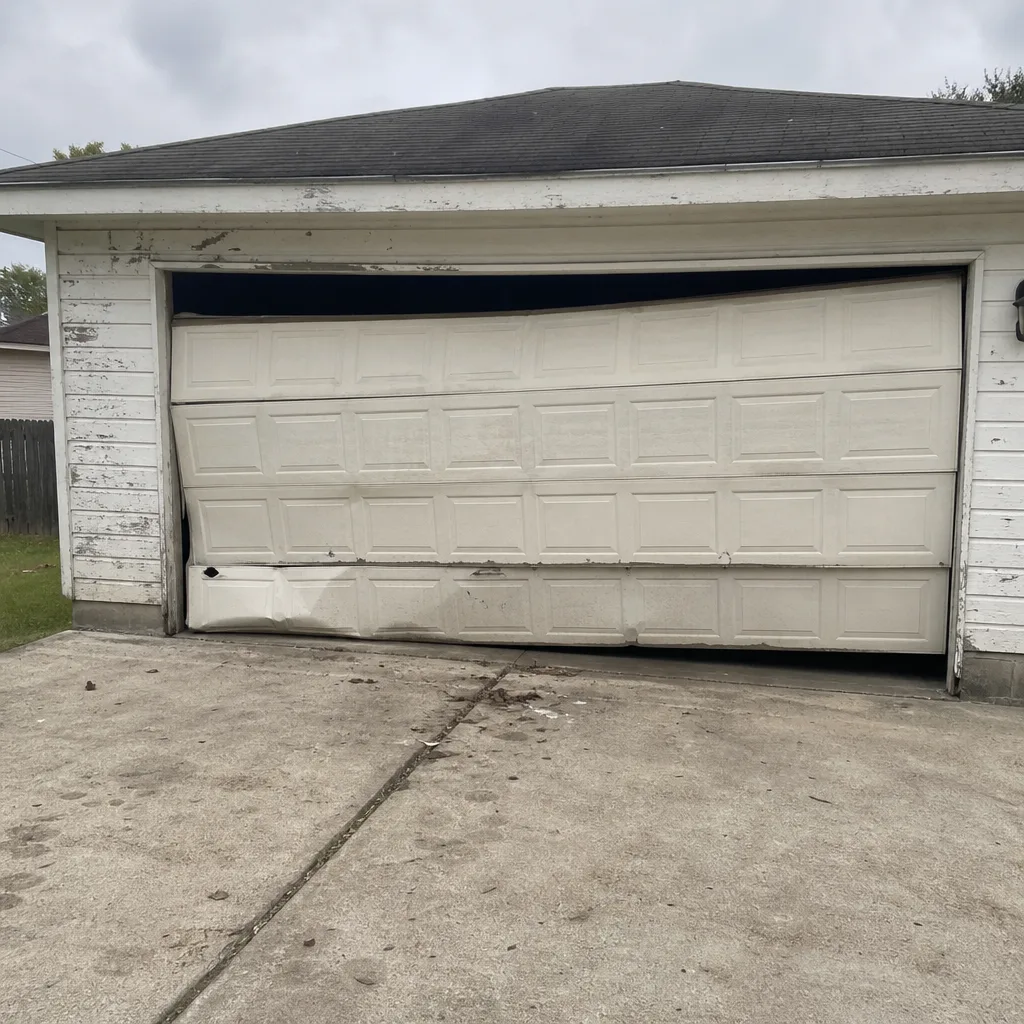 Before
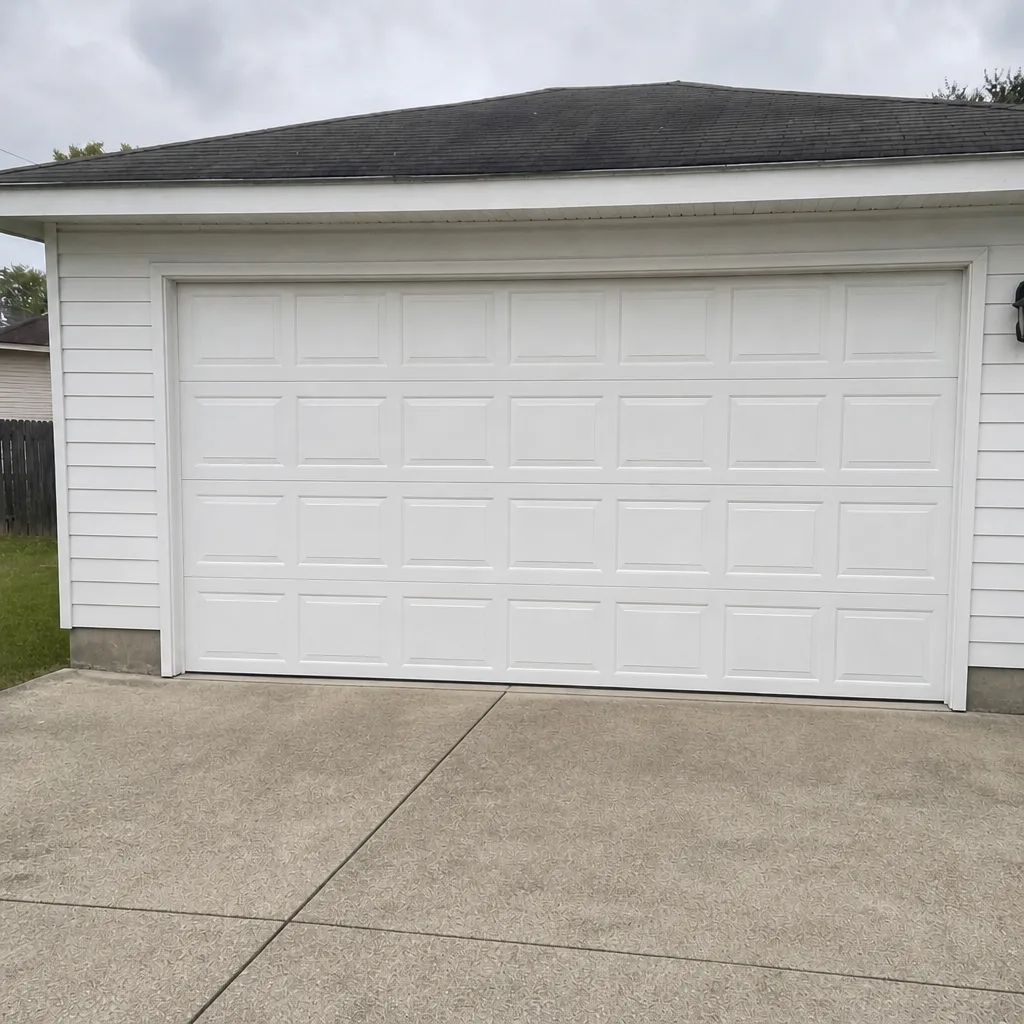 After
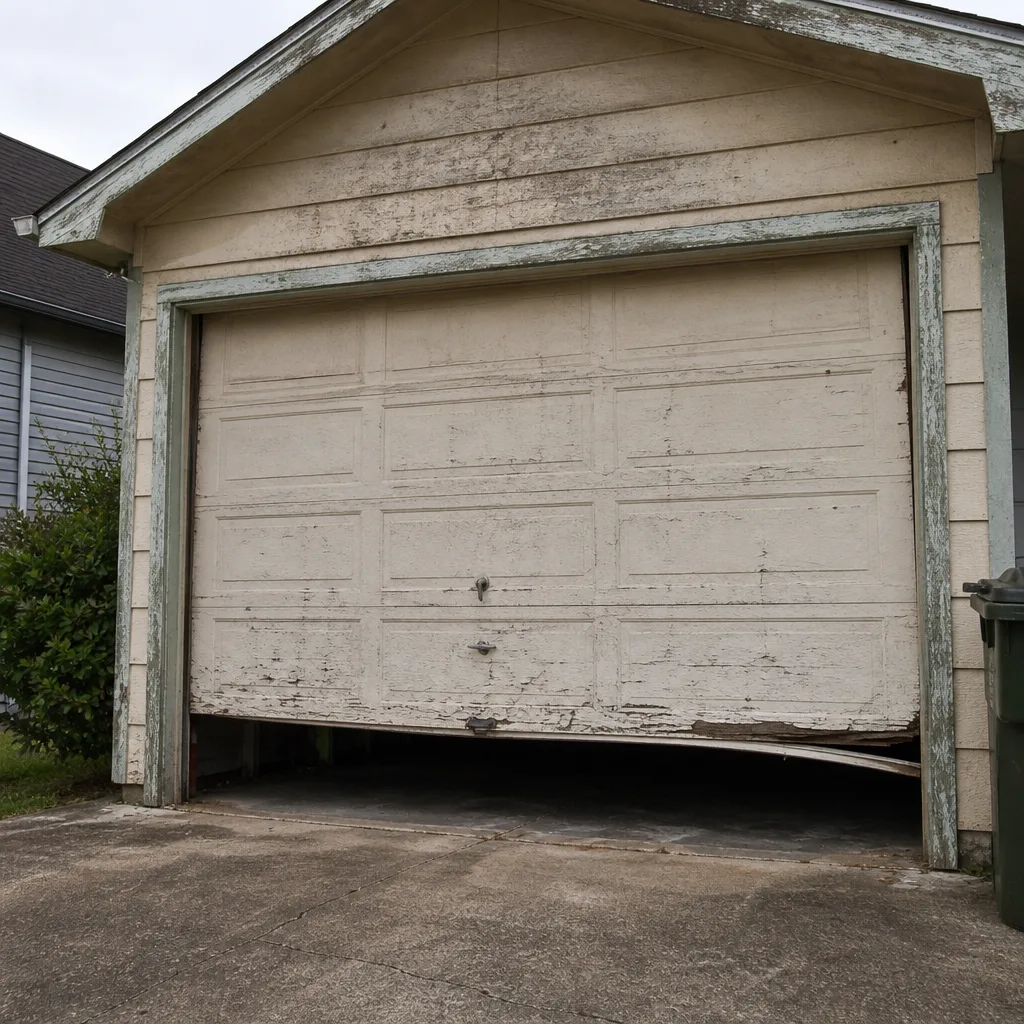 Before
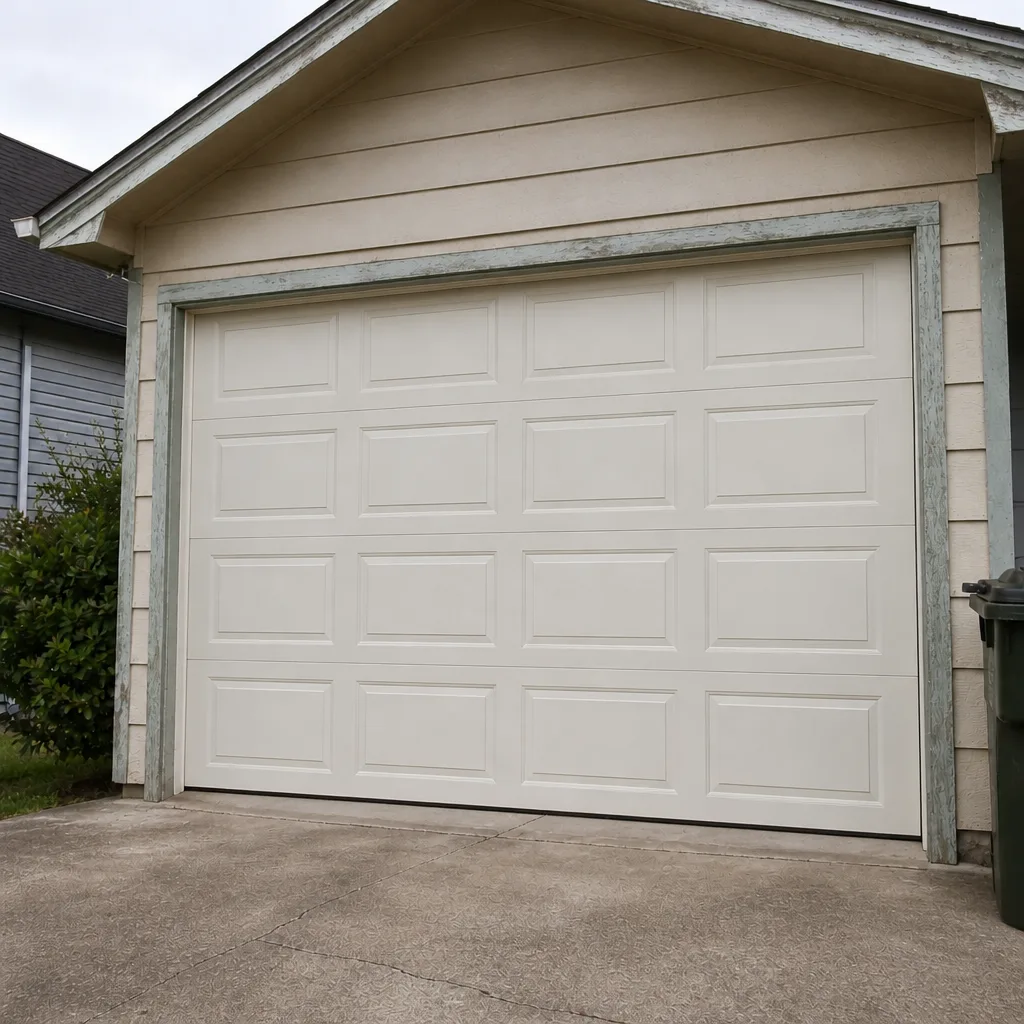 After
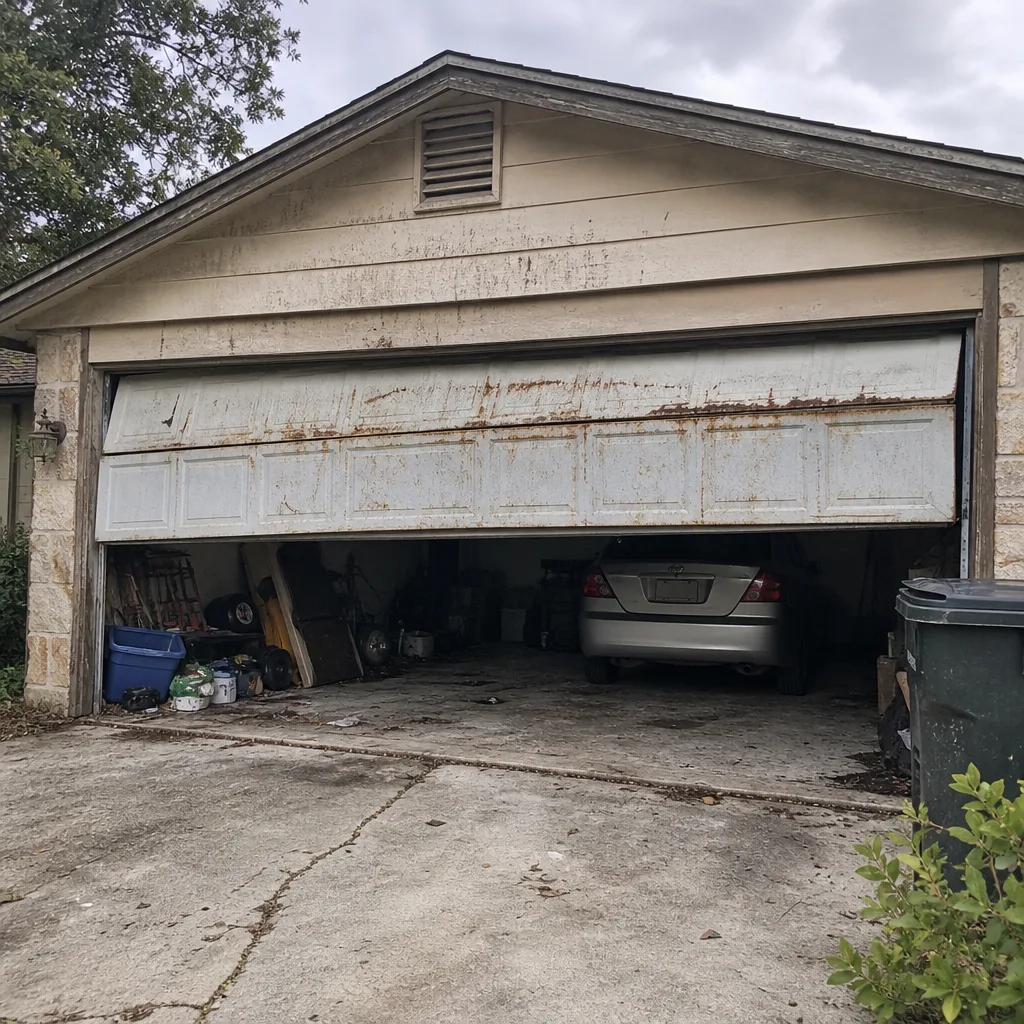 Before
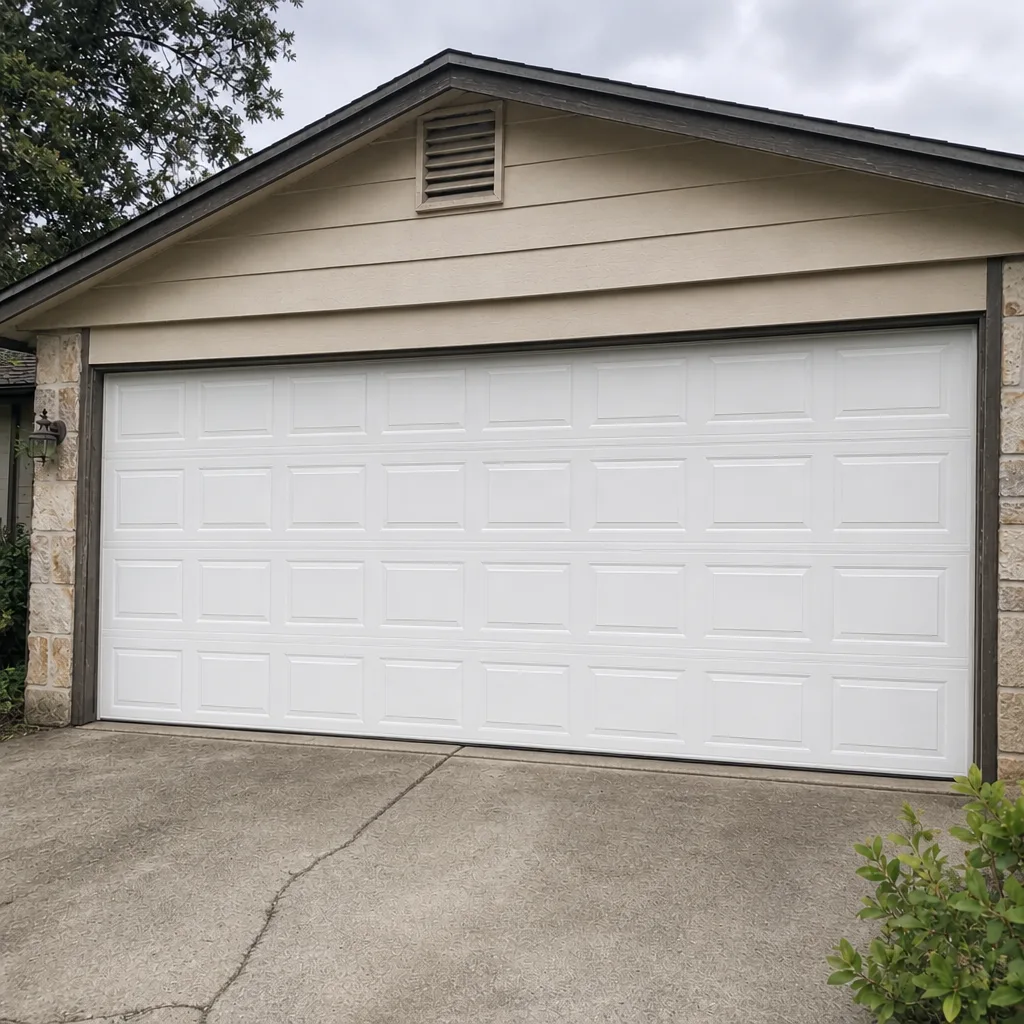 After