
Last updated November 14, 2026
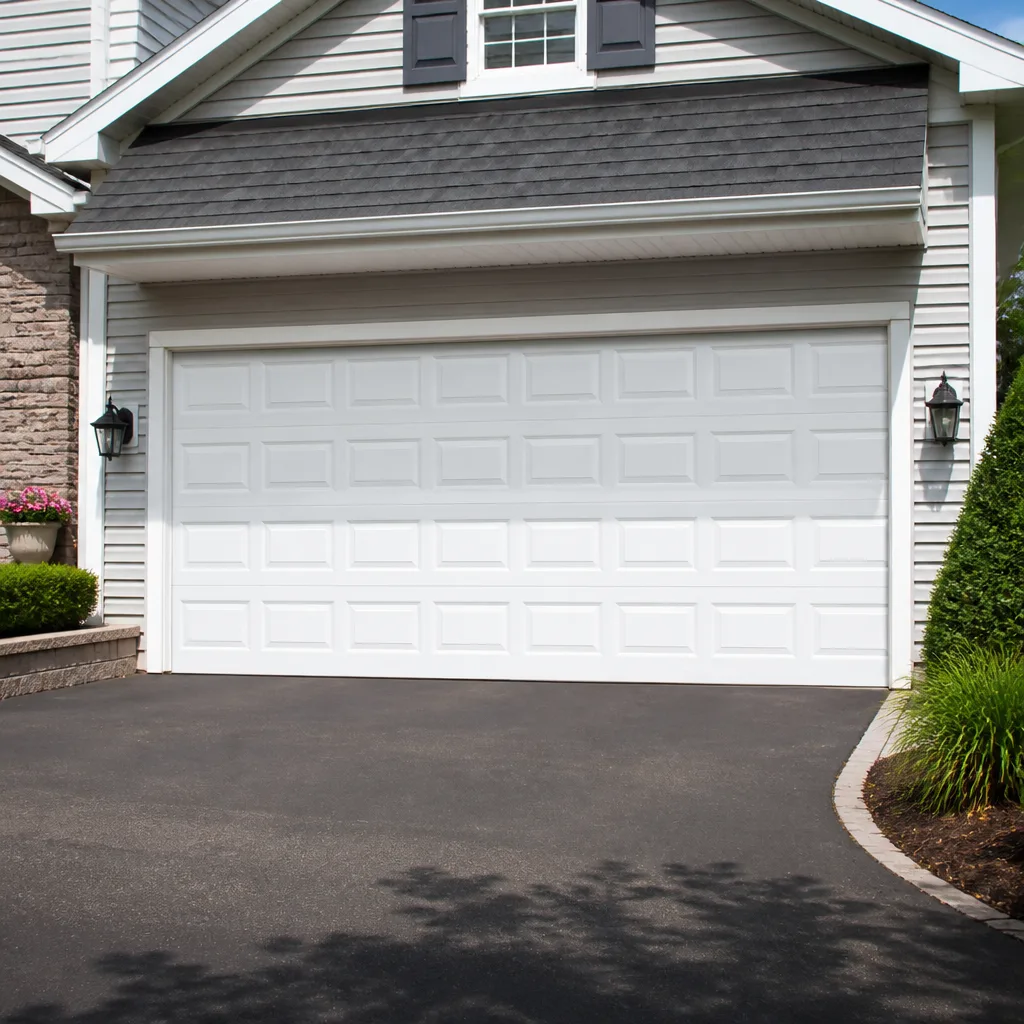 Raised-panel steel
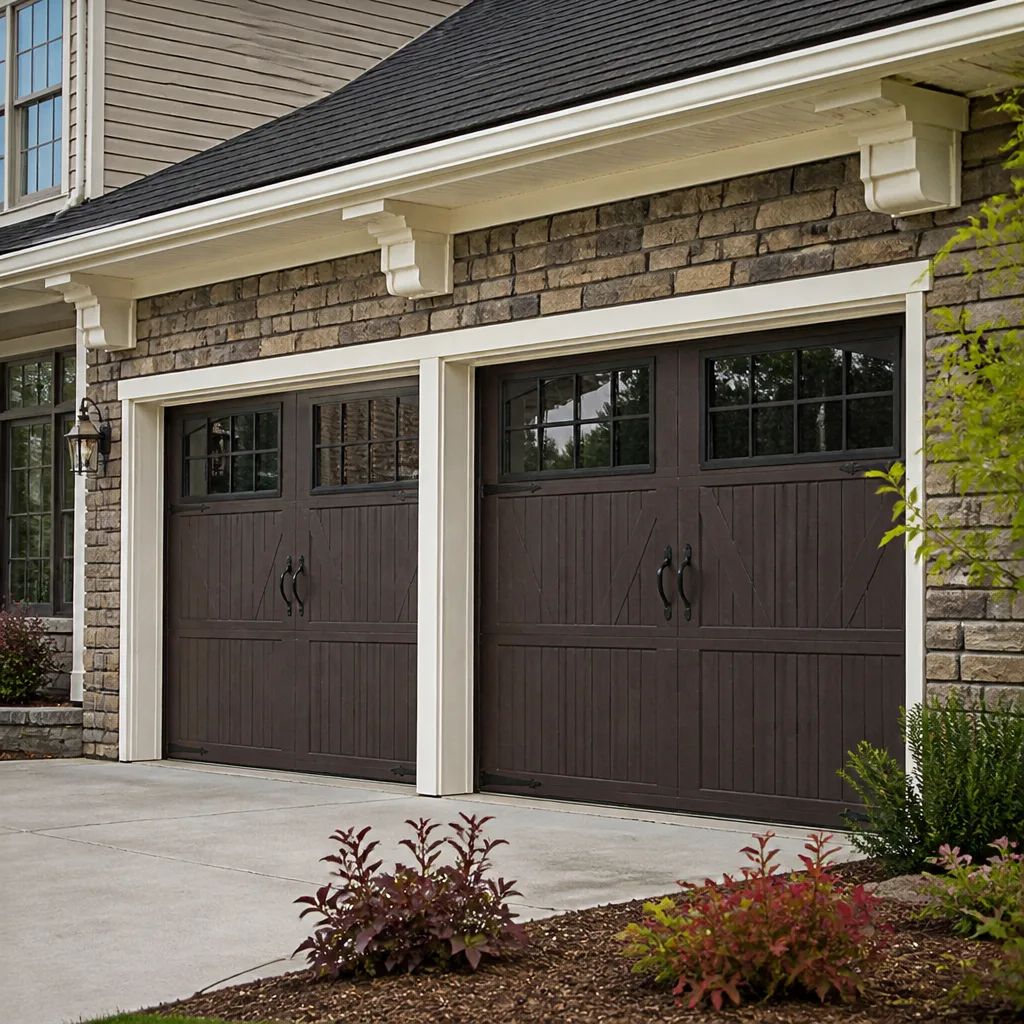 Carriage house
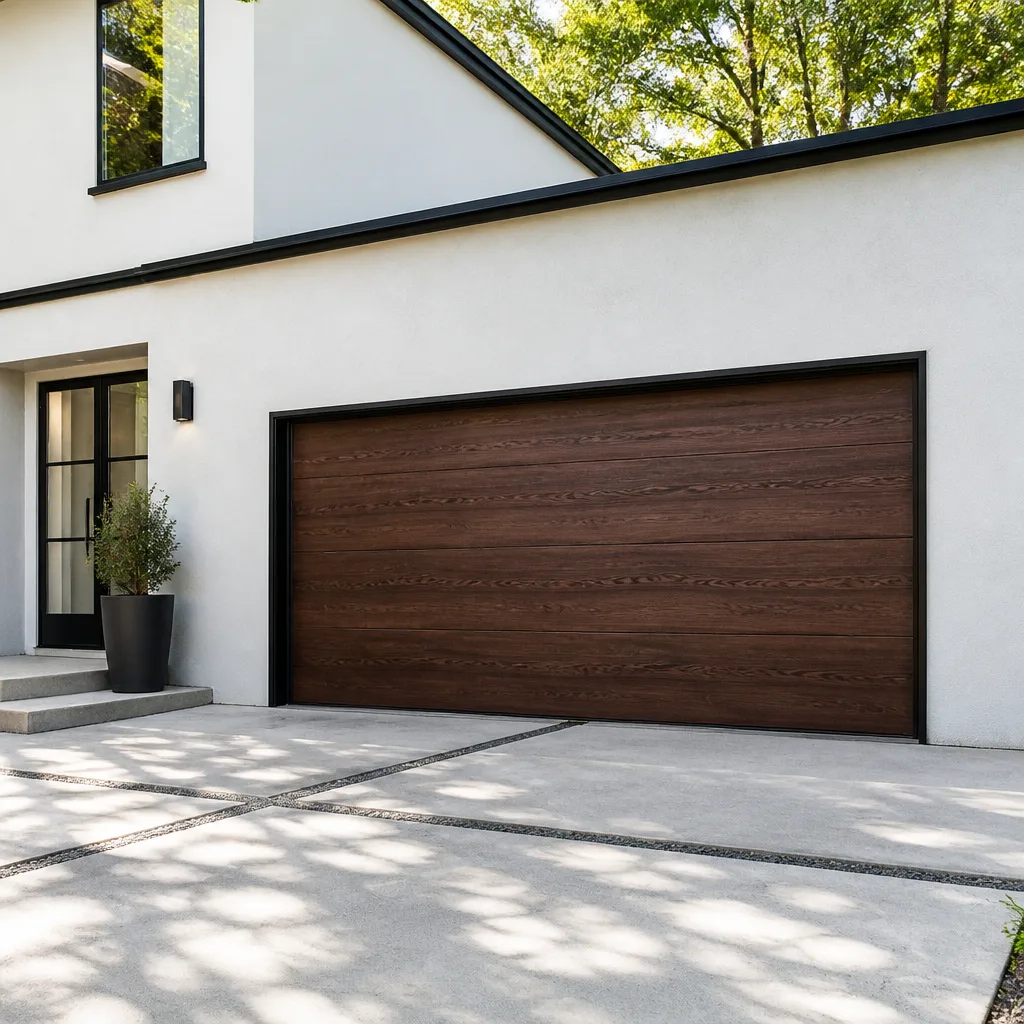 Modern flush
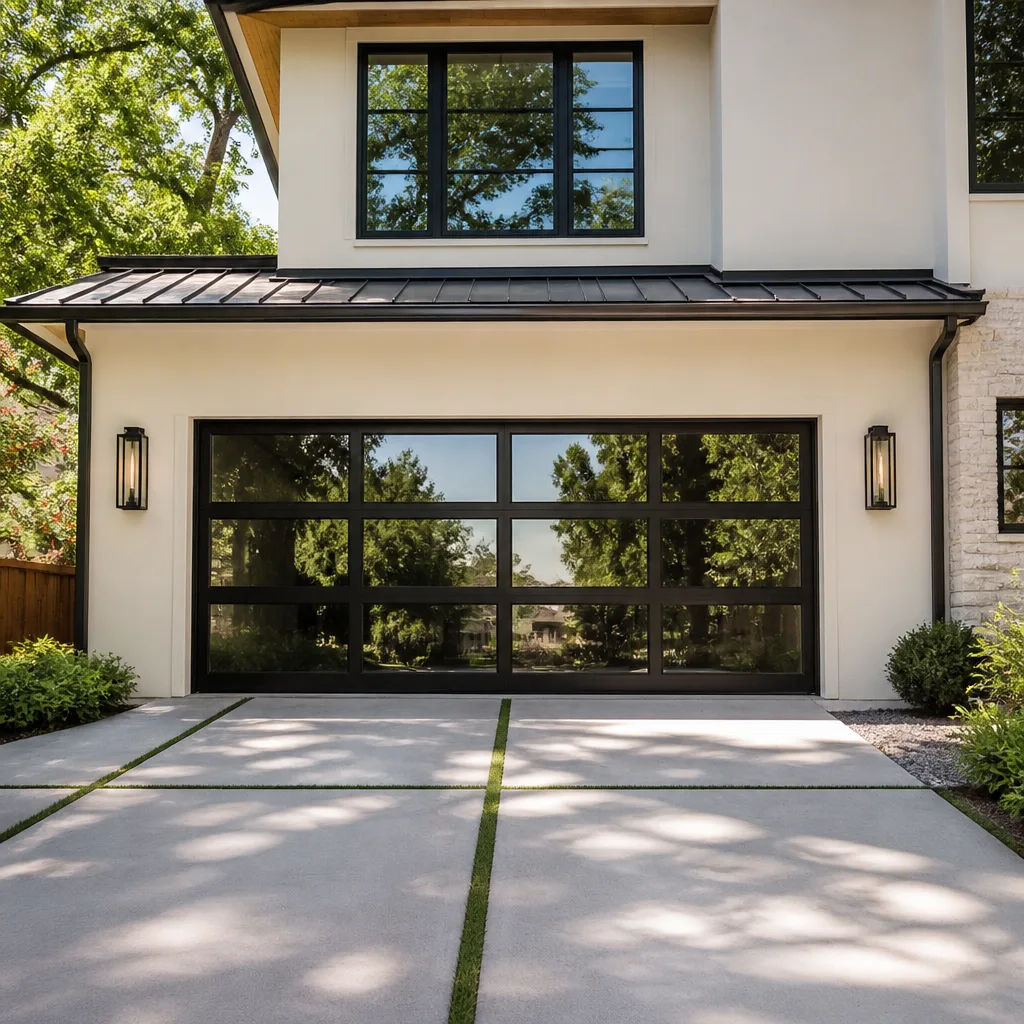 Full-view glass
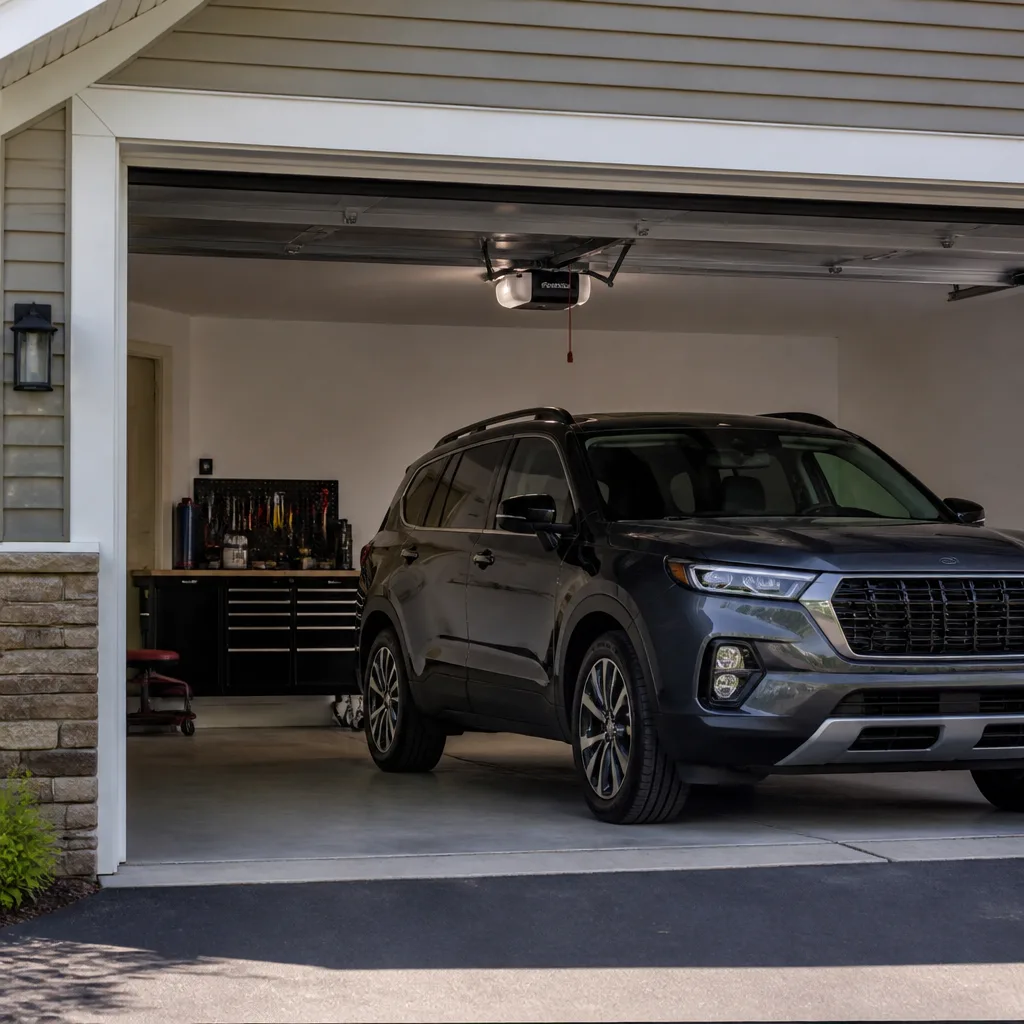 LiftMaster openers
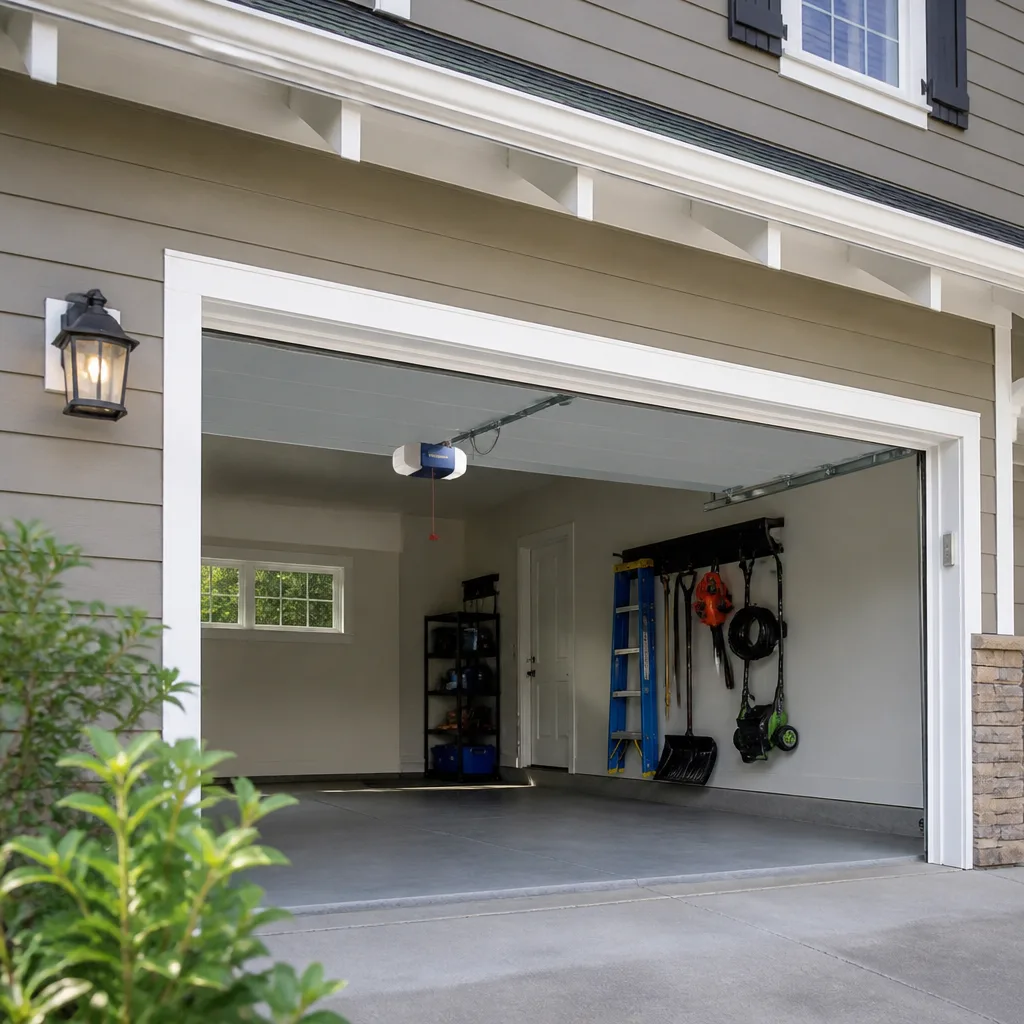 Chamberlain openers
Full 25-point door and opener safety check with every visit - springs, cables, rollers, tracks, and your LiftMaster or Chamberlain opener included
You get a price before we start. It does not change when the pro arrives.
Get your free estimateGarage Door Cost Breakdown: The Beaumont Homeowner’s Reference for 2026
Most garage door pricing advice you’ll find online is written for a national audience, and it shows. The numbers get built around big metro markets and then copy-pasted onto every city in the country. Beaumont doesn’t price like those markets, and the reasons run deeper than a local labor rate. Wind-load requirements on new doors, the cost of getting the right parts into a smaller regional market, and the swings that follow storm season all move the number up or down here in ways a national average simply doesn’t capture. This guide breaks down the five most common jobs by line item, explains what’s really bundled inside “parts and labor,” and shows how to read a quote so you know what you’re paying for. By the end you’ll have a reference point for Beaumont that no generic calculator can give you.
Quick Answer
Garage door repair in Beaumont typically runs $180 to $340 for a single torsion spring, $220 to $450 for an opener replacement, and $250 to $600 for a panel or section replacement, depending on the brand and whether the part is stocked locally. A full door replacement usually lands between $1,400 and $4,200 installed, and Jefferson County wind-load requirements can add meaningful cost to that installation. Every price is an estimate set per job by a written quote given before any work starts.
Styles & brands we work with
- Raised-panel steel
- Carriage house
- Modern flush
- Full-view glass
- LiftMaster openers
- Chamberlain openers
Table of Contents
- Why Beaumont Pricing Runs Higher Than National Averages
- The Five Most Common Jobs, Broken Down by Line Item
- Wind-Load Requirements and What the Upgrade Actually Buys You
- How Storm Season Moves Labor Pricing in Beaumont
- What “Parts and Labor” Really Obscures
- The Ten-Year Cost of Ownership: Mid-Grade vs. Budget Door
- How to Read a Quote in Five Steps
- Common Mistakes to Avoid
Why Beaumont Pricing Runs Higher Than National Averages
Beaumont sits in a market that doesn’t look like the ones the national cost calculators are built around. A few structural forces push the price of garage door work up here, and none of them are anyone cutting corners. They’re just the shape of doing business in Southeast Texas.
The first is wind. New door installations in this region have to account for wind-load requirements that a lot of the country never has to think about. That means heavier-gauge hardware, stronger track anchoring, and reinforced sections. Those aren’t optional frills – they’re what the installation has to do to perform when a strong storm rolls through. The second is parts logistics. Beaumont is a smaller market, so the brands that are stocked on shelves in a big metro sit one or two supply links further away here. When a specific part has to be sourced rather than pulled from a local shelf, that shows up in the price. The third is storm-season labor demand. After a weather event moves through the Gulf region, repair calls can jump sharply, and demand pulls labor pricing with it.
Stack those three together, and it’s easy to understand why a quote in Beaumont can come in higher than the generic number you saw online for the same described job. It’s not that you’re being overcharged automatically. It’s that the reference point most homeowners are comparing against was never built for this market in the first place.
What you gain from understanding this is leverage. When you know which costs are structural and which are variable, you can tell a fair quote from an inflated one. That’s the whole purpose of a Beaumont-specific reference: not to memorize a number, but to understand why a number moves.
The Five Most Common Jobs, Broken Down by Line Item
These are the five jobs that make up the bulk of garage door work in Beaumont, with realistic 2026 ranges. Treat each as an estimate for planning. The written quote sets the final price, and it’s given before any work begins.
1. Torsion spring replacement. A single spring typically runs $180 to $340. Note that springs are usually replaced as a matched pair, because they wear together – a pair runs about twice the single-spring price. The range varies with spring size, cycle rating, and whether the part is on a local shelf.
2. Opener replacement. A full opener replacement – motor, rail, and safety hardware – usually lands between $220 and $450 for a standard unit. Smart-drive systems from LiftMaster, Chamberlain, or Genie can push toward the top of that range depending on the features and the wiring the existing setup needs.
3. Panel or section replacement. One damaged section, common after a stray impact, typically runs $250 to $600. The variable here is matching the profile and color to your existing door – an exact match keeps the cost in range; a discontinued profile can push it higher or force a wider replacement. Clopay and Amarr panels are both commonly matchable.
4. Full door replacement. A standard single-car door installed usually runs $1,400 to $4,200 depending on material and insulation; a double door pushes toward the top of that band or above. Wind-load upgrades can add to the installation cost – see the next section.
5. Cable repair. A frayed or popped lift cable typically runs $150 to $300, often bundled with spring work since the two wear together. Cables are high-tension components – this is not a job for homeowner tools.
A quick way to sanity-check any quote: separate the part, the labor, and the disposal. If a single line item swallows the whole number, ask what’s inside it. That’s exactly the kind of question a dedicated specialist is happy to answer, and it’s the reason we built a garage door repair reference that walks through each failure in plain language.
Wind-Load Requirements and What the Upgrade Actually Buys You
If you’re replacing a door in Beaumont, you’ll likely run into wind-load requirements that add cost compared to a budget install. The question every homeowner asks is whether that upgrade is worth paying for. In this region, it usually is – and not just for the obvious reason.
Wind-load requirements exist because a garage door is one of the largest openings in the building envelope. When strong wind meets a garage door, the door is the first thing that fails, and a failed door can compromise the wall it’s framed into. A wind-rated install addresses that with heavier hardware, deeper track anchoring into the framing, and reinforced sections that hold their shape under pressure. What you’re buying is structural integrity under stress, not a cosmetic upgrade.
On the insurance side, a wind-rated door is part of a broader picture of how well-protected the structure is. Whether that translates into any specific premium benefit depends on your carrier and your policy, and that’s a conversation to have with them directly – we don’t quote insurance outcomes. But the structural point stands regardless: a door that holds up under load protects the rest of the opening.
What this means for pricing is that a real Beaumont installation quote will specify the wind rating of the door and the anchoring method. If it doesn’t, ask. A quote that treats wind rating as an afterthought is either not accounting for it or quietly leaving it out, and that’s a gap you want to close before signing anything. Check with Beaumont’s building department on what the current requirement is for your property and let that number guide the comparison.
How Storm Season Moves Labor Pricing in Beaumont
Timing is one of the most underrated cost variables in garage door work. When you schedule a job can move the price as much as which brand you choose. In Beaumont, the pattern follows the Gulf storm calendar.
When a significant weather event moves through the region, repair demand spikes. Doors that were already marginal give out. Sections get dented. Openers that were on their last legs quit. In those weeks, labor availability tightens and the price of non-emergency work climbs along with it. If your door is functional but aging, that’s the worst moment to be booking a replacement – you’ll be paying peak demand for something that could have been scheduled.
The strategic move is to schedule non-emergency work in the quieter stretch – the months when storm activity is low and crews aren’t stretched. If your door is making a new noise, if a section is showing wear, if your opener is from a generation or two back, that work is cheaper to do before the crunch than during it. Emergency repair you can’t avoid. Preventive scheduling you can.
A practical check, whatever the season:
- Listen for new sounds – grinding, popping, or a straining motor.
- Check the door balance by hand with the opener disconnected – it should rise smoothly and sit level.
- Look for fraying on the lift cables and wear on the rollers.
- Watch for sections that sag or gaps that appear at the frame.
- Test the opener’s safety reversal and the photo-eye alignment.
If any of those flags come up, book the work before the weather turns. It’s the same reasoning behind the garage door opener repair guidance we keep for the region: a small fix scheduled early is a much smaller number than a failure in a storm week.
What “Parts and Labor” Really Obscures
A quote that reads “parts and labor: $X” tells you almost nothing useful. It hides where the part came from, how much of the total is markup, and whether what’s going in is manufacturer-spec or an improvised substitute. On a garage door, all three matter – the part determines how long the repair lasts, and the repair lasts only as long as the cheapest component in it.
Here’s what to break any quote into before you approve it:
- Part origin. Is the part a brand-matched component for your system, or a generic aftermarket substitute? A LiftMaster opener wants LiftMaster-compatible electronics. Raynor and Clopay doors have their own profile and hardware conventions. Brand-matched parts cost more but last and fit correctly.
- Always-aftermarket components. Springs and cables are often aftermarket even in a brand-matched quote. That’s normal – but you should know the cycle rating, because that’s what determines lifespan. Ask for it.
- Markup transparency. Every quote includes some markup on parts. What you’re checking is whether it’s reasonable, not whether it exists. If the part cost isn’t separable from the labor line, ask for it separated.
- Salvage risk. A quote that quietly reuses an old part to lower the number looks attractive until the old part fails first. The question to ask: what’s the age and condition of anything being reused?
- What’s excluded. Disposal, hauling the old door, re-painting the frame, and opening the wiring are all things a quote might leave out. Ask what’s included before you compare totals.
Our standing practice is to give you a clear diagnosis and a plain-language explanation of the problem and cost before any work is approved. That’s the transparency standard we hold to on every job. If a quote in front of you doesn’t help you understand what you’re paying for, that’s a fair concern to raise. A specialist who knows the equipment – whether it’s across LiftMaster, Chamberlain, Genie, Raynor, or any of the other major brands – will happily separate the lines.
The Ten-Year Cost of Ownership: Mid-Grade vs. Budget Door
The purchase price isn’t the cost of a door. The cost of a door is what you pay for it plus what you pay to keep it working. Over ten years in Beaumont’s climate, the gap between a mid-grade insulated steel door and a budget door widens considerably – not because either one is a bad product, but because they age at different rates.
The climate drives this. Heat and humidity are constant presences in Beaumont, and a garage that isn’t climate-controlled will swing with both. A budget door with thin steel and no insulation deals with more thermal expansion and contraction, which puts stress on the joints and hardware. A mid-grade insulated door holds its shape more steadily. Over ten years, the budget door tends to need more hardware refresh, more frequent adjustment, and earlier panel attention. The insulated door also does more thermal work for you – a garage separated from the house by an insulated door stays closer to the temperature of the house, and that shows up in the room above it and along the shared wall.
The comparison isn’t automatic, and a mid-grade door isn’t right for everyone. If the garage is detached and unheated, an insulated door is buying you less. If your budget is the binding constraint, a well-installed budget door with proper wind anchoring will outperform a mid-grade door installed badly. The point isn’t to spend more – it’s to understand what the higher price actually delivers and to weigh it against the repair frequency it’s likely to save.
A ten-year frame, roughly:
- Budget door, initial cost: lowest.
- Budget door, likely repairs: higher frequency – hardware, rollers, adjustment, panel attention.
- Mid-grade insulated door, initial cost: higher – wind-rated anchoring pushes this up in Beaumont.
- Mid-grade insulated door, likely repairs: lower frequency – hardware holds up longer; insulation reduces thermal cycling on the door body.
- Energy impact: an insulated door reduces the thermal gap between garage and living space; the effect is smaller for a detached garage.
If the gap between budget and mid-grade in a quote feels large, the right question isn’t “which is cheaper?” It’s “which one costs less to own over ten years in this climate, given how I use the garage?” That’s a question a specialist can help you think through before you commit. Our free estimate will lay out both sides in writing.
How to Read a Quote in Five Steps
Here’s a repeatable way to work through any quote you receive, so you can compare apples to apples and know exactly what you’re approving.
- Identify the part being replaced and its brand. If the quote doesn’t name the part, ask. Brand-matched parts matter – especially on openers and on the brand-specific hardware on Raynor and Clopay doors. A generic replacement isn’t automatically wrong, but you should know what you’re getting.
- Separate parts from labor. Two lines, two numbers. If it’s one line, ask for it split. That single change makes the quote readable.
- Check the wind rating on any installation quote. If you’re replacing a door in Beaumont, the quote should state the wind rating and the anchoring method. If it doesn’t, that’s the first question to ask.
- Ask what’s excluded. Disposal of the old door, hauling, painting, sealing, wiring changes – all of these can appear as extras on the final invoice if the quote didn’t include them. Get them named upfront.
- Confirm the price is the price. The written quote is what you pay. If the number can move once work starts, that needs to be spelled out in writing before you approve – not discovered on the invoice.
Running through these five steps takes ten minutes and consistently saves more than that. It’s also exactly the kind of conversation we want to have before any work is approved – visit our main page to see how we approach a job, or read more about Beaumont service. Clear diagnosis, no surprises: that’s the standard.
Common Mistakes to Avoid
- Treating a national average as a local number. A calculator built for a big metro has no idea about wind-load requirements or Beaumont parts logistics. Use it as a floor, not a target.
- Approving “parts and labor” as a single line. You can’t evaluate what you can’t see. Split the line before you sign.
- Cheaping out on a non-brand-matched opener component. An aftermarket board that fits the connectors won’t necessarily play well with a LiftMaster or Genie logic system. Match the brand on openers.
- Scheduling replacement during a storm-week crunch. Emergency work you can’t avoid, but planned work is cheaper in the quiet stretch. If your door is aging but functional, book the replacement before demand spikes.
- Ignoring the wind rating on a new install. A great-looking door installed without proper wind anchoring is a liability in a Beaumont storm. Ask what rating and anchoring the quote specifies.
- Replacing panels without checking the profile. A panel that doesn’t match the original door will read as a patch – and on a discontinued profile, it can force a wider replacement. Confirm the match before you approve.
- Assuming a generalist is a specialist. A handyman who does a dozen trades rotates through them, and garage door work has enough system-specific quirks to punish a rotation. Use a dedicated specialist for anything on the door or opener.
See the difference
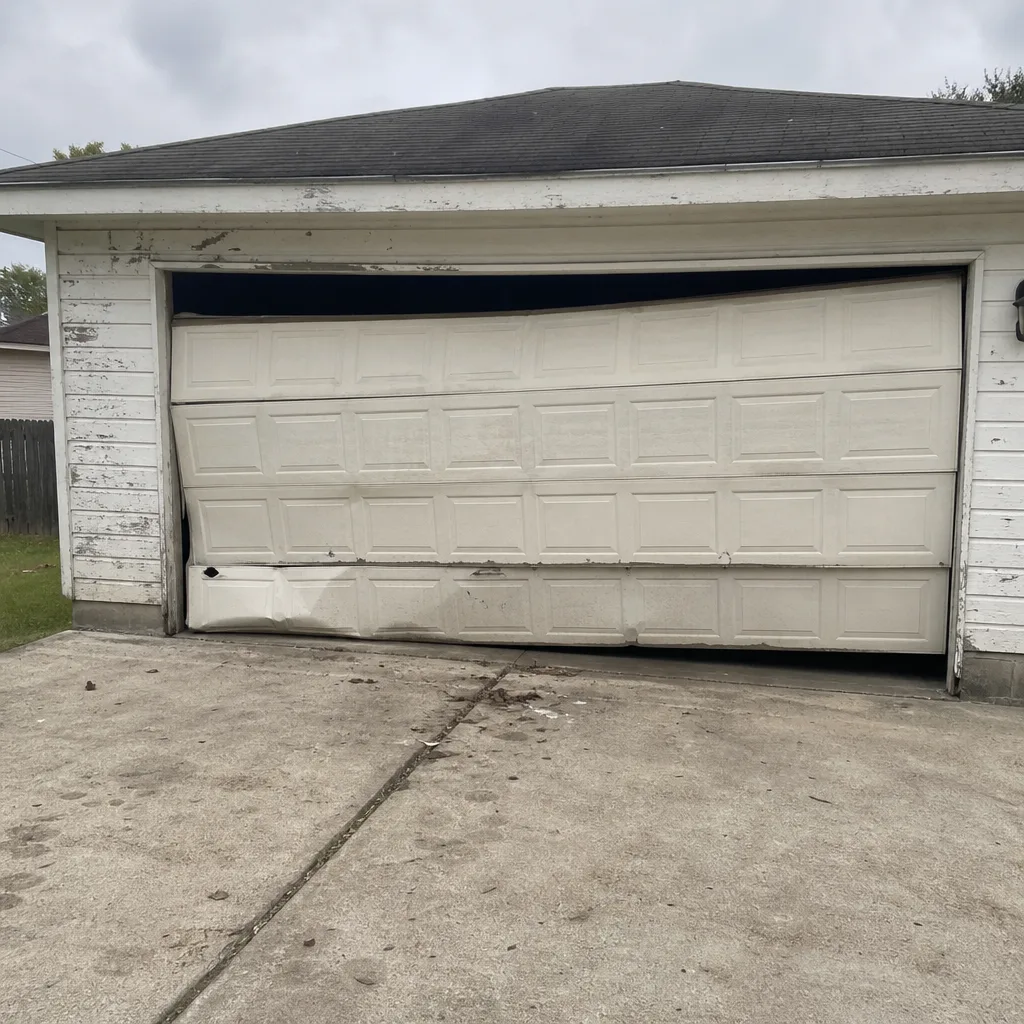 Before
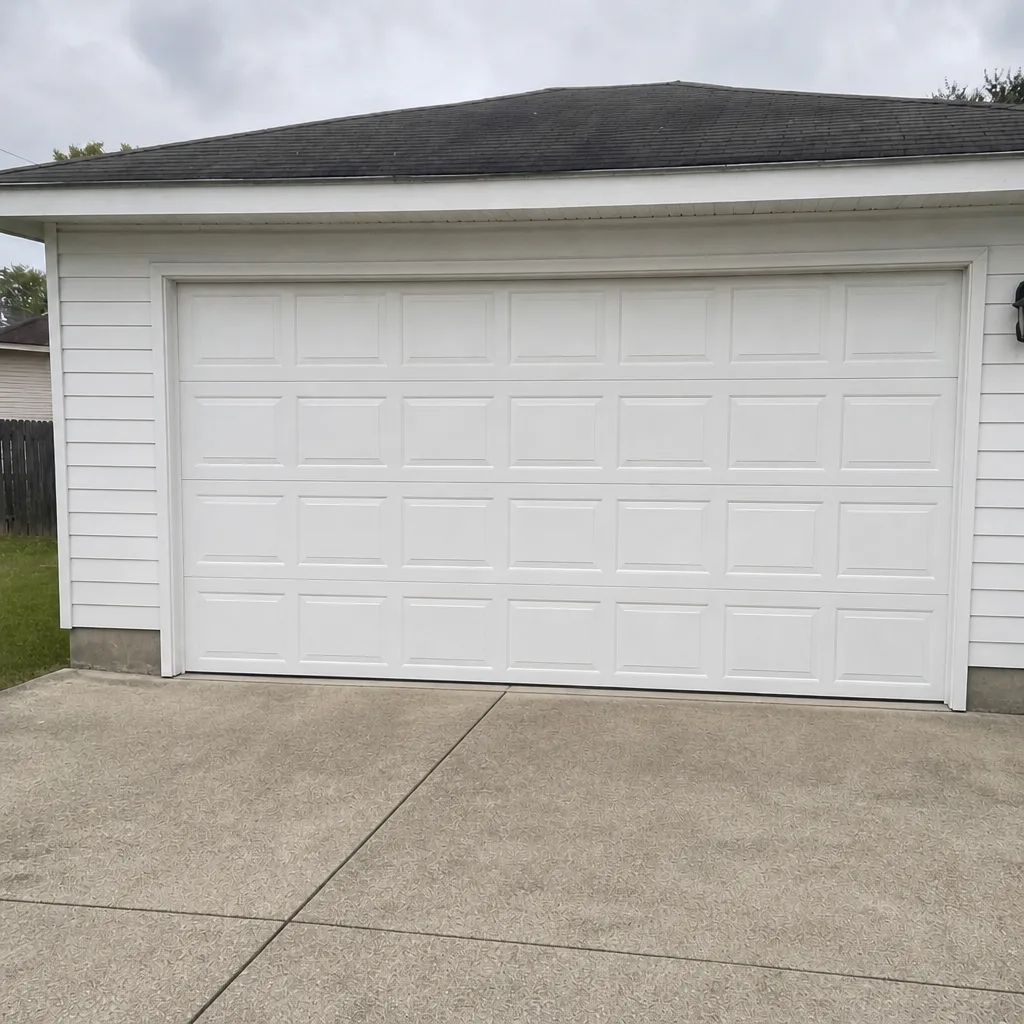 After
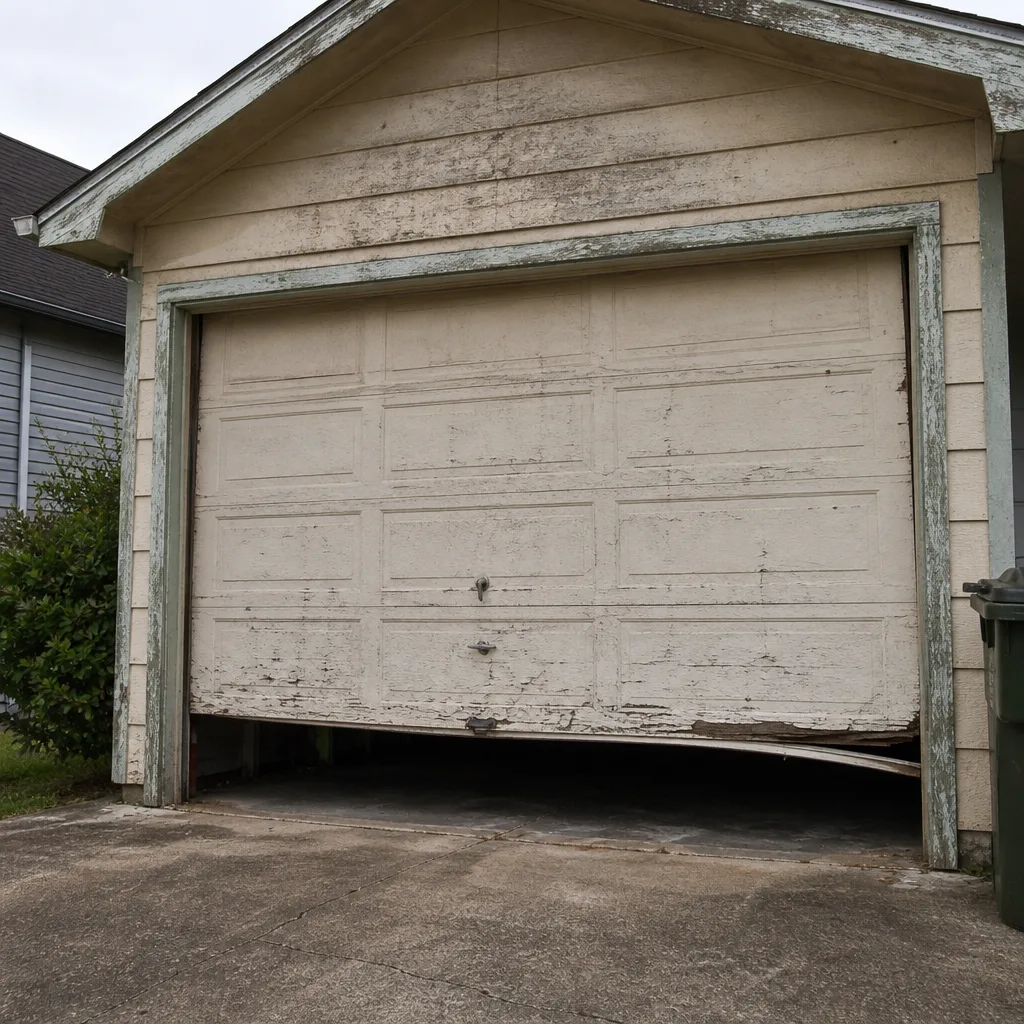 Before
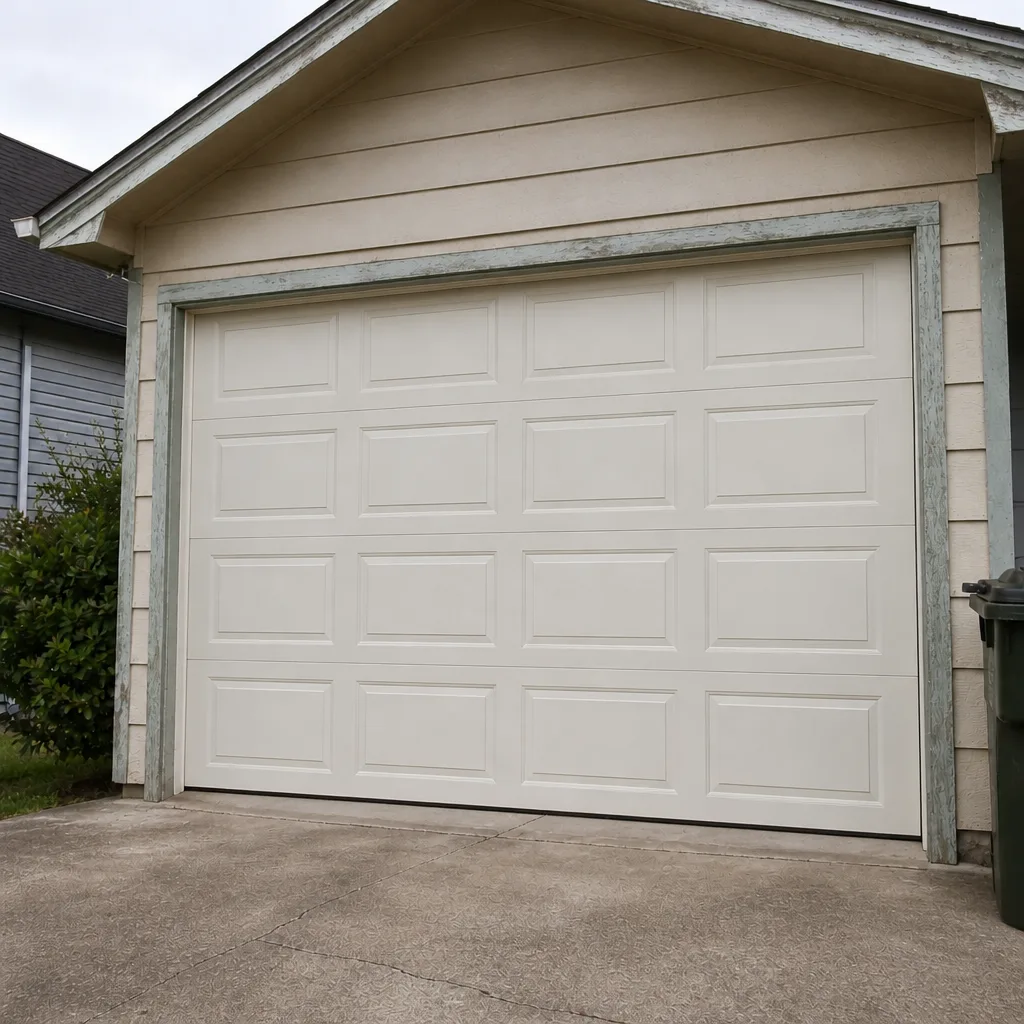 After
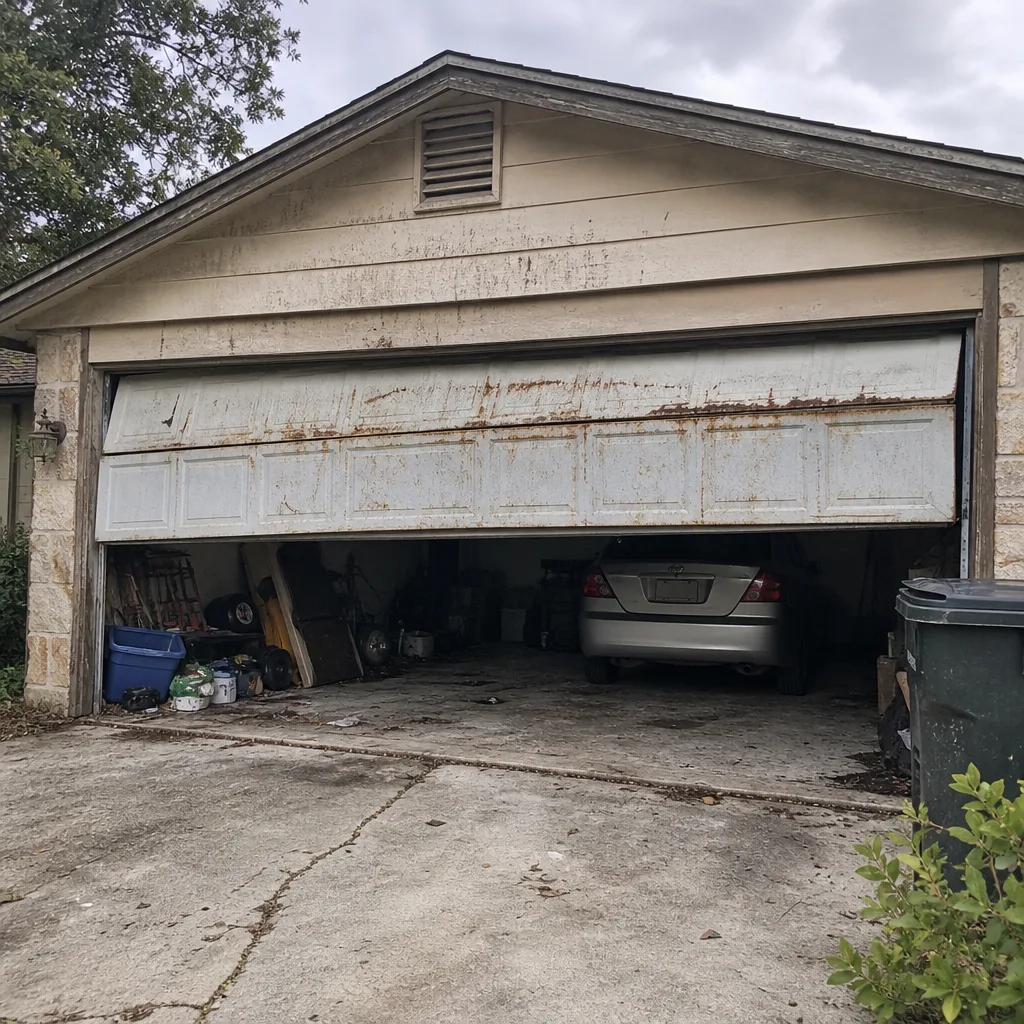 Before
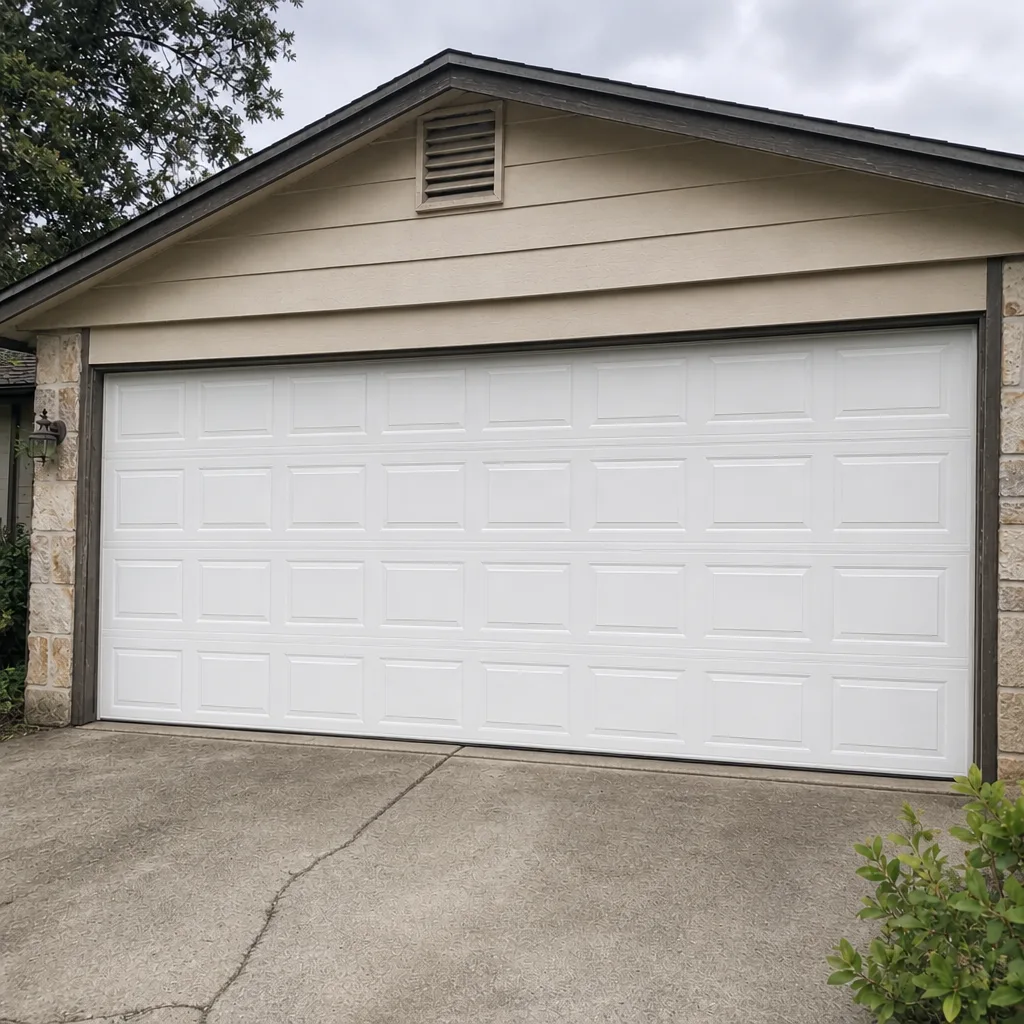 After
When to Call a Professional
Some garage door issues are safe to note and schedule. Others need a trained professional now. The dividing line is tension. Springs, cables, and any component under load are dangerous to touch – high-tension torsion springs and lift cables can cause serious injury when they let go, and homeowner tools are not the right tools for them. If a spring breaks, a cable frays, or the door drops or jams off its tracks, don’t try to work around it: call for help. Same for opener wiring and any electrical issue in the opener circuit – that’s work for a trained technician.
The safer-to-schedule category includes wear on rollers, a noisy door, a slow or inconsistent opener, and panel or seal damage from a minor impact. Those can typically be booked and dealt with before they fail completely. Lantern Garage Door Repair offers free estimates in Beaumont – call (833) 549-9776. We answer 24/7. Fast dispatch from 7am to 7pm, Sunday through Friday. Our technicians have up to 9 years of experience, and we work across the brands that actually get installed in this market.
Frequently Asked Questions
Garage door repair in Beaumont typically runs $150 to $600 depending on the job: a single torsion spring runs $180 to $340, an opener replacement $220 to $450, a panel replacement $250 to $600, and a cable repair $150 to $300. A full door replacement usually lands between $1,400 and $4,200 installed. These are estimates – the written quote sets the final price, and it’s given before any work starts. Call (833) 549-9776 for an exact quote on your door; estimates are free.
Beaumont quotes run higher than national averages for three structural reasons: wind-load requirements on new installations, the added cost of sourcing parts into a smaller regional market, and the labor demand that tightens during and after Gulf storm season. None of these are area markups – they’re real costs in this market. If a quote you’ve received doesn’t explain its number, ask for the breakdown; a specialist will walk you through it. Call (833) 549-9776 for a free estimate.
A single torsion spring repair typically runs $180 to $340. Most technicians replace springs as a matched pair because they wear together, so a pair costs about twice that – plan on $360 to $680 for a pair, depending on size and cycle rating. Springs are high-tension components and should not be handled by homeowners. Call (833) 549-9776 for a free estimate.
The price you’re quoted in writing is the price you pay. If the diagnosis reveals something different from what was described, that’s a conversation to have before work begins – not after. Our standing practice is a clear diagnosis and a plain-language explanation of cost before anyone touches the door, and the written quote is what you approve. Call (833) 549-9776 for a free estimate.
Same-day service is often possible for repair calls in Beaumont. Emergency repairs on a broken spring, a door off its tracks, or a dead opener are usually prioritized. Call (833) 549-9776. We answer 24/7. Fast dispatch from 7am to 7pm, Sunday through Friday. A call outside dispatch hours is booked into the next opening, Sunday through Friday, 7am to 7pm.
Our technicians are licensed and insured, and they work with the equipment brands most commonly installed in Beaumont – LiftMaster, Chamberlain, Genie, Clopay, Amarr, Wayne Dalton, Craftsman, and Raynor. Brand recognition matters on openers especially, where matching the logic system is part of a correct repair. Call (833) 549-9776 for a free estimate.
The Bottom Line
Beaumont garage door pricing isn’t a national average – it’s a local number shaped by wind-load requirements, parts logistics, and storm-season timing. The five most common jobs have realistic ranges you can plan against: $180 to $340 for a single spring, $220 to $450 for an opener, $250 to $600 for a panel, $1,400 to $4,200 for a full door, and $150 to $300 for a cable. Read every quote by its parts and labor lines, ask what’s excluded, confirm the price won’t move after approval, and schedule non-emergency work in the quieter months. That’s what separates a fair number from an inflated one.
Ready to talk through your door? Call Lantern Garage Door Repair at (833) 549-9776 for a free estimate. We answer 24/7. Fast dispatch from 7am to 7pm, Sunday through Friday. We’re dedicated garage door specialists – repair, opener work, and full installation, handled by one team that does only this. Clear diagnosis, no surprises, and a written price before any work begins.
Written by the team at Lantern Garage Door Repair.